

Every Rogationtide, a small band of people in certain English parishes does something that would look, to any passing stranger, completely barmy. They gather at dawn, pick up willow wands, and spend the better part of a day marching along hedgerows, squeezing through gaps in walls, wading across streams, and occasionally whacking small boys against boundary markers. This is beating the bounds, and it has been going on in one form or another for well over a thousand years. I find it one of the most quietly extraordinary traditions that English life still carries.
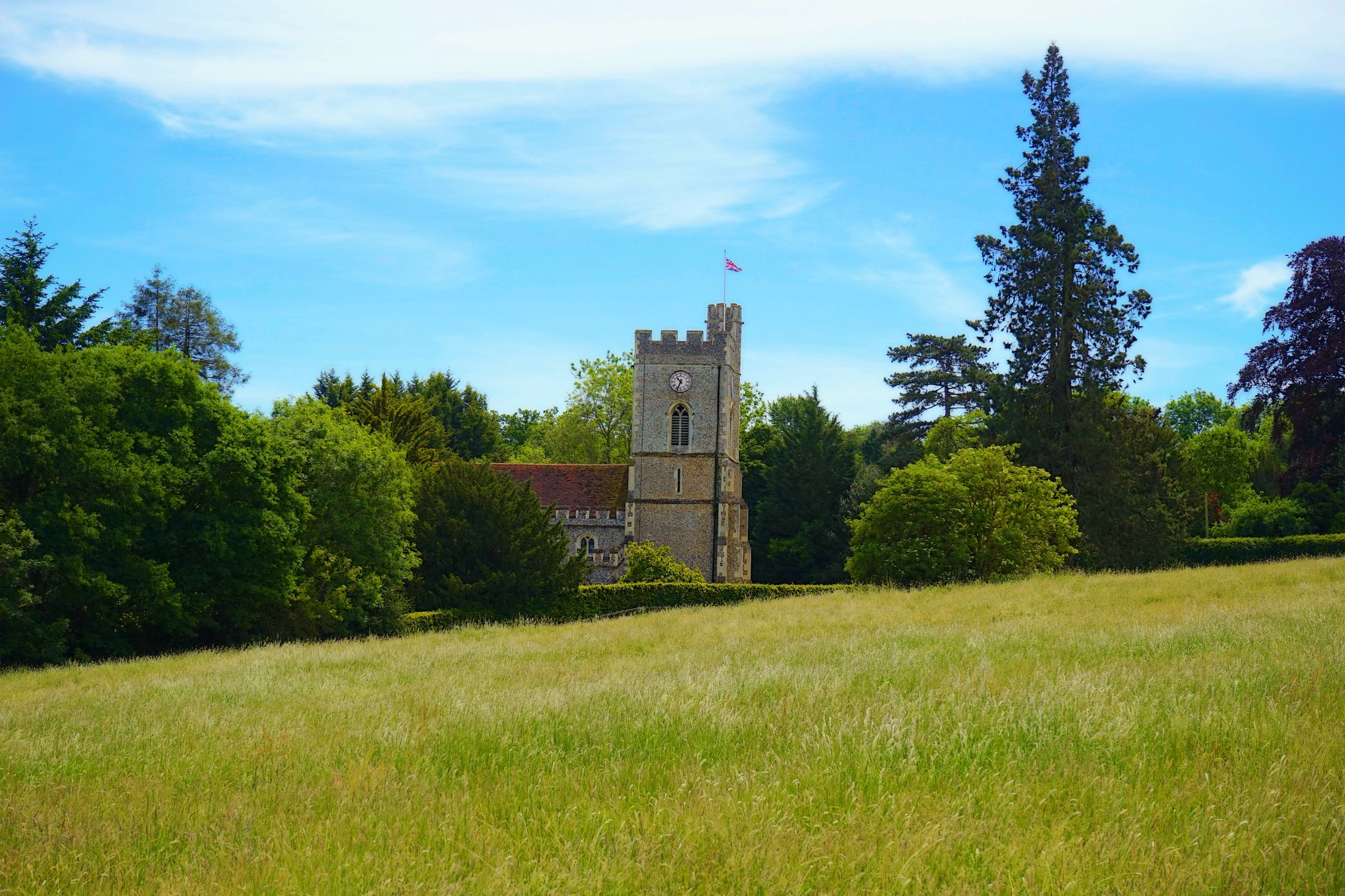
The custom falls on Rogation Sunday and the three days that follow it, in late April or early May, roughly five weeks after Easter. In modern terms, that puts it around the time when the countryside is doing its best to look spectacular. The name comes from the Latin rogare, to ask or to pray, and the official Church of England intent was always to ask God’s blessing on the coming harvest. But the walking of boundaries is older than the Norman church, older even than Christianity’s firm grip on these islands. Pre-Christian communities marked their territories at this time of year, driving away bad spirits and invoking protection for fields before planting season. The Church folded the custom in rather than fight it, as it so often did with things people refused to stop doing.
Why nobody had a map and why it mattered enormously
For most of English history, parish boundaries were not written down anywhere useful. There were no Ordnance Survey sheets, no Google Maps, no title registers that a labourer or a churchwarden could consult. The boundary between your parish and the next one determined where you paid your tithes, where your children would be baptised, where your body would be buried, and crucially, which parish was responsible for you if you fell into poverty and needed poor relief. Getting it wrong was not a bureaucratic inconvenience. It could leave a family destitute or a parish saddled with obligations it disputed.
The solution was the community’s collective memory, refreshed annually by walking. Elderly men who had done the walk a dozen times led the younger ones. Boys were bumped against boundary stones, dunked in streams, or in some parishes turned upside down so their heads touched the marker. The discomfort was deliberate. You would remember, years later, exactly where you had been whacked with a stick or pressed face-first into a hawthorn hedge. That memory was the map. There is something almost elegant about it, in a thoroughly uncomfortable way.
The route, the rituals, and the willow wands
The procession itself varied from parish to parish, but the bones of it stayed the same. The vicar led prayers at key points along the boundary. The churchwardens carried the wands, usually cut from willow or birch, and used them to strike the boundary markers, the ground, gateposts, or anything else that served as an official point on the route. Some parishes blessed the fields as they went. Some stopped at specific houses where a small meal or a cup of something warming was traditionally provided, a custom that the participants of surviving walks have sensibly declined to discontinue.
In some parts of England, the route was anything but straightforward. Parish boundaries were drawn centuries before anyone thought about convenience, and they followed rivers, field edges, ancient tracks, and the occasional entirely mysterious diagonal line across someone’s barn. If a building stood on a boundary, the procession went through it. If a river crossed the route, the procession crossed the river. The churchwardens of the City of London, who still beat their bounds today, have at various points in history been required to wade or row across the Thames because the boundary insists on it. Nobody was allowed the excuse of an inconvenient obstacle.
Where beating the bounds still happens in England
The tradition never died out entirely, though it came close during the enclosures and the upheaval of the industrial era. A good number of parishes quietly let it lapse in the nineteenth century once the tithe system was formalised in writing and the administrative urgency faded. But a heartening handful kept going, and some have revived it in recent decades.
The City of London does it with characteristic pomp. The parishes of St Clement Danes, All Hallows by the Tower, and St Giles Cripplegate have all observed the custom in living memory, with All Hallows being among the most consistent. Tower of London Beefeaters have been involved when the boundary clips the Tower’s walls. In Oxford, the ancient parish of St Michael at the North Gate walks its bounds, and Lichfield Cathedral has a well-documented Rogationtide tradition going back centuries. Out in the countryside, various village churches in Shropshire, Herefordshire, and the Home Counties maintain the walk, sometimes drawing a decent crowd of local walkers who come along more for the ramble than the theology, which I suspect the vicar quietly accepts as fine.
Historic England has documented many of these surviving customs, and the Church of England still includes Rogationtide among its calendar of observances, giving parish clergy the framework to keep the walks going if the local will is there. It is one of those rare cases where ancient ritual and modern bureaucracy have made a kind of peace.
What the bounds looked like on the ground
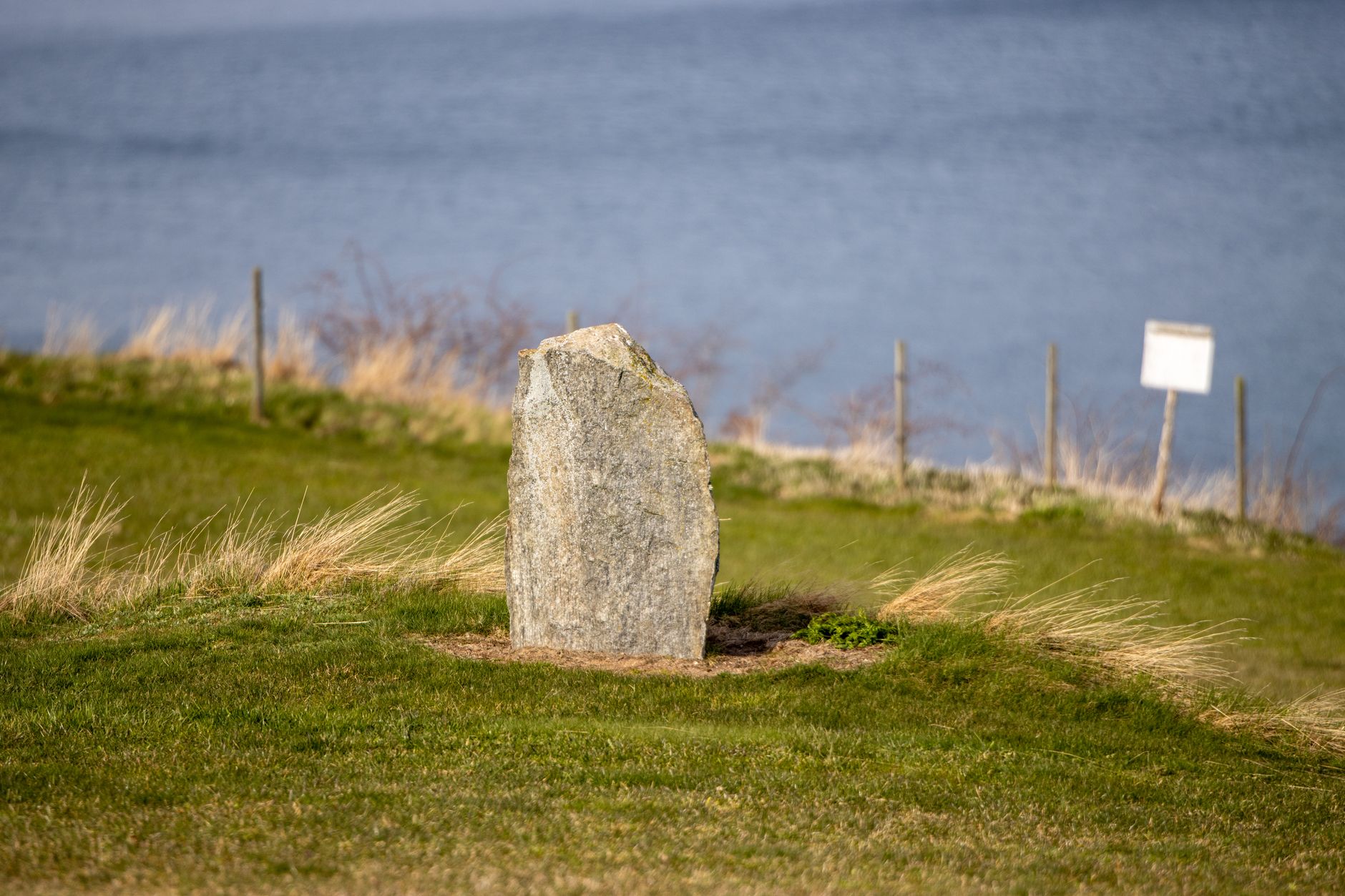
Boundary markers themselves are worth a thought. Some were natural: a particular oak, a stream confluence, a rocky outcrop. Others were carved stones, some of which survive to this day half-buried in verges or embedded in the corners of old walls. A few parishes scratched crosses into them, others carved initials or simply a date. Historians and local archaeologists still find them, and occasionally a parish walk will rediscover a marker that had been lost for a generation.
It is the sort of detective work that has a modern parallel in unexpected places. Just as craftspeople now use Print Shape to produce precise replicas of worn or damaged historical objects, parish historians and heritage volunteers sometimes make accurate copies of old boundary markers when the originals are too fragile to leave exposed to weather. The impulse is the same: preserve the record, keep the knowledge intact, do not let the detail be lost.
The social life of the boundary walk
Rogationtide walks were never purely solemn affairs. By the eighteenth century many of them had acquired a distinctly festive character, with stops at public houses along the route and a parish dinner at the end. In parishes where the bounds took a full day to walk, which was common in large rural areas, the occasion became something of an annual outing, the kind of communal day out that working-class communities across industrial England would eventually formalise into wakes weeks and works outings. The walking of bounds was, in its own way, one of England’s earliest excuses for a collective day off with a good reason attached.
There was also a clear social function beyond the practical one. The walk brought together people from across the parish, the gentry and the labourer, the blacksmith and the churchwarden, all following the same route, stopping at the same stones. Before the era of town criers and public notices, it was one of the mechanisms by which shared knowledge was maintained and community identity was literally walked into existence. You knew your parish because you had marched its edge.
Why it still matters now
I have never beaten the bounds myself, though I would happily join a parish that still does it. There is something worth holding onto in the idea that knowledge of place does not have to come from a screen or a database. The parishes that still walk their boundaries are doing something the ancient ones did not intend as heritage activity; they intended it as basic civic maintenance. The fact that it now counts as heritage is perhaps a sign of how much we have outsourced to documents and digital records what communities once carried in their feet and their memories.
England still has a fair number of these surviving rituals, though they take some finding. Alongside beating the bounds, you can find court leet proceedings in a handful of manors, rush-bearing ceremonies in the north, and various other customs that somehow escaped the great rationalist broom of the Victorian era. They are not quaint for quaintness’s sake. They are the residue of genuinely functional traditions that outlasted their original purpose by being pleasant enough, or communal enough, or meaningful enough that nobody quite got round to stopping them. Long may that continue.
Frequently Asked Questions
What is beating the bounds?
Beating the bounds is an English custom, traditionally observed at Rogationtide, in which parishioners walk the perimeter of their parish boundary, striking boundary markers with willow wands and pausing for prayers. It served as a way of recording and reinforcing communal knowledge of parish limits before official maps existed.
When does beating the bounds take place?
It takes place at Rogationtide, which falls on Rogation Sunday and the three following days, roughly five weeks after Easter. In practice this usually means late April or early May, though the exact date shifts with Easter each year.
Which parishes still beat the bounds today?
Several English parishes still observe the custom, including All Hallows by the Tower in the City of London, St Michael at the North Gate in Oxford, and various rural churches in Shropshire, Herefordshire, and the Home Counties. The City of London parishes are among the most consistently documented.
Why were boys bumped against boundary stones during the walk?
The physical discomfort was deliberate. In an era before written records were accessible to ordinary people, the idea was that a boy who had been pressed against or struck near a boundary marker would remember that exact spot vividly for the rest of his life, effectively making him a living record of the boundary’s location.


Leave a Reply