Category: News

  • Britain’s Lost Industrial Heritage: Why We Should Never Forget Our Manufacturing Roots

    Britain’s Lost Industrial Heritage: Why We Should Never Forget Our Manufacturing Roots

    There is something deeply stirring about the remains of a Victorian ironworks or the skeleton of a Lancashire cotton mill standing stubborn against a grey northern sky. British industrial heritage is not just bricks and mortar; it is the DNA of a nation that once hammered, spun, smelted, and riveted its way to becoming the workshop of the world. And yet, for decades, we have been dismantling, demolishing, and forgetting these extraordinary places at an alarming rate.

    From the Derwent Valley Mills in Derbyshire to the Black Country Living Museum in Dudley, the physical remnants of Britain’s industrial past tell stories that no classroom lesson ever quite captures. The smells, the scale, the sheer noise of it all, these were places where ordinary men, women, and children bent their backs to produce goods that travelled to every corner of the globe. Losing that story is not just a shame. It is a cultural catastrophe.

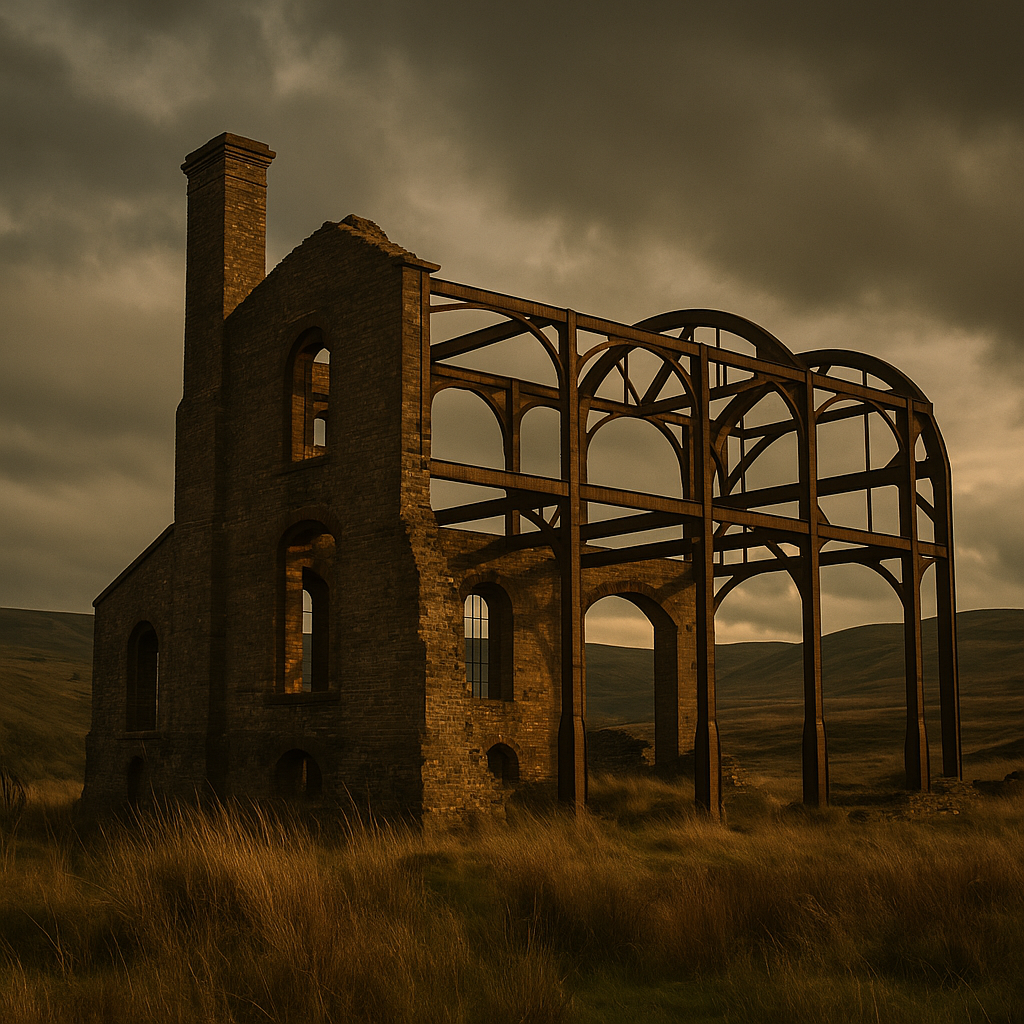
    Ruined Victorian ironworks in northern England representing the scale of British industrial heritage
    Ruined Victorian ironworks in northern England representing the scale of British industrial heritage

    What Made Britain the World’s First Industrial Nation?

    It is a question historians have been chewing over for a couple of centuries, but the short answer is a brilliant, slightly chaotic mix of geography, geology, and gumption. Britain sat on enormous reserves of coal and iron ore, had navigable rivers and a coastline ideal for trade, and possessed a legal and financial system that, by the standards of the 18th century, was relatively open to innovation and entrepreneurship. The result was the Industrial Revolution, which kicked off in earnest in the 1760s and transformed not just Britain but the entire planet.

    Spinning jennies, steam engines, puddling furnaces, blast furnaces, power looms. Each invention cascaded into the next, and the towns that grew up around them, Manchester, Birmingham, Sheffield, Leeds, became bywords for industry and graft. Sheffield, in particular, became synonymous with steel and metalworking of every conceivable kind. Cutlery, tools, railway tracks, even the precision components used by craftsmen operating specialist equipment like notching machines in metal fabrication workshops owe a lineage to Sheffield’s centuries of steelworking tradition.

    The Great Forgetting: How Britain Lost Touch with Its Industrial Identity

    The post-war decades were not kind to Britain’s industrial heartlands. Deindustrialisation accelerated through the 1970s and 1980s, and entire communities built around single industries, coal mining, shipbuilding, steelmaking, found themselves suddenly without purpose or income. The human cost was immense and well-documented. But alongside the social devastation came something quieter and equally tragic: the physical erasure of the places where all that work had happened.

    Factories were flattened for retail parks. Canals were filled in. Engine houses were left to crumble. There were exceptions, of course. The Ironbridge Gorge in Shropshire, widely regarded as the birthplace of the Industrial Revolution, received UNESCO World Heritage status in 1986 and has been lovingly preserved. The Beamish Museum in County Durham recreates life in the industrial north with a thoroughness that leaves visitors genuinely moved. But these are the lucky ones.

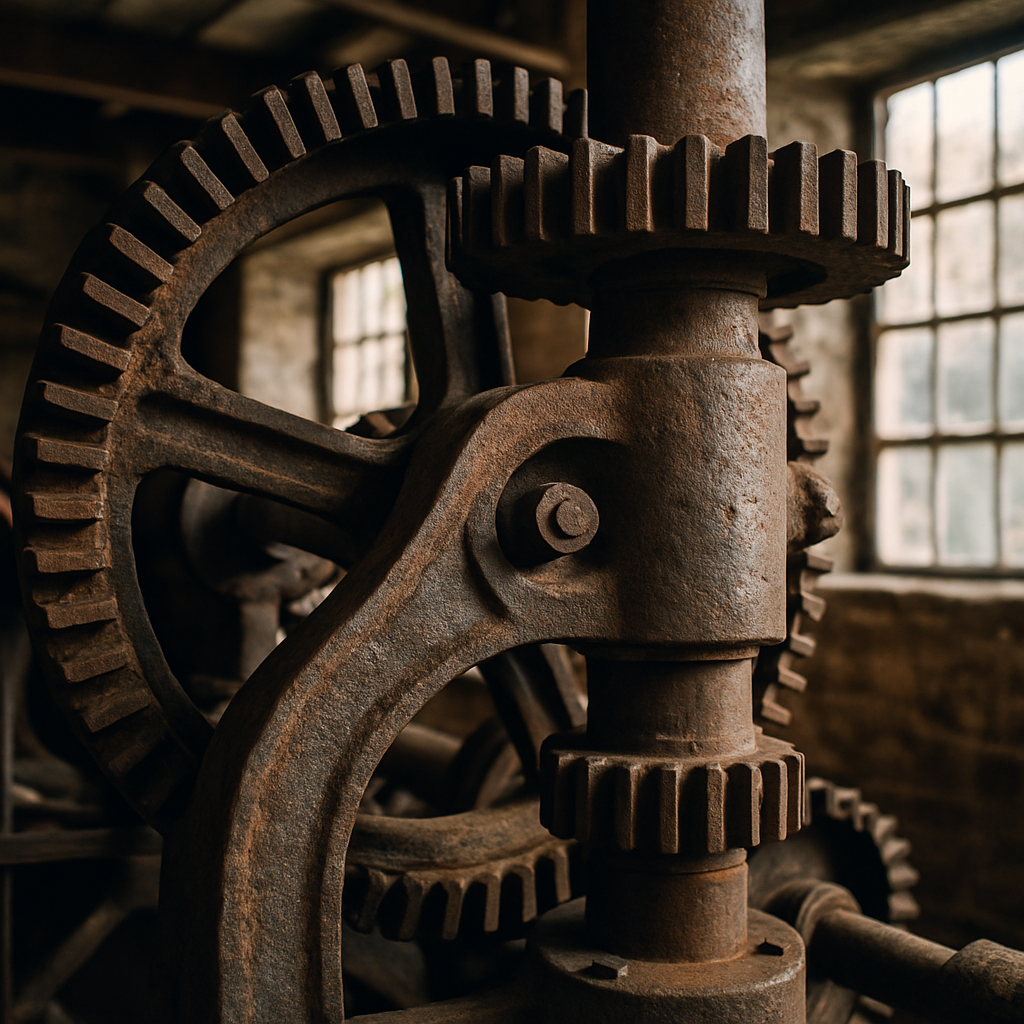
    Close-up of preserved cast iron machinery highlighting the craftsmanship of British industrial heritage
    Close-up of preserved cast iron machinery highlighting the craftsmanship of British industrial heritage

    Why British Industrial Heritage Matters More Than Ever in 2026

    There is a growing movement, particularly among younger generations, to reconnect with what Britain actually made and how it was made. Heritage railways are reporting record visitor numbers. Industrial museums are expanding their collections and their audiences. Social media has given new life to urban exploration, with photographers documenting decaying mills and foundries that would otherwise vanish without record.

    This renewed interest in British industrial heritage is not mere nostalgia, although there is nothing wrong with a healthy dose of that. It is also about identity. Understanding where your nation came from, what it sacrificed, what it built, gives you a firmer footing for thinking about where it should go next. A country that forgets its foundries and its forges is a country that has lost part of its story.

    There is also a practical argument. Many of the skills developed in Britain’s industrial workshops, precision engineering, pattern-making, forge work, are still desperately needed. The gap between the heritage trades and the modern economy is narrower than most people assume. Apprenticeships in metalworking, engineering, and fabrication are making a comeback, partly because demand has never gone away and partly because people are waking up to the fact that making things is genuinely satisfying work.

    The Heritage Sites You Really Should Visit

    If you have not yet made the pilgrimage to some of Britain’s great industrial heritage sites, consider this your nudge. The Black Country Living Museum near Dudley is an absolute corker, an open-air museum that recreates a 1900s industrial community with such commitment that you half expect someone to offer you a job at the chain shop. Ironbridge Gorge is magnificent in all seasons, particularly in autumn when the surrounding Shropshire hills turn golden and the old blast furnace ruins feel properly atmospheric.

    Further north, the National Coal Mining Museum for England at Overton near Wakefield takes visitors underground on a genuine mine tour. It is not for the faint-hearted, but it is extraordinary. In Saltaire, near Bradford, Sir Titus Salt’s extraordinary model mill town remains almost entirely intact and is another UNESCO World Heritage Site. The Piece Hall in Halifax, a remarkable 18th-century cloth trading hall, has been beautifully restored and now hosts markets, concerts, and exhibitions throughout the year.

    Preserving British Industrial Heritage for Future Generations

    The organisations doing the heavy lifting here deserve enormous credit. Historic England, the Ironbridge Institute, the Canal and River Trust, and dozens of local heritage trusts are working against tight budgets and the relentless pressure of development to keep these places standing and accessible. Volunteering with a local industrial heritage group is one of the most rewarding things you can do if you want to get hands-on with history.

    Ultimately, British industrial heritage is not a museum piece. It is a living, breathing part of who we are as a nation. The soot might have settled, the furnaces gone cold, and the looms fallen silent, but the ingenuity, the community spirit, and the sheer bloody-minded determination that built these places are qualities Britain has never entirely lost. The least we can do is remember where they came from.

    Frequently Asked Questions

    What is British industrial heritage?

    British industrial heritage refers to the physical, cultural, and social legacy of Britain’s Industrial Revolution, including surviving mills, factories, foundries, canals, railways, and the communities built around them. It encompasses both preserved sites and the traditions, skills, and stories associated with Britain’s manufacturing past.

    Where are the best industrial heritage sites to visit in Britain?

    Some of the finest include the Ironbridge Gorge in Shropshire (a UNESCO World Heritage Site), the Black Country Living Museum in Dudley, Beamish Museum in County Durham, the National Coal Mining Museum near Wakefield, and Saltaire in West Yorkshire. Each offers a distinct and genuinely immersive experience of Britain’s industrial history.

    Why did Britain's industrial areas decline?

    Deindustrialisation from the 1970s onwards, driven by cheaper overseas competition, changing energy policies, and broader economic shifts, led to the closure of mines, steelworks, textile mills, and shipyards across Britain. The process accelerated dramatically during the 1980s, devastating many communities in the Midlands, the North of England, Scotland, and Wales.

    Are British industrial heritage sites free to visit?

    Entry costs vary considerably. Some sites, like parts of Ironbridge Gorge, charge admission, while others offer free access to outdoor areas with paid entry to specific museums. Many local heritage railways and canal restoration projects operate on a voluntary basis and welcome donations. It is always worth checking individual sites before visiting, as pricing changes seasonally.

    How can I get involved in preserving British industrial heritage?

    You can volunteer with organisations like the Canal and River Trust, local heritage railways, or historic mill restoration projects. Historic England also runs community heritage programmes, and many regional industrial museums actively recruit volunteers for guided tours, conservation work, and archiving. Even supporting these sites financially through memberships or visits makes a meaningful difference.

  • Britain’s Most Beloved Local Traditions That Are Making a Comeback

    Britain’s Most Beloved Local Traditions That Are Making a Comeback

    There’s something gloriously, stubbornly British about a group of grown adults chasing a wheel of cheese down a near-vertical hill, or a bloke in a top hat officiating a village pancake race with the gravitas of a Supreme Court judge. British local traditions have always been a bit bonkers, a bit brilliant, and absolutely worth preserving – and it seems the rest of the country has finally caught on.

    Why British Local Traditions Are Having a Proper Moment

    After years of everything going increasingly digital and homogenised, people are craving something real. Something muddy. Something that involves a brass band and a suspicious amount of warm ale. Communities across England, Scotland, Wales and Northern Ireland are dusting off their maypoles, sharpening their Morris dancing sticks, and reclaiming the daft, wonderful customs that make this island so endearingly unique.

    It’s not just nostalgia either – though there’s nowt wrong with a good dose of that. Younger generations are genuinely getting stuck in. You’ll find twenty-somethings at bog snorkelling championships in Wales, teenagers competing in the annual Stilton cheese rolling in Cambridgeshire, and university students joining their local Mummers plays with alarming enthusiasm. Blinding, really.

    The Traditions Leading the Charge

    Cheese Rolling at Cooper’s Hill

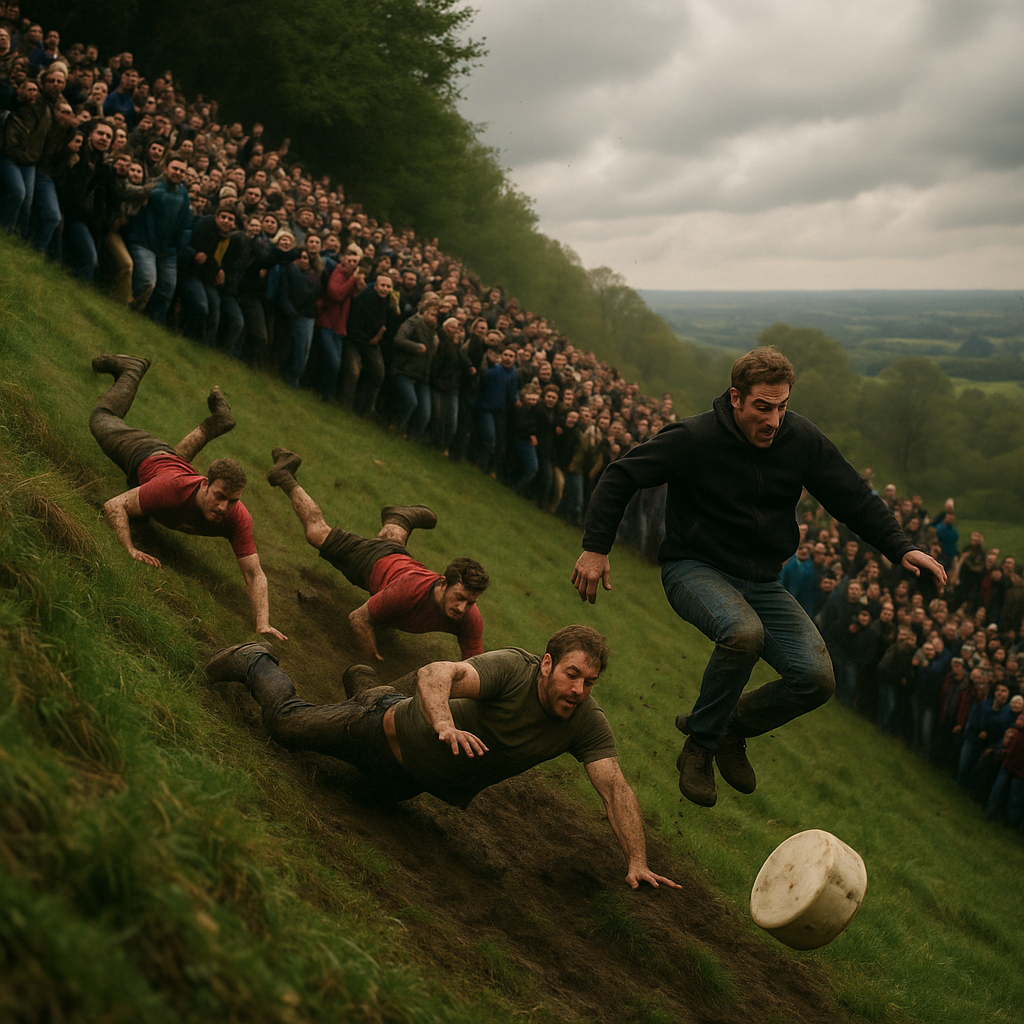
    Few things sum up the British spirit quite like sprinting headfirst down a dangerously steep Gloucestershire hillside after a Double Gloucester. Cooper’s Hill Cheese-Rolling has attracted global attention, and rightly so. It’s been running for centuries, was briefly cancelled, and came roaring back because – well – you can’t keep a good cheese down.

    Morris Dancing

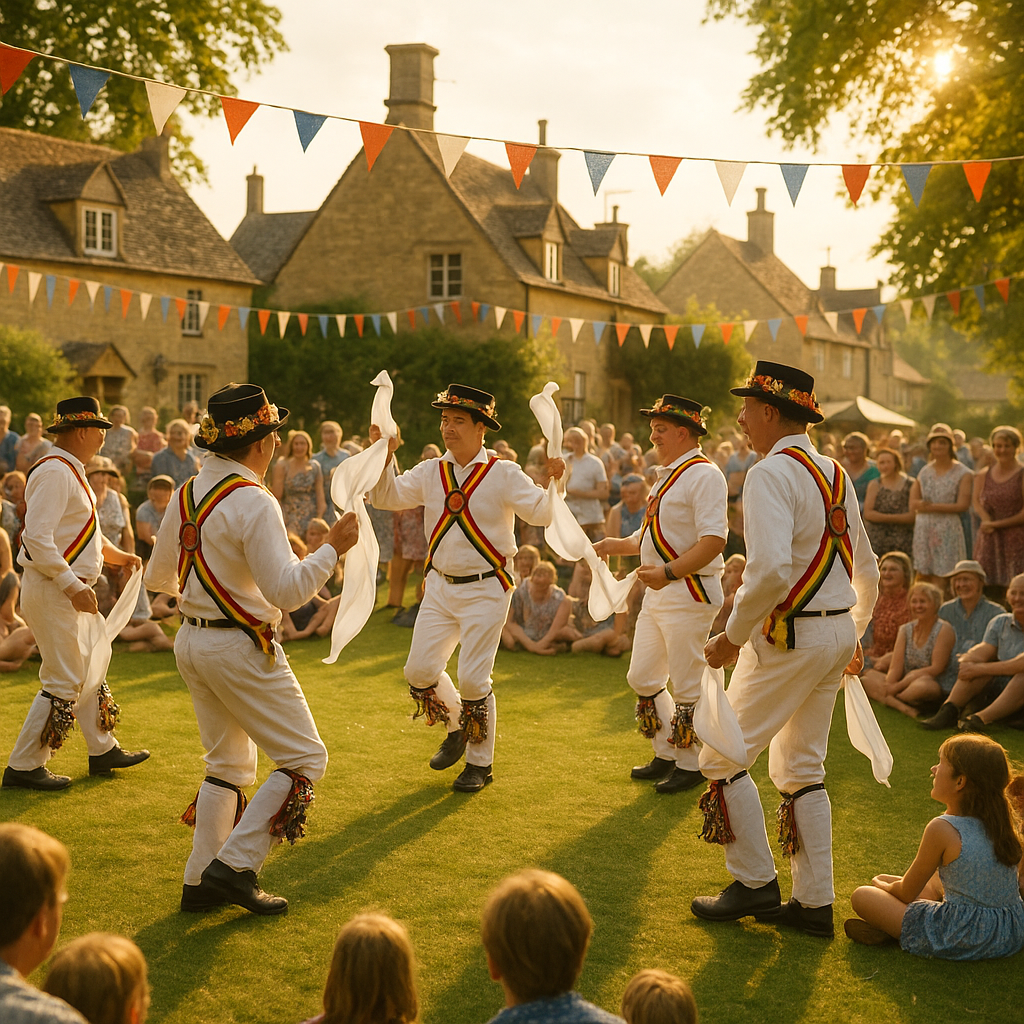
    Once considered the preserve of your eccentric uncle, Morris dancing has seen a genuine resurgence. New sides (that’s the proper term for a Morris group, since you ask) are springing up in cities and market towns alike. The bells, the handkerchiefs, the rhythmic thwacking of sticks – it’s all very therapeutic, apparently.

    Well Dressing in Derbyshire

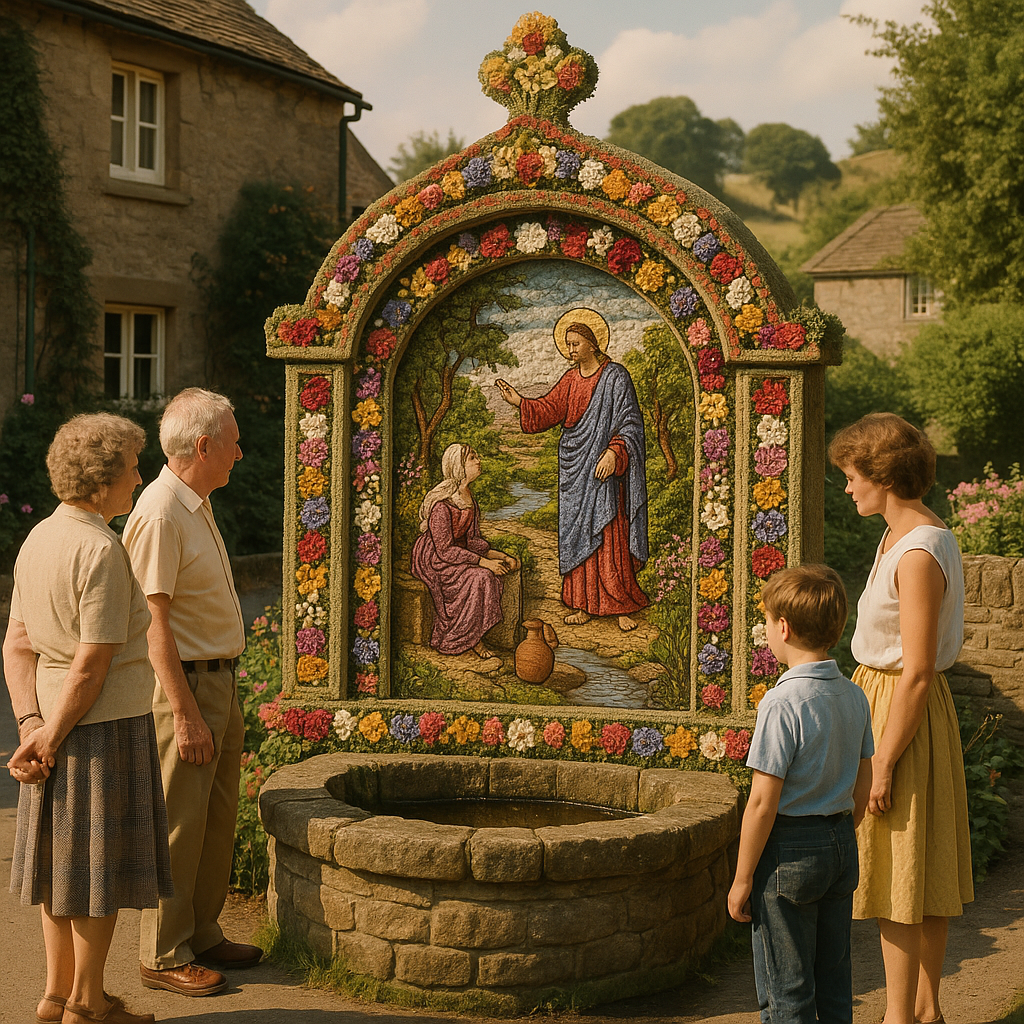
    Villages across the Peak District spend weeks creating intricate floral pictures pressed into clay panels to decorate their water sources. It’s painstaking, beautiful, and utterly Derbyshire. Visitor numbers have climbed steadily as people look for authentic, locally rooted experiences rather than another identikit high street.

    The Role of Community in Keeping Traditions Alive

    What ties all of these British local traditions together is community. These events don’t survive by accident – they survive because people care enough to show up, volunteer, fundraise and occasionally make absolute fools of themselves for the greater good. Local councils, village halls and passionate individuals are the unsung heroes here.

    Getting the word out matters too. Smart communities are now using social media and local PR strategies to reach new audiences and attract visitors who’d never have stumbled across a well dressing or a tar barrel rolling otherwise. It’s old meets new, and it works a treat.

    Why These Traditions Matter More Than Ever

    In an age of endless scrolling and algorithmic everything, British local traditions offer something genuinely irreplaceable – a sense of place, of belonging, of shared daftness. They connect us to our ancestors, to our neighbours, and to the particular patch of ground we call home.

    Whether you’re a lifelong participant or someone who stumbled upon a Maypole on a Sunday walk and thought “go on then”, these traditions deserve your support. Get involved. Turn up. Wear the hat. Roll the cheese. Britain’s best customs are alive and kicking – and they’re better for having you in them.

    Spectators watching cheese rolling as part of British local traditions on a Gloucestershire hillside
    Ornate well dressing display representing British local traditions in a Derbyshire Peak District village

    British local traditions FAQs

  • Why Your Emails Keep Ending Up in the Bin (And How to Sort It Out)

    Why Your Emails Keep Ending Up in the Bin (And How to Sort It Out)

    Right, let’s have a proper chat about something that’s been doing people’s heads in for years – email deliverability. You’ve spent ages crafting the perfect message, hit send with a satisfied cuppa in hand, and then… nothing. Tumbleweeds. Turns out your email never made it past the spam filter and is sitting in someone’s junk folder next to a dodgy offer for a Nigerian prince’s fortune. Lovely.

    What Even Is Email Deliverability?

    In plain English, email deliverability is the ability of your emails to actually land in someone’s inbox rather than getting binned by spam filters before the recipient so much as claps eyes on it. It’s not just about hitting send – it’s about whether your message completes the journey. Think of it like posting a letter. You can write the best letter in Britain, but if the address is dodgy or the postman doesn’t trust you, it’s going straight in the skip.

    For businesses, charities, newsletters, and anyone who relies on email to keep in touch, poor email deliverability is a proper nightmare. You could be losing customers, missing important conversations, or looking like you’ve gone completely silent – all without realising it.

    Why Do Emails End Up in Spam?

    There are a fair few reasons your emails might be getting the cold shoulder from inboxes across the land. Here’s the main culprits:

    • Dodgy sender reputation – If your domain or IP address has been flagged before, mail servers will treat you like a suspicious bloke loitering outside a chip shop.
    • Spammy subject lines – All caps, excessive exclamation marks, or words like “FREE!!!” are red flags that’ll get you filtered faster than you can say “British Rail delay”.
    • No authentication records – Things like SPF, DKIM, and DMARC are technical settings that prove to mail servers you are who you say you are. Without them, you’re just some random, aren’t you.
    • High bounce rates – Sending to old or invalid addresses tanks your reputation quicker than a soggy biscuit.
    • Poor engagement – If people consistently ignore or delete your emails, mail providers take note and start routing you to spam automatically.

    How to Check and Improve Your Email Deliverability

    The good news is there are practical steps you can take to get your email deliverability back on track and stop your messages getting ghosted. First, clean up your mailing list regularly – remove bounced addresses and inactive subscribers. It’s a bit like having a proper tidy of the kitchen junk drawer. You’ll feel better for it.

    Next, make sure your technical authentication is set up properly. Your hosting provider or IT person can help you configure SPF, DKIM, and DMARC records. It sounds technical, but it’s genuinely one of the most effective things you can do.

    Tools like Mail Tester can be cracking useful here – they let you test your emails before you send them out to the masses, scoring your setup and flagging any issues that might cause your message to get lost in the ether. Worth a look if you’re serious about getting into people’s inboxes.

    Also, keep your content relevant and engaging. If subscribers actually want to read what you’re sending, they’ll open it, and that positive engagement signals to mail providers that you’re the real deal – not some spammer flogging knock-off biscuit tins.

    A Quick Word on Consistency

    Email deliverability isn’t a one-time fix – it’s an ongoing effort, much like maintaining a classic British garden. You can’t plant the roses and then ignore them. Send consistently, monitor your open rates, and keep an eye on any bounce or complaint notifications. The more trustworthy your sending habits, the better your reputation over time.

    Bottom line – don’t let your carefully written emails gather digital dust in someone’s spam folder. A bit of housekeeping and the right tools can make a massive difference, and your inbox response rate will thank you for it.

    British red postbox overflowing with letters symbolising email deliverability problems
    Happy British office worker celebrating improved email deliverability at a retro desk

    Email deliverability FAQs

    What is the main cause of poor email deliverability?

    The most common causes include a poor sender reputation, missing email authentication records such as SPF and DKIM, spammy subject lines, and high bounce rates from invalid addresses. Sorting out your technical setup and keeping your mailing list clean are the best starting points.

    How can I test my email deliverability before sending a campaign?

    There are online tools designed specifically for this purpose that analyse your email setup and flag potential issues before you send. They check things like authentication, spam score, and content problems, giving you a chance to fix anything dodgy beforehand.

    Does the size of my mailing list affect email deliverability?

    Not directly, but the quality of your list absolutely does. A large list full of inactive or invalid addresses will harm your sender reputation over time. It’s far better to have a smaller, engaged audience than thousands of contacts who never open your emails.

  • Should the UK Reopen Its Coal Mines? A Proper British Debate

    Should the UK Reopen Its Coal Mines? A Proper British Debate

    The question of whether we should reopen UK coal mines is one that gets people proper fired up – from ex-miners in South Yorkshire to green campaigners in Brighton. It’s a debate packed with nostalgia, economics, and a fair dollop of national identity. So let’s have a good rummage through it, shall we?

    A Brief History of British Coal

    Britain basically built the Industrial Revolution on the back of coal. For centuries, mining communities across Wales, Yorkshire, Durham, Scotland, and the Midlands were the beating heart of this nation. Pit villages had their own culture, their own pride, and frankly, their own language. Then came the 1980s, the miners’ strikes, the pit closures, and the slow, painful unravelling of an entire way of life. By the time the last deep coal mine – Kellingley Colliery in North Yorkshire – shut up shop in 2015, it felt like the end of a very long and complicated chapter.

    Why Some People Want to Reopen UK Coal Mines

    It might sound daft at first, but there are genuine arguments being made for bringing British mining back. The biggest one is energy security. When global gas prices go haywire and we’re relying on imports from countries that are, shall we say, a bit unreliable, having domestic energy sources starts to look rather sensible. Coking coal – the type used in steel production – is still imported in large quantities, and some argue that producing it domestically would be far more efficient and far less carbon-intensive than shipping it halfway around the world.

    There’s also the economic angle. Former mining towns have never truly recovered. Unemployment, deprivation, and a sense of being left behind have plagued these communities for decades. The idea of bringing jobs back – real, skilled, well-paid jobs – carries enormous emotional and political weight.

    The Arguments Against Reopening Mines

    Now, before you go dusting off your hard hat, there are some rather significant problems with the whole idea. Britain has made legally binding commitments to reach net zero carbon emissions. Coal is, unfortunately, about as clean as a muddy whippet after a rainstorm. Burning it pumps out enormous amounts of CO2, and even the most optimistic assessments of carbon capture technology admit it’s not yet ready to make coal viable at scale.

    Investors are also pretty reluctant to back new mining ventures in the UK. The financial case is shaky, the regulatory hurdles are mountainous, and the public mood – particularly among younger generations – is firmly against it. The 2022 planning saga around the Whitehaven coalmine in Cumbria showed just how divisive and drawn-out these decisions can be.

    Is There a Middle Ground?

    Some experts suggest a nuanced approach – focusing specifically on coking coal for industrial use rather than energy generation, and coupling any extraction with serious investment in carbon capture. Others argue the money would be far better spent retraining former mining communities for green energy roles – wind turbine technicians, solar installers, and the like.

    There’s also a strong case for simply being honest with those communities. The jobs lost in the 1980s were never properly replaced, and any serious conversation about whether to reopen UK coal mines has to start by acknowledging that failure.

    So, What’s the Verdict?

    Straight answer? It’s complicated, innit. The romantic in all of us might fancy the idea of those pit wheels turning again, but the practical realities – climate targets, economics, and global energy trends – make a full-scale coal revival look like a very long shot. That said, the debate is far from over, and the communities at the centre of it deserve far better than to be ignored yet again.

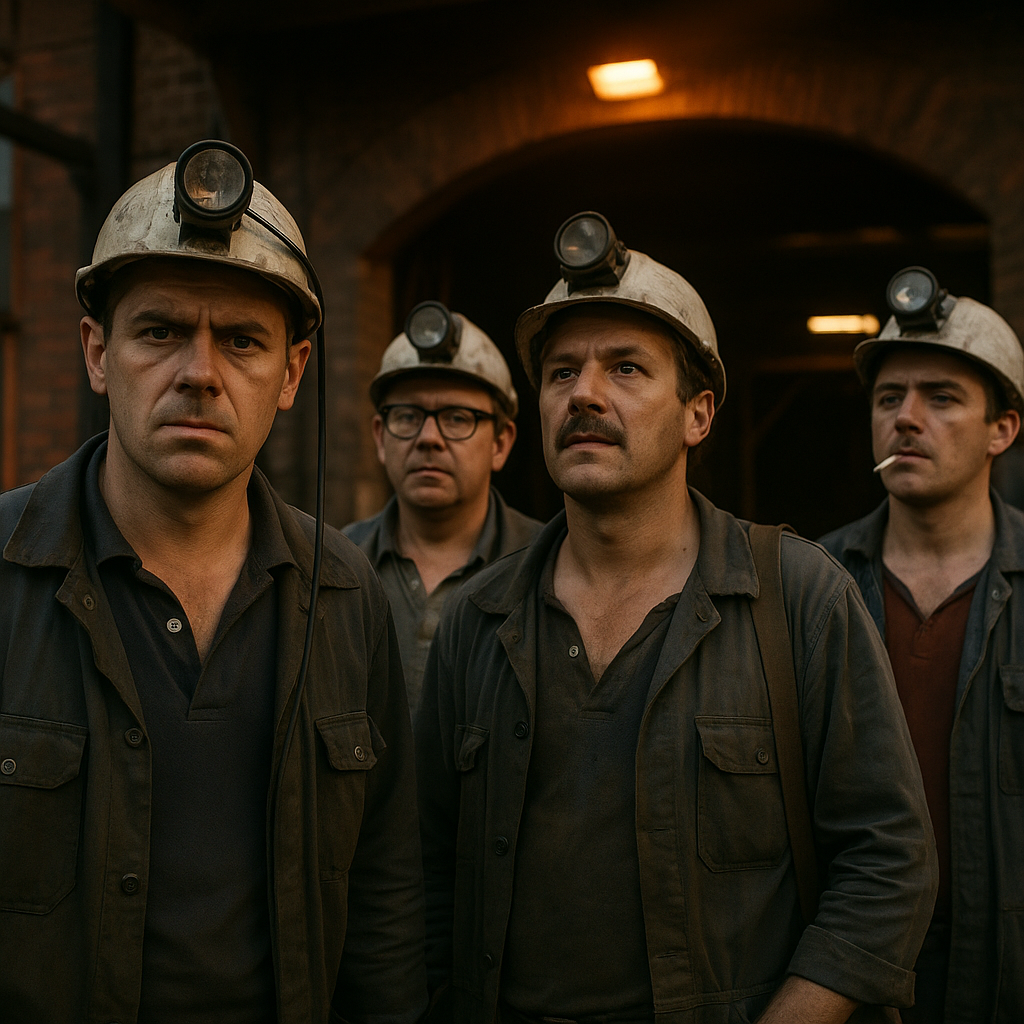
    British miners outside a colliery entrance in the debate over whether to reopen UK coal mines
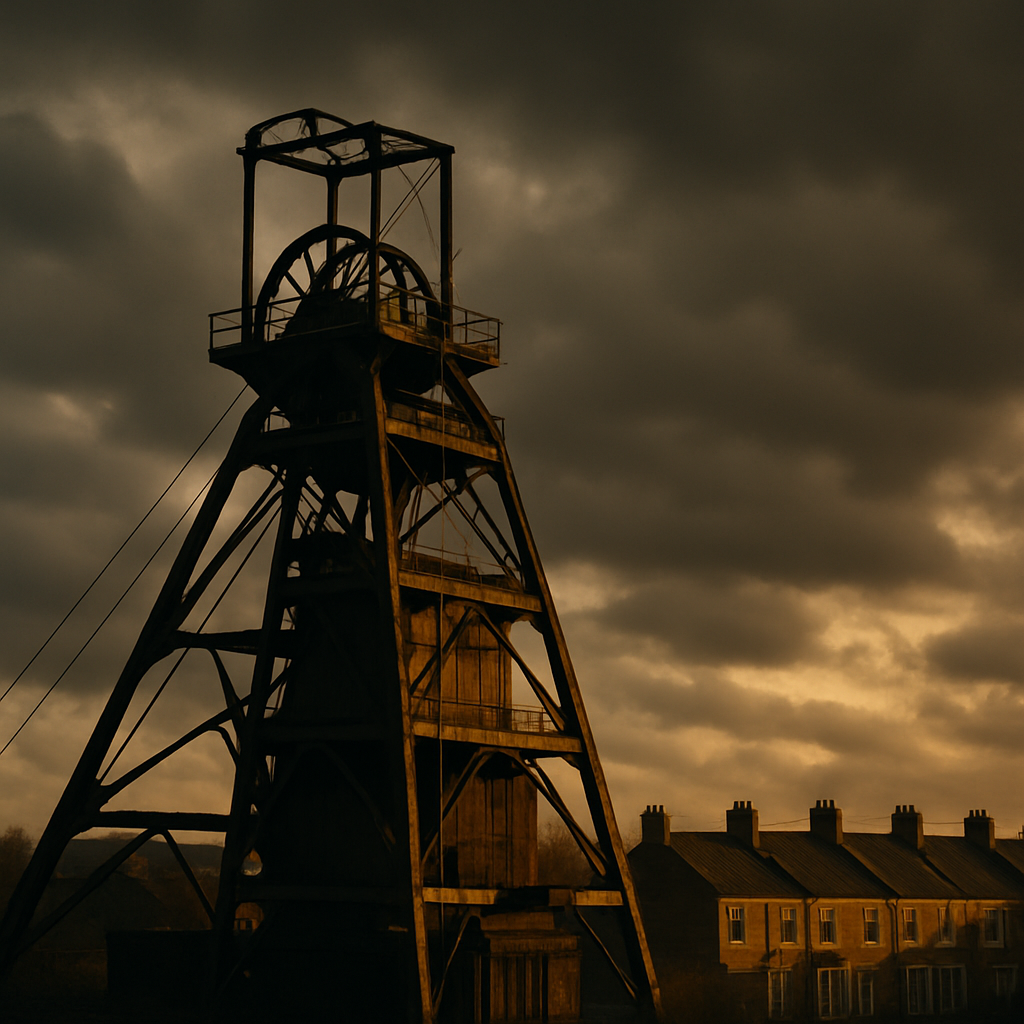
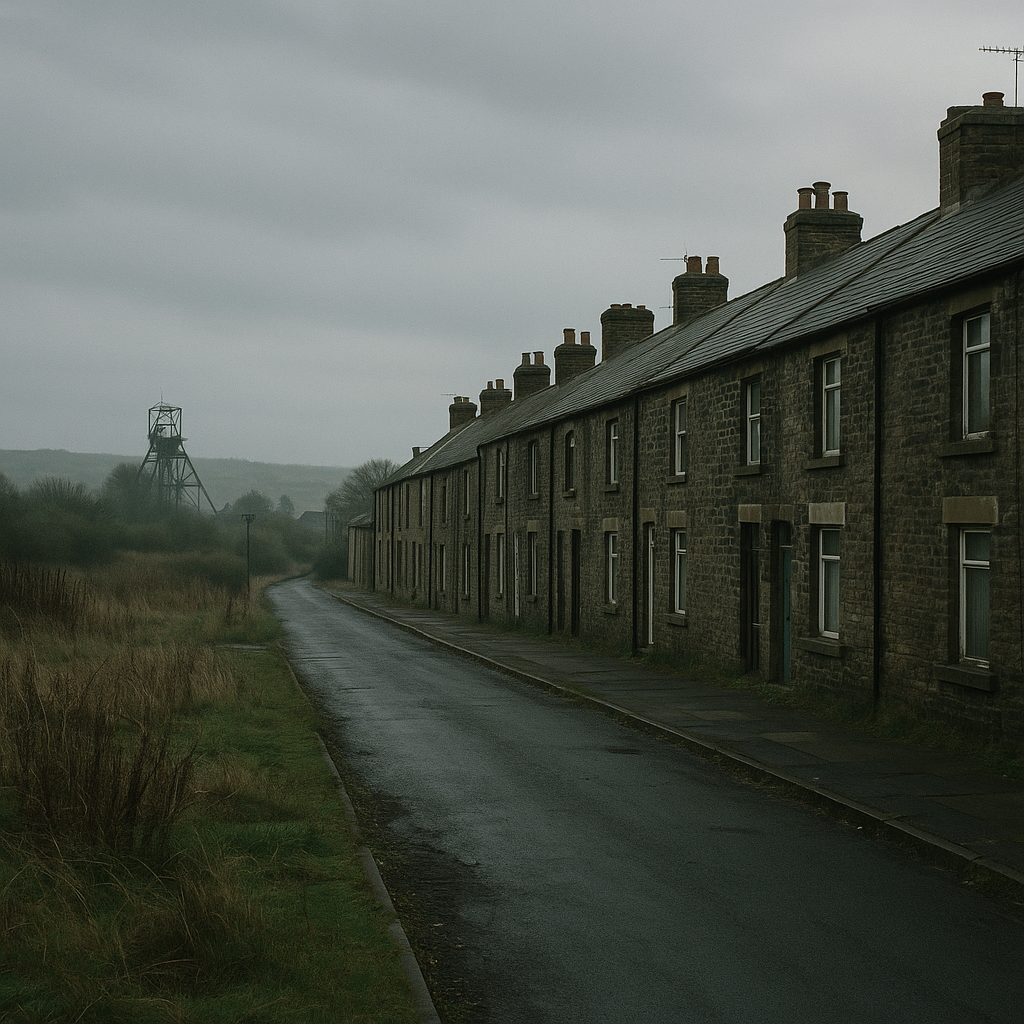
    Abandoned pit village in northern England symbolising the legacy of the push to reopen UK coal mines

    Reopen UK coal mines FAQs

    When did the last UK coal mine close?

    Kellingley Colliery in North Yorkshire, often nicknamed ‘Big K’, closed in December 2015. It was the last deep coal mine operating in Britain, marking the end of an era for the industry that had powered the country for centuries.

    What was the Whitehaven coalmine controversy about?

    The proposed Whitehaven coalmine in Cumbria sparked a lengthy planning and political battle. Supporters argued it would produce coking coal for the UK steel industry, reducing imports. Critics said it contradicted the UK’s climate commitments. Planning permission was eventually granted but the project faced continued legal and financial challenges.

    Could former mining communities benefit if we reopen UK coal mines?

    In theory, reopening UK coal mines could bring skilled jobs back to communities that have struggled since the pit closures of the 1980s and 1990s. However, many economists argue that investing in green energy industries would create more sustainable, long-term employment in those same areas without the environmental trade-offs.