

Autumn is hedge-cutting season, and with the nesting-season ban on trimming having ended on 31 August, flails are out across the English countryside. It is a good moment to look at what is being trimmed. The history of English hedgerows runs back over a thousand years, and farmers, landowners and anyone who walks a footpath now live with the result: a boundary network that was nearly bulldozed away and is now being deliberately replanted under government targets.
The short version: hedges began as boundary markers, were multiplied by enclosure, were ripped out in huge numbers after the Second World War, and are now protected and encouraged. Each stage left marks you can still read in the field.
The history of English hedgerows: from Saxon bounds to Tudor sheep
Anglo-Saxon land charters, the written grants that describe estate boundaries by walking round them, mention hedges alongside streams, ancient trees and burial mounds. Some of those boundaries still follow the same line today, which makes certain hedges older than most English castles. Many parish edges are still marked by hedge, ditch or bank, a theme I came across when writing about beating the bounds.
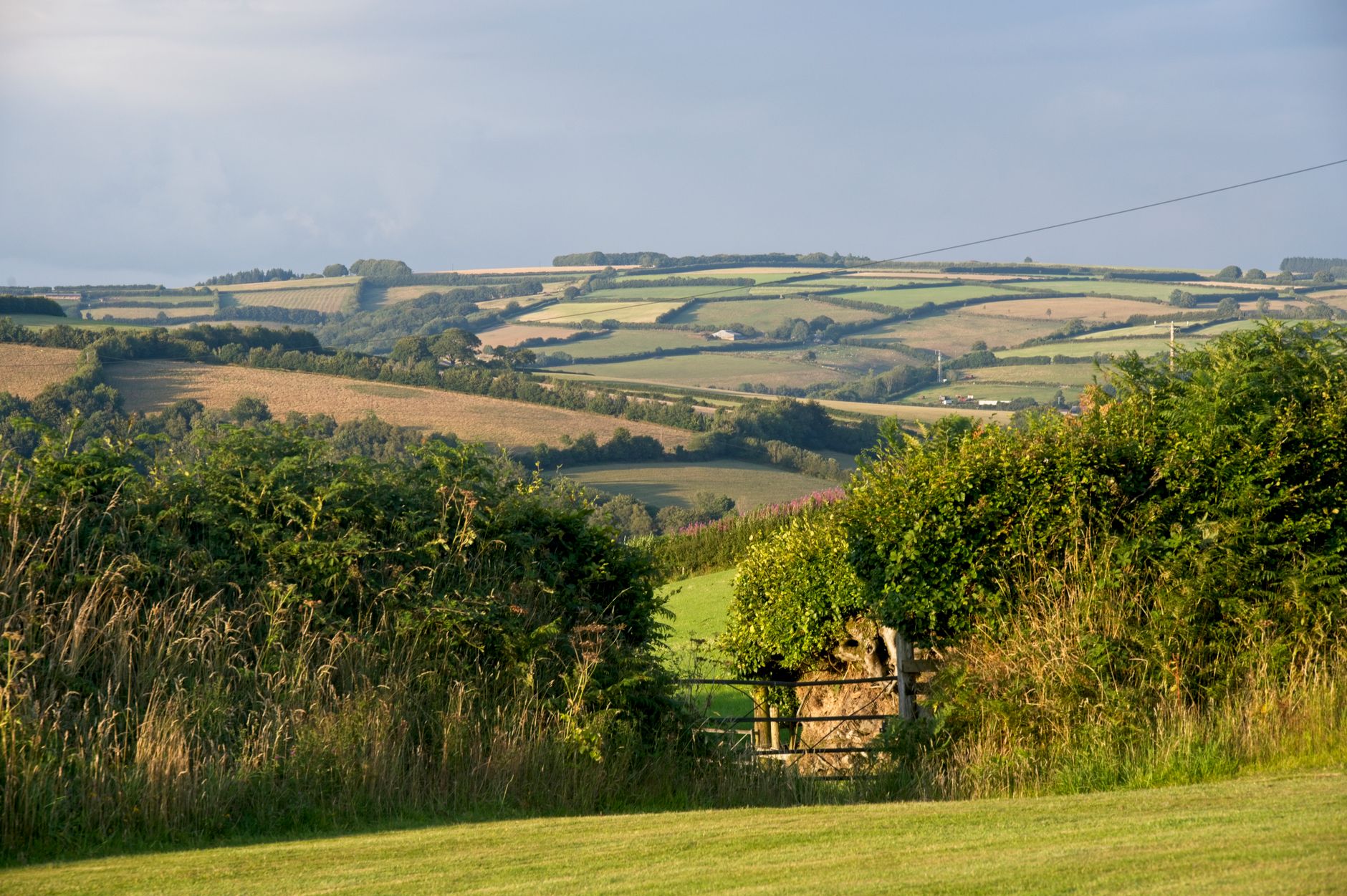
Medieval England was largely farmed in open fields, strips of land shared out among villagers, with hedges mostly round woods, closes and manor edges. Then the Tudors discovered that wool paid. From the fifteenth and sixteenth centuries some landlords enclosed common land for sheep, and Thomas More, in Utopia, famously complained that sheep were devouring men. Early enclosure was patchy and local, done by agreement or by force, and it left irregular little fields with wandering hedges, especially in the West Country, the Welsh borders and parts of East Anglia.
Then came Parliament. Between roughly 1750 and 1850, thousands of Acts of Parliament enclosed open fields and common land, mostly across a broad belt of the Midlands. Surveyors drew straight lines, and gangs planted hawthorn, known as quickthorn, in long ruler-straight runs. That is why a hedge across the Midlands often looks as if it was drawn with a set square: it was. Enclosure made some landowners rich and left many cottagers without the common grazing and fuel they had relied on.
How do you tell how old a hedgerow is?
You can estimate a hedgerow’s age by counting the woody species in a 30-yard stretch. The ecologist Max Hooper suggested in the 1970s that each species roughly equals a century, so a hedge with five types of shrub might be around 500 years old. It is a rule of thumb and has plenty of exceptions, but it is a fun one to try on a Sunday walk.
Other clues help. A winding line and a mix of hazel, field maple, dogwood and spindle suggests an old hedge. A dead-straight line of nearly pure hawthorn points to a parliamentary enclosure. Hedges on top of a bank with a ditch, common in Devon and Cornwall, can be far older still.
The craft that kept hedges alive
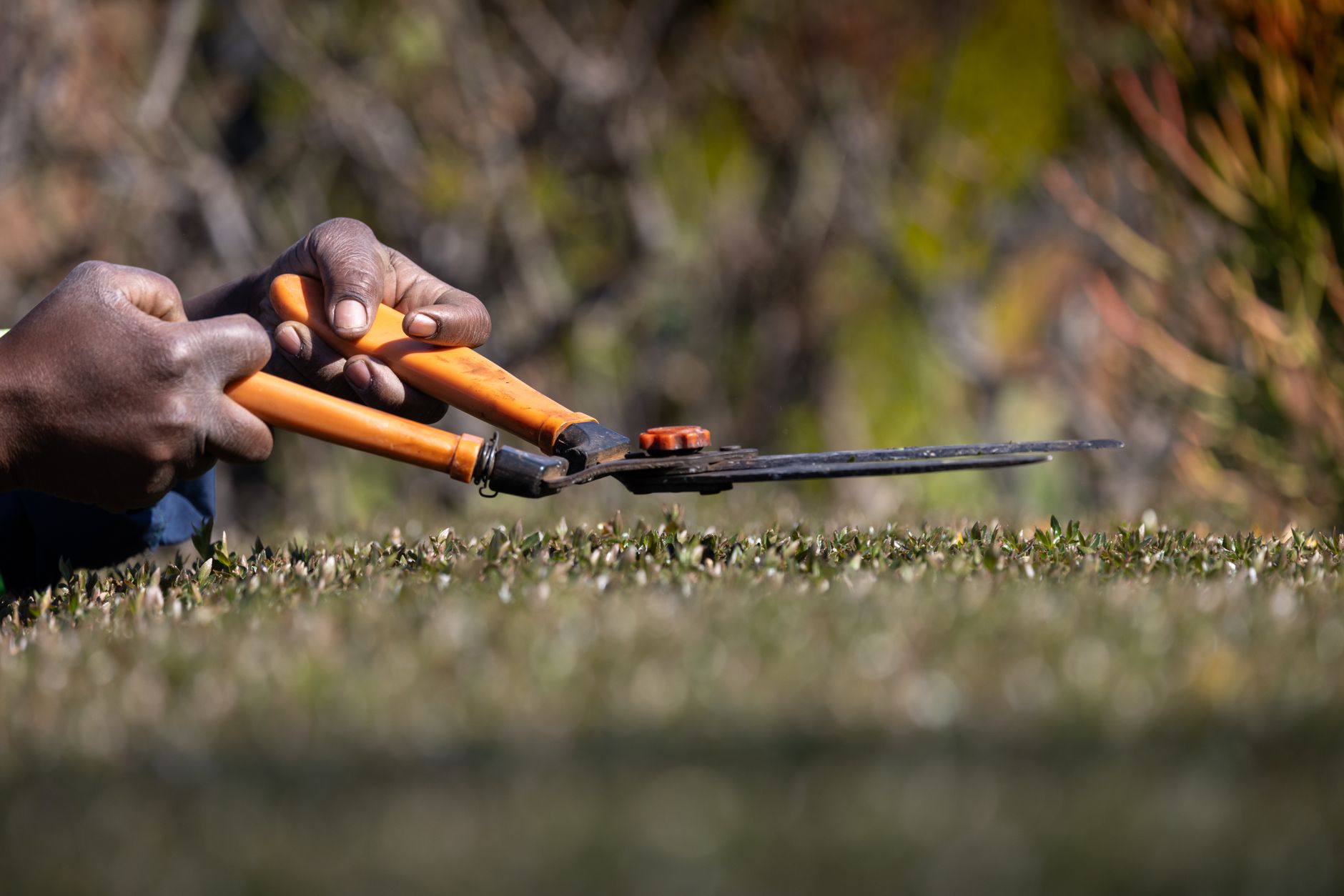
A hedge is not just planted, it is managed. Hedgelaying, where stems are partly cut and bent over to form a living stockproof barrier, regrows into a thick wall. Regional styles differ across the country, from the Midland bullock hedge to the Devon hedge, and the same work was once done by farm labourers every winter. If you like the idea of country trades that held rural life together, the village blacksmith was the equivalent figure in the forge.
How many hedgerows has England lost?
England lost a very large share of its hedgerows in the decades after the Second World War, with tens of thousands of miles removed. Wartime food shortages had pushed policy towards maximum production, and the Agriculture Act 1947 guaranteed prices and supported farm investment. Bigger tractors and combine harvesters made small fields feel like an obstacle, and grants and advice encouraged farmers to grub hedges out and merge fields.
Dutch elm disease, which swept through in the 1970s, killed the elms that stood in many hedges and finished off a good few lines that were already struggling. Hedges that survived were often flailed so hard and so often that they thinned into gappy rows of stumps. The consequences were felt by wildlife: hedgerows shelter birds, small mammals, insects and plants, and act as corridors linking woods and fields. Loss of habitat for songbirds such as the yellowhammer and the dunnock was part of the wider farmland bird decline.
What protects hedgerows now?
The Hedgerow Regulations 1997 make it illegal to remove most countryside hedgerows without first notifying the local planning authority, which can issue a retention notice for important ones. It is also an offence to disturb nesting wild birds, which is why trimming is normally avoided between 1 March and 31 August. Check the rules for your own land, or for a hedge you are worried about, through GOV.UK or your council.
Policy has swung from removal to restoration. The Climate Change Committee has recommended expanding hedgerows by around 40 per cent by 2050 as part of its land use advice, and the government’s Environmental Improvement Plan has set targets for creating and restoring tens of thousands of miles of hedgerow by 2037 and 2050. Farm payment schemes in England, such as the Sustainable Farming Incentive, include options for planting and managing hedges, though the details change, so check current terms.
Planting a hedge on an old farm plot
Volunteers, community groups and smallholders restoring hedges often work on land that was once a working farmyard or outbuilding site. Old corrugated roofing and cladding turn up in field corners and hedge bottoms, and a lot of mid-twentieth-century material of that type contained asbestos cement. If you find broken sheeting while clearing ground for planting, leave it alone, do not snap or sweep it, and get it identified properly first. A specialist firm such as Asbestos Compliance Solutions can survey and advise on what you have found before anyone with a spade or strimmer goes near it.
What you can do
Pick a species-rich mix, such as hawthorn, blackthorn, hazel, field maple and dog rose, rather than a single type. Plant bare-root whips between November and March, when the plants are dormant, which is exactly the window we are in now. Let the hedge grow taller and wider than the neat box shape suburban gardens favour, and cut on a rotation of a few years rather than annually, so the berries and blossom survive. If you walk a footpath, note the hedges you pass: the next time you see a wandering one with five species in it, you are looking at something older than the parish church roof.
Frequently Asked Questions
How old are England's oldest hedgerows?
Some English hedgerows follow boundaries recorded in Anglo-Saxon charters, so they may be over a thousand years old. Most hedges you see today are younger, with many planted during parliamentary enclosure between about 1750 and 1850.
Is it illegal to remove a hedgerow in England?
Under the Hedgerow Regulations 1997, you generally must notify your local planning authority before removing most countryside hedgerows. The council can issue a retention notice if the hedge is classed as important. Garden hedges are normally outside these rules.
When can you cut a hedge in England?
Trimming is normally avoided from 1 March to 31 August because of nesting birds, and disturbing nests is an offence under wildlife law. Late autumn and winter are the usual times for cutting and hedgelaying.
Why were so many hedgerows removed after the war?
Food security drove policy after the Second World War, and the Agriculture Act 1947 supported production. Larger machinery made small fields awkward, so many farmers removed hedges to create bigger fields, often with grant support.


Leave a Reply