

Long before elected councils, before Whitehall ministers, before any of the machinery we associate with local government, the actual day-to-day running of England fell to a handful of ordinary men who mostly just wanted to be left alone. The churchwarden who tallied up the church accounts. The overseer who decided whether a desperate widow qualified for parish relief. The surveyor of highways who was supposed to fill in the potholes but usually didn’t. These were the functionaries of the parish vestry, and for roughly three centuries they were the closest thing England had to local government. Nobody elected them, nobody paid them, and nobody particularly thanked them. They just got on with it.
I find this whole system quietly astonishing. Not because it was efficient (it absolutely wasn’t), but because it worked at all. England was administered, largely without complaint, by a rotating cast of reluctant volunteers who combined genuine civic duty with a fair degree of muddle. There’s something very English about that.
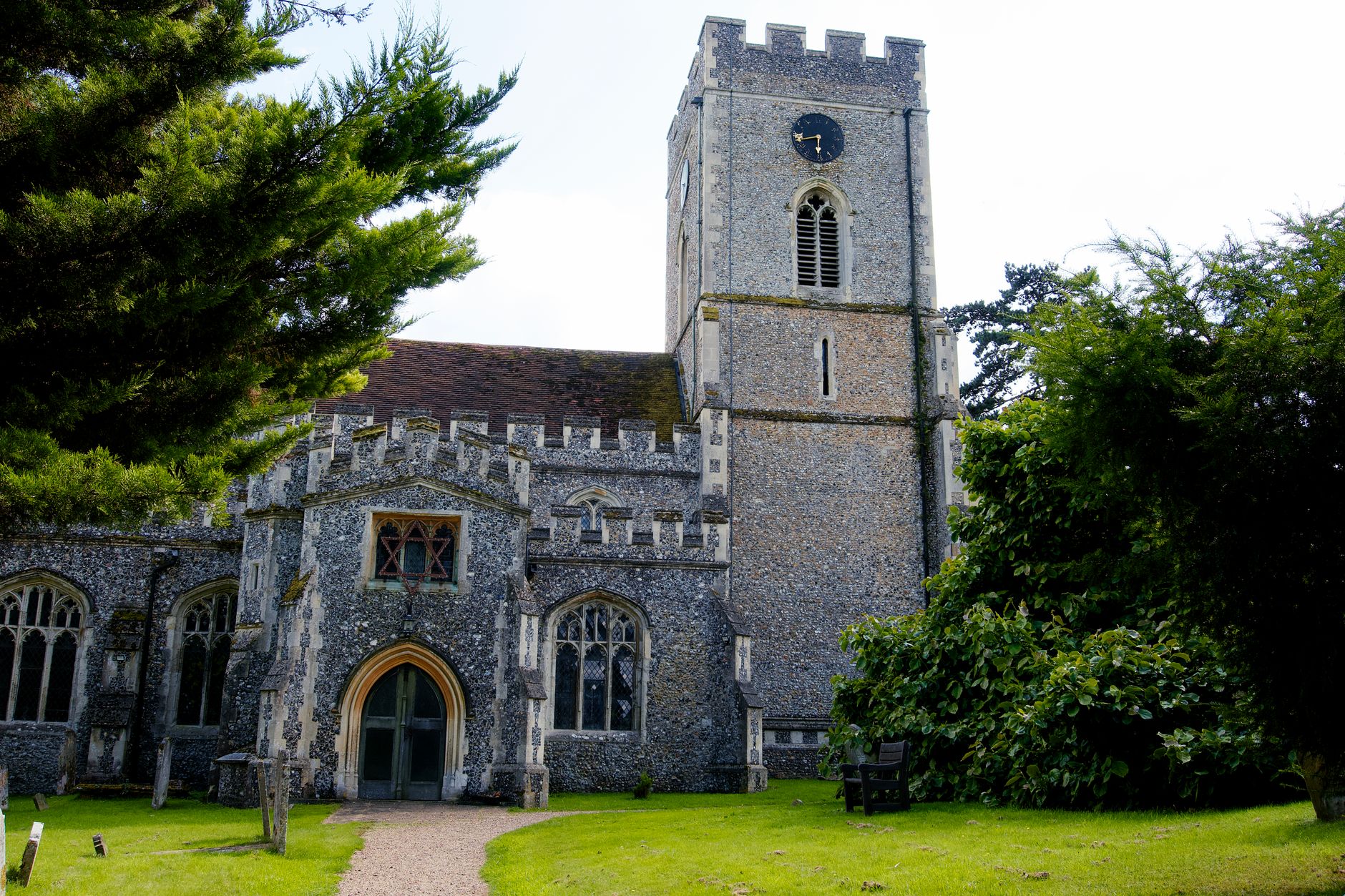
What the parish vestry actually was
The vestry was, in its origins, quite literally a room. It was the chamber attached to the church where the priest kept his vestments, and it was where the male householders of the parish gathered to sort out communal business. Over time, the meeting became more important than the room, and by the Tudor period the vestry meeting had become the formal administrative body of the parish across most of England.
Two types emerged. The open vestry let all ratepaying householders attend and vote, which sounds democratic but frequently descended into chaos, feuds, and hours of argument about a broken fence. The select vestry, more common in larger towns, was a closed body of the same men re-electing themselves year after year, which sounds corrupt but at least got things done. In practice, most parishes were somewhere between the two: a core of active participants and a larger group who showed up only when they had a grievance.
The vestry’s formal responsibilities were set out by a succession of Tudor and Stuart statutes. The Poor Law Act of 1601 is the big one, giving the vestry its teeth over poor relief. But legislation had been quietly loading responsibilities onto parishes for decades before that, and would continue doing so long afterwards.
The churchwarden: the parish’s senior dogsbody
The churchwarden was the senior officer, and the role had genuine prestige. Two were typically appointed each year, one by the incumbent clergyman and one by the vestry, which occasionally produced a lovely dynamic where both parties selected someone the other actively disliked. The churchwarden’s formal duties were ecclesiastical: maintaining the fabric of the church, managing church property, presenting offenders against moral and religious law to the bishop’s court. In the sixteenth and seventeenth centuries that last function gave churchwardens real power. They could report parishioners for working on Sundays, failing to attend church, or living “incontinently” (a wonderfully vague charge that covered everything from adultery to general untidiness of character).
By the Georgian period the ecclesiastical teeth had largely gone, but the administrative burden remained. The churchwarden managed the church rate, that perennially controversial levy on all householders (including nonconformists, which caused no end of bother), collected rents from church lands, and kept accounts that had to be approved by the vestry. He was also expected to be a man of some standing. A tradesman might serve, but it was usually the better sort of farmer, the minor gentleman, the established shopkeeper. Not because the rules said so, but because social expectation did.
The overseer of the poor: the hardest job in the parish
If the churchwarden’s role had a certain dignity to it, the overseer of the poor had none whatsoever. The job was created by the Elizabethan Poor Law and remained one of the most thankless posts in English public life until the New Poor Law swept the whole system away in 1834. The overseer collected the poor rate, distributed relief to those deemed eligible, arranged apprenticeships for pauper children, and spent considerable energy deciding who was and wasn’t the parish’s problem.
That last point is where it got genuinely cruel. The Law of Settlement meant that every pauper had a legal parish they “belonged” to, and overseers spent significant time and money removing destitute people back to their parish of settlement rather than paying for them locally. A family could be bundled into a cart and carted thirty miles away because the overseer had determined they were technically Shropshire’s problem, not his. The Settlement Act of 1662 codified this system, and its effects lingered in parish records for generations.
Overseers served for a year, were unpaid, and were drawn from the same pool of middling householders. A man who’d served would often spend the following decade quietly making himself unavailable when the constable came round to deliver the nomination. I can’t say I blame him.
The surveyor of highways: fighting a losing battle
England’s roads were, for most of its history, genuinely terrible. The surveyor of highways was the man the parish blamed. Appointed annually under the Highways Act of 1555, the surveyor was responsible for organising the repair of roads within the parish, calling on householders to provide labour (the so-called “statute labour”, a few days a year of compulsory road-mending), and generally keeping the King’s highway passable.
In practice, statute labour was frequently not done, or done badly, or done only on the bits of road where the surveyor happened to live. The whole system was chaotic enough that Parliament eventually began creating turnpike trusts to take over the main roads entirely, a process I find fascinating in its own right. The Georgian road revolution driven by turnpike trusts was, in a very real sense, an admission that the parish surveyor system had failed. That said, the surveyor persisted on minor roads long after turnpikes took the main routes, and the office limped on until the Highway Act of 1835 transferred responsibility to new highway districts.
The parish constable: law enforcement on a shoestring
Below the churchwardens and overseers sat the parish constable, perhaps the most put-upon of all these officers. His job was to keep the peace, execute warrants, and generally maintain order in the parish. He had no training, no pay, no uniform, and frequently no idea what he was supposed to do when someone actually committed a serious crime. He was a farmer, a tradesman, a craftsman who’d drawn the short straw at the vestry meeting.
The constable was also responsible for organising the parish’s response to the pressing poor, vagrants passing through, and the occasional pressed man heading to the militia. He co-operated with the churchwarden and overseer on matters of poverty and settlement, and with the justice of the peace on anything that required actual legal authority. The JP, sitting above the whole parish structure, was the one figure in this system who actually had formal legal training, though even that was not guaranteed.
How the whole thing was eventually replaced
The Victorian era dismantled the parish vestry system piece by piece, without quite intending to do so systematically. The New Poor Law of 1834 replaced parish overseers with boards of guardians covering larger Poor Law unions. The Municipal Corporations Act of 1835 created elected borough councils for towns. The Local Government Act of 1888 established county councils, and the Local Government Act of 1894 created the urban and rural district councils that finally gave rural England a proper elected tier of local government.
By 1900 the vestry had been stripped of nearly everything. It retained some ecclesiastical functions, and the civil parish council that replaced it for secular matters was a much diminished thing. The churchwarden soldiered on as a church officer, which is where you’ll still find the title today. The annual election of churchwardens at the Easter vestry meeting is a thread that connects the modern church to this very old system of parish administration.
The overseers, surveyors, and constables simply vanished into the new bureaucracy. Their successors got offices, salaries, and job titles. The old men of the vestry got nothing except, occasionally, a mention in the parish records that survive in county archives across England. If you’ve ever done any genealogical digging you’ll have encountered them: lists of names, amounts of poor relief paid out, road repairs ordered. Dry stuff on the surface, but there’s a whole society in those pages. A whole way of running a country, by people who just had to get on with it.
It’s worth remembering that this was also the system that administered the working classes most directly. The difference between a vestry that applied poor relief generously and one that applied it meanly could be the difference between a family eating and not eating. The self-improvement movements of the Victorian era were partly a response to how capriciously this system could treat ordinary people. When communities built their own institutes and lecture halls, they were doing for themselves what the vestry was supposed to do and often didn’t.
Nobody has put up a statue to an overseer of the poor. They wouldn’t want one. But England ran on these men, quietly and imperfectly, for centuries. That deserves at least a paragraph.
Leave a Reply