

What was an almanack actually for? It was a household’s year-planner: a cheap printed booklet that listed the calendar, the moon’s phases, saints’ days, fair dates and a forecast or two, all in one place. The English almanack was the nearest thing a farmhouse had to a diary, a noticeboard and a reference shelf rolled into one, and I’d argue we have been far too snooty about it.
The snootiness is familiar. Almanacks get filed under quaint superstition, all moon-gazing and dodgy weather predictions. That misses the point. Their real power was organisation, and for most of rural England it was the only organisation on offer.
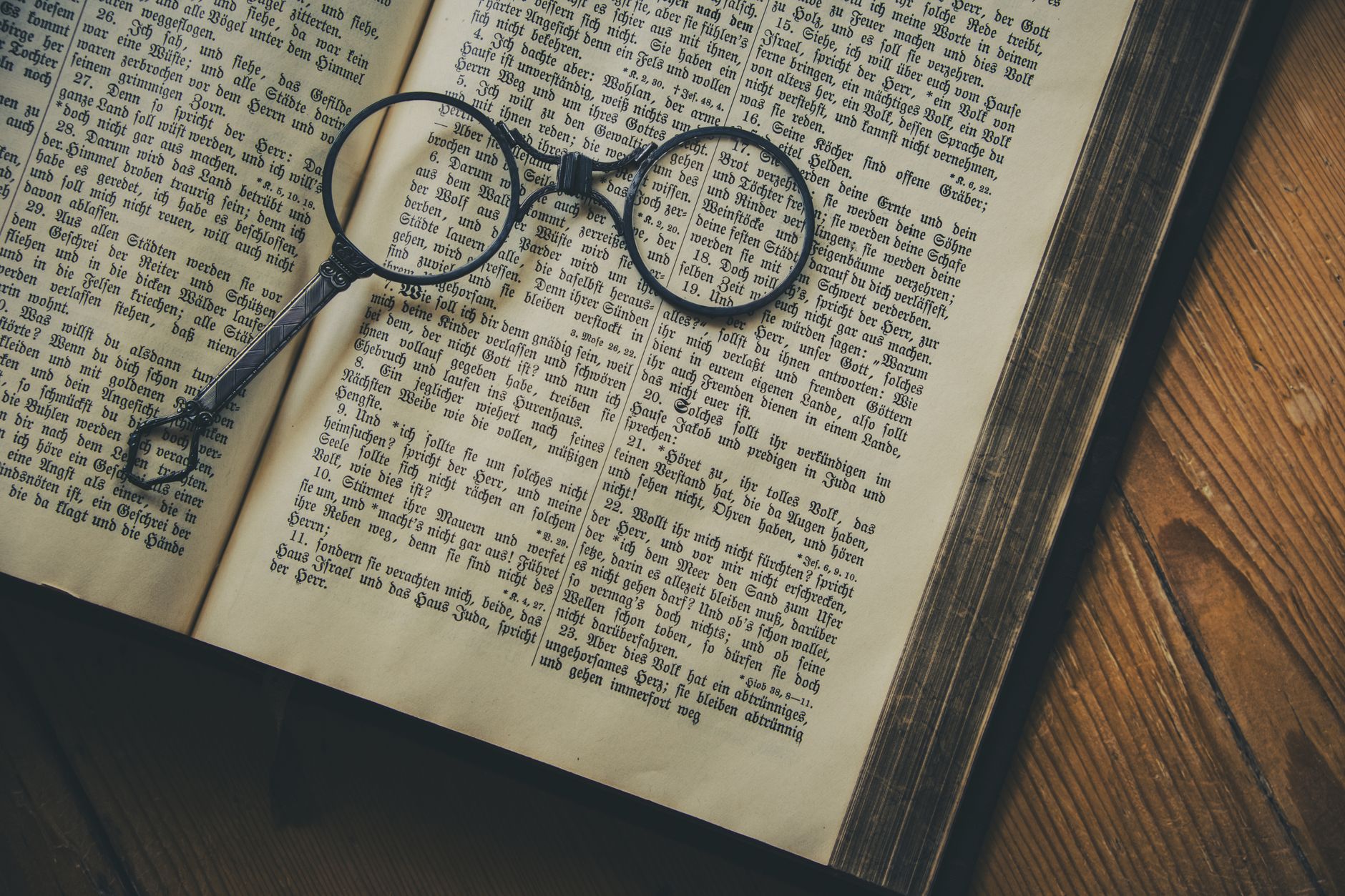
What did an English almanack contain?
An English almanack typically contained a calendar of the year, the dates of movable feasts such as Easter, saints’ days and holy days, the phases of the moon, the times of sunrise and sunset, and a list of fairs and markets. Many added a rough weather forecast, tables of the tides or the roads, and a few pages of advice on farming and health.
Think about what a household without a printed calendar had to go on. Church bells, the seasons and memory. The almanack gave you a fixed grid to hang all that on. When did the quarter day fall, when was the hiring fair, when was the market in the next town? You looked it up, and it was the same answer for everyone who owned the same booklet.
Why the penny pamphlet beat everything else
It was cheap, and it was annual. A new one appeared every year, so it was never out of date, which is more than you can say for most things on a farmhouse shelf. The trade was big business for centuries, and the Stationers’ Company held a profitable monopoly over almanack printing for a long stretch of the early modern period. People bought them because they were useful, not because they were improving.
They also travelled the same roads as other cheap print. If you enjoyed our look at the chap-book trade, you will recognise the model: small, rough, sold by the pedlar at the door, read until the corners curled. The almanack simply had the advantage of being needed again every twelve months.
Moon-phase planting: nonsense or sense?
Here is the obvious objection. Planting by the moon has no reliable scientific backing, so surely the almanack was selling folklore? Partly, yes. I would not stake my runner beans on a waxing crescent.
But the fair reading is that the moon was a calendar, not a magic spell. A lunar phase gave a farmer a shared, visible marker for timing jobs when no one owned a printed diary of their own. The almanack turned that marker into a schedule: sow now, prune then, wean the lambs about here. Some of the timing happened to be sound because it tracked the season. Some of it was habit. Both are fine reasons to keep a booklet on the windowsill.
Saints’ days, fairs and the working year
Rural England ran on dates that sound odd today. Rents and wages fell due on quarter days such as Lady Day and Michaelmas. Labourers sought new employers at hiring fairs, which we covered in our piece on mop fairs and hiring days. Miss the date and you might wait another year for work, or turn up at an empty market.
Saints’ days did double duty as a memory aid. Everybody knew roughly what happened around Martinmas in November, when stock was killed and salted for winter. The almanack printed the date and the village did the rest. It is the sort of knowledge that feels trivial until you are the one who has to feed a household through January.
The weather prophecies
Almanack forecasts were long-range predictions printed months ahead, which tells you everything about their accuracy. Yet readers kept buying them. I suspect the forecast was part entertainment, part comfort, and part a way of starting an argument in the pub. That is a perfectly respectable use of ninepence of paper.
If you want to know how people read weather without a printed guide, the modern equivalent is stepping outside and looking at the sky, much as anyone planning an evening on the fells would. Our friends at Mudded have a good guide to planning a safe route after dark, and much of it comes down to the same habit of reading light, cloud and time before you set off.
Why the almanack still matters
The booklet outlived its job, but the instinct behind it has not gone anywhere. People still want a seasonal rhythm: when to put the bulbs in, when to make the chutney, when to light the first fire. If you enjoy cosy, grounded household writing about the year’s turning, thekettleison.co.uk carries on the same practical tradition, minus the moon tables.
My position is simple. The almanack was not a quaint curiosity but the working diary of rural England, and treating it as a joke undersells the people who relied on it. They were not credulous. They were organised, with the tools they had.
Where to see one for yourself
Many county record offices and local museums hold almanacks in their collections, and second-hand bookshops and fairs often sell old ones for modest sums. Handle them gently: cheap paper from the eighteenth and nineteenth centuries can be brittle. A browse through the dog-eared pages of one is the quickest way to see how a year once felt.

Leave a Reply