
Long before Netflix box sets and true crime podcasts, the working classes of Victorian Britain had their own guilty pleasures. They were called penny dreadfuls, and for a single penny you could get your hands on a lurid, blood-soaked, gloriously trashy pamphlet that would have your mum absolutely horrified. Sweeney Todd slitting throats in a Fleet Street barber’s chair. Dick Turpin galloping through the night on Black Bess. Spring-Heeled Jack terrorising the streets of London. This was penny dreadful Victorian history in its rawest, most thrilling form, and it was enormous.
What Exactly Was a Penny Dreadful?
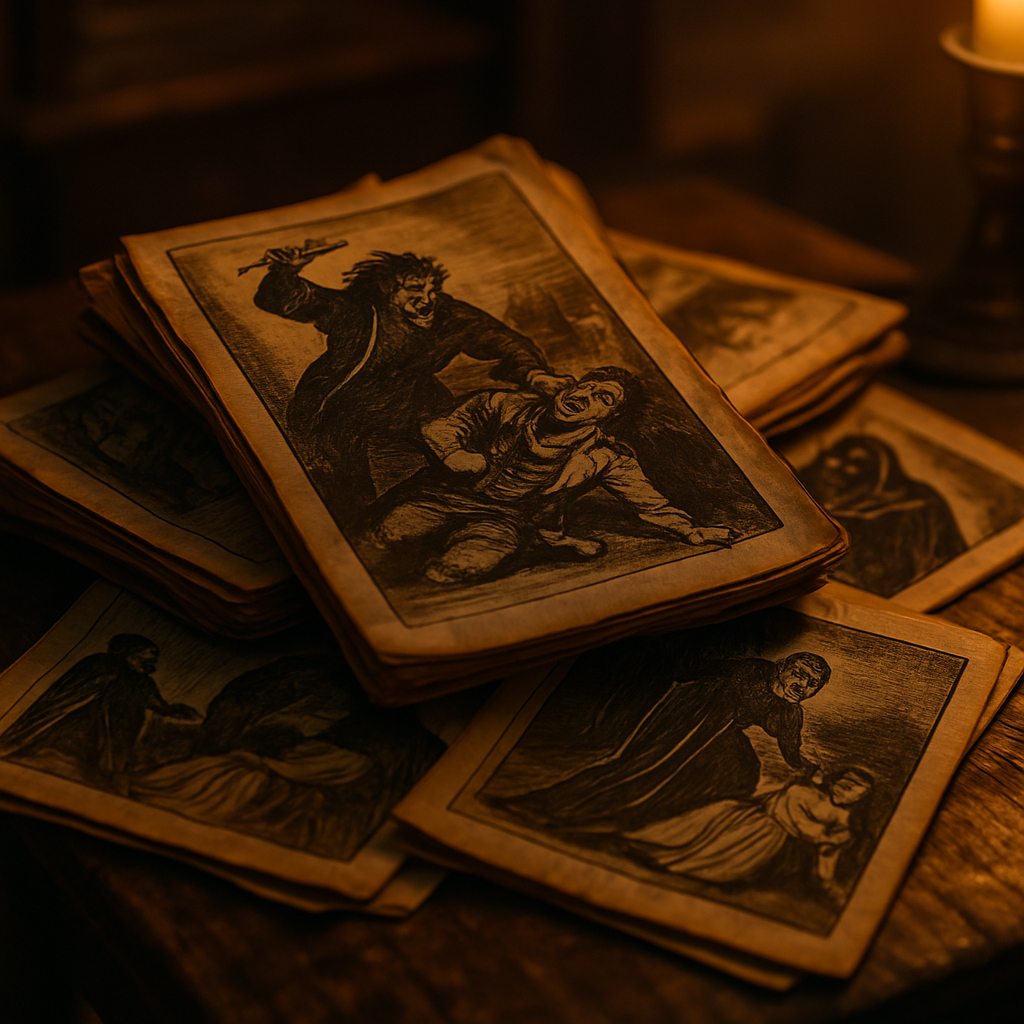
Penny dreadfuls were cheap, weekly serialised publications that emerged in earnest during the 1830s and flourished right through to the 1890s. Each instalment ran to roughly eight pages, printed on low-quality paper with dramatic woodcut illustrations, and sold for a penny a pop. Publishers like Edward Lloyd, who had a particular talent for spotting what the masses actually wanted to read, churned them out at pace. Lloyd’s output was so prolific and so deliberately sensational that rivals nicknamed his publications “Salisbury Square fiction” after the London address from which they were distributed.
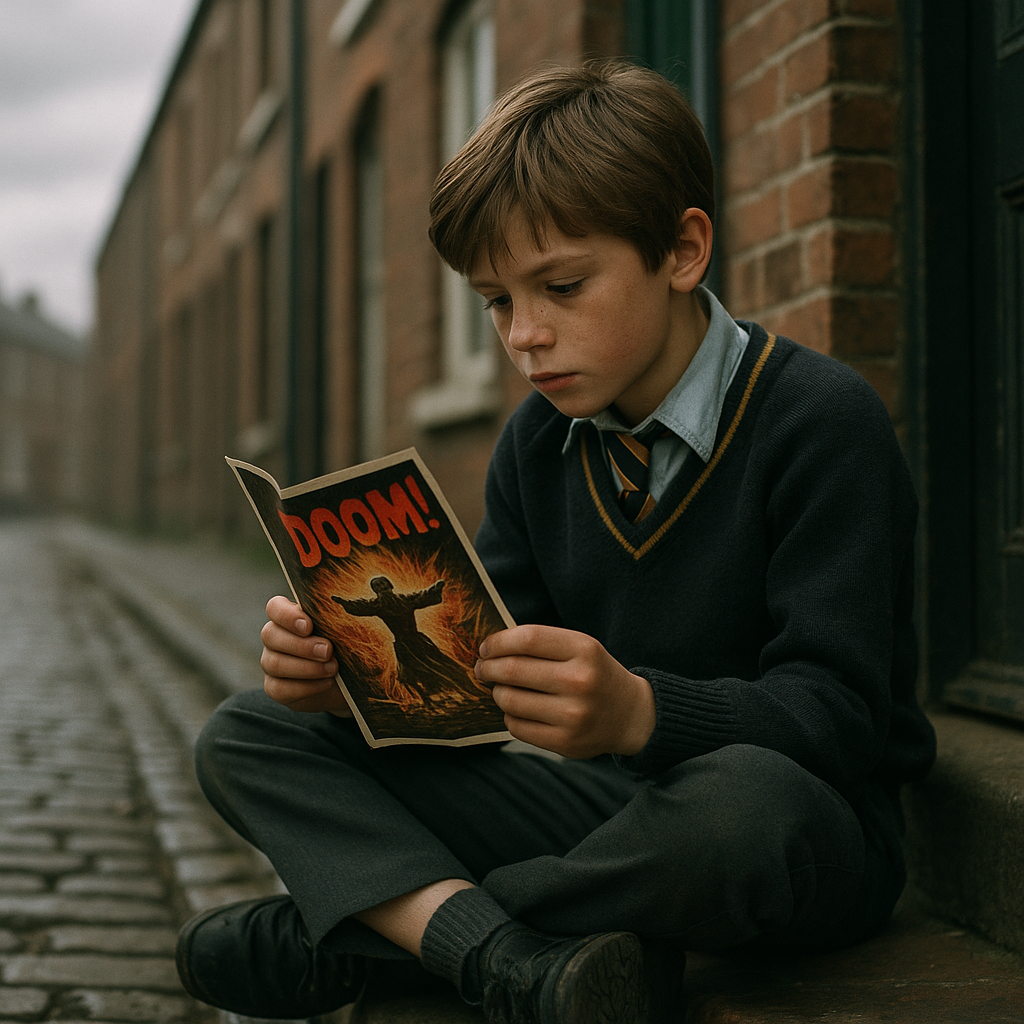
The readership was almost entirely working class, predominantly young men and boys who had recently become literate thanks to the expansion of parish and dame schools. These lads were not interested in the improving moral tracts the Victorian establishment kept trying to push on them. They wanted murders, highwaymen, ghosts, and villains with names like “Varney the Vampyre.” And that is precisely what they got.
The Stories That Defined the Genre
A handful of titles from penny dreadful Victorian history became genuinely iconic. Varney the Vampyre, or The Feast of Blood, serialised between 1845 and 1847, ran to an astonishing 232 chapters and almost certainly influenced Bram Stoker’s Dracula decades later. The String of Pearls, published in 1846 and 1847, introduced the world to Sweeney Todd, the demon barber of Fleet Street, a character so vivid he has never really gone away. There were highway robbers, pirates, body snatchers, and dashing rogues of every description.
What made these stories work was their pace. Each instalment ended on a cliffhanger so outrageous you had no choice but to come back next week. Sound familiar? It should. That structural trick, the episodic hook, is the beating heart of everything from soap operas to prestige television drama. Victorian penny dreadful publishers invented the cliffhanger as a commercial weapon, and storytellers have been using it ever since.
The Moral Panic: Corrupting the Youth of Britain
The establishment was absolutely beside itself. Magistrates, clergymen, and newspaper editors queued up to condemn penny dreadfuls as a corrupting influence on impressionable minds. In 1851, Henry Mayhew documented in London Labour and the London Poor how these publications had saturated the lives of street children. There were real court cases where defence barristers argued that a young offender had been led astray by the penny press. The publications were blamed for pick-pocketing, vagrancy, and generally being a bit rough around the edges.
Sound familiar again? Every generation invents a new version of this panic. In the twentieth century it was comic books, then video nasties, then violent video games. The hand-wringing about penny dreadfuls is essentially the same argument, word for word, that Mary Whitehouse would be making about television a century later. The content changes; the pearl-clutching does not.
What the critics largely missed was that penny dreadfuls were one of the first genuinely democratic forms of popular culture in British history. They gave working people stories that reflected excitement, danger, and escapism rather than endless sermons about temperance and thrift. They were not corrupting the poor. They were entertaining them, which felt like much the same thing to certain quarters of Victorian society.
How Penny Dreadfuls Laid the Ground for Modern Crime Fiction
Here is where penny dreadful Victorian history gets genuinely interesting for anyone who loves a good thriller. The genre established several conventions that crime and horror fiction still relies on today. The unreliable urban setting, London as a labyrinthine place of hidden menace, was a penny dreadful staple long before Arthur Conan Doyle sent Sherlock Holmes prowling through the fog. The working-class detective figure, the amateur sleuth driven by curiosity rather than official duty, pops up in penny dreadfuls before he becomes a literary archetype.
Charles Dickens, a writer of slightly more respectable standing, was clearly aware of what these publications were doing. His own serialised novels borrowed heavily from their pacing and dramatic structure. Dickens and the penny dreadful publishers were, in a sense, competing for the same audience, and Dickens was smart enough to absorb some of their tricks. You can draw a fairly straight line from the penny dreadful to Dickens, from Dickens to Conan Doyle, and from Conan Doyle to the entire tradition of British crime writing.
From Penny Pamphlets to Graphic Novels
The visual element of penny dreadfuls deserves its own chapter. Those woodcut illustrations were crude by any technical standard, but they were doing something important: combining image and text to tell stories in a way that anticipated the graphic novel by more than a century. Alan Moore, the Northampton-born writer behind V for Vendetta and From Hell (which, fittingly, deals with Jack the Ripper), has spoken openly about the penny dreadful tradition as part of the lineage of his own work. The British comics tradition that produced 2000 AD and Judge Dredd owes a genuine, traceable debt to those battered eight-page pamphlets.
For a deeper look at how Victorian popular print culture developed, the British Library’s Victorian popular culture collection is an outstanding resource, with digitised originals you can actually read.
The Legacy Hiding in Plain Sight
Penny dreadfuls largely faded by the end of the Victorian era, squeezed out by the halfpenny newspaper press and, eventually, proper cheap paperback novels. But their fingerprints are everywhere. The serialised story. The cliffhanger ending. The urban gothic setting. The loveable villain. The working-class audience treated as a legitimate market worth entertaining rather than improving. These are not minor contributions. They are the structural bones of British popular storytelling.
Next time you are binge-watching a crime drama or flicking through a graphic novel on the train, spare a thought for the penny dreadful. Some grubby, brilliantly cynical Victorian publisher in Salisbury Square worked all this out almost two hundred years ago, and the rest of us have just been catching up ever since.
Frequently Asked Questions
What is penny dreadful Victorian history and when did it start?
Penny dreadfuls were cheap, serialised story pamphlets published in Britain from the 1830s onwards, sold for a penny per instalment. They featured sensational tales of crime, horror, and adventure aimed primarily at newly literate working-class readers. Publishers like Edward Lloyd in London were among the most prolific producers of the format.
Is Sweeney Todd from a penny dreadful?
Yes. Sweeney Todd first appeared in a penny dreadful called ‘The String of Pearls’, serialised in 1846 and 1847. The character proved so durable that he has been adapted countless times, including in stage musicals and films. He is perhaps the most famous fictional creation to emerge directly from the penny dreadful tradition.
Why were penny dreadfuls controversial in Victorian Britain?
Victorian magistrates, clergymen, and journalists blamed penny dreadfuls for corrupting young, working-class readers and encouraging criminal behaviour. Several court cases explicitly cited penny dreadful readership as a factor in juvenile crime. The moral panic closely mirrors later controversies about comics, video nasties, and video games.
How did penny dreadfuls influence modern crime fiction?
Penny dreadfuls established key conventions still used in crime and horror fiction today, including the serialised cliffhanger, the urban gothic setting, and the amateur detective figure. Dickens borrowed heavily from their pace and structure, and the tradition flows directly through to Arthur Conan Doyle and the broader canon of British crime writing.
Where can I read original penny dreadful publications?
The British Library holds digitised copies of many penny dreadful titles through its Victorian popular culture collections, accessible online at bl.uk. Several university libraries, including those at the University of Sheffield and UCL, also hold physical and digitised collections of Victorian periodical fiction.
Leave a Reply