
The question of whether we should reopen UK coal mines is one that gets people proper fired up – from ex-miners in South Yorkshire to green campaigners in Brighton. It’s a debate packed with nostalgia, economics, and a fair dollop of national identity. So let’s have a good rummage through it, shall we?
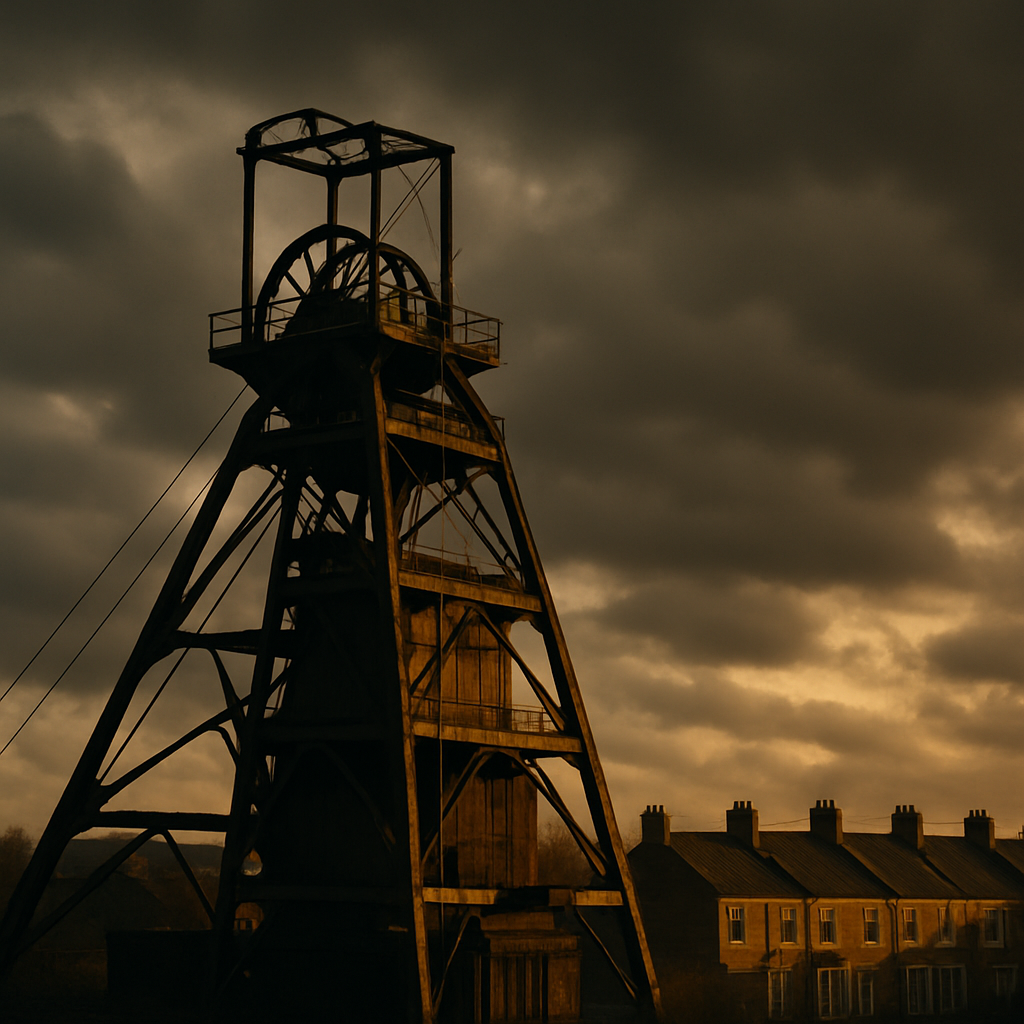
A Brief History of British Coal
Britain basically built the Industrial Revolution on the back of coal. For centuries, mining communities across Wales, Yorkshire, Durham, Scotland, and the Midlands were the beating heart of this nation. Pit villages had their own culture, their own pride, and frankly, their own language. Then came the 1980s, the miners’ strikes, the pit closures, and the slow, painful unravelling of an entire way of life. By the time the last deep coal mine – Kellingley Colliery in North Yorkshire – shut up shop in 2015, it felt like the end of a very long and complicated chapter.
Why Some People Want to Reopen UK Coal Mines
It might sound daft at first, but there are genuine arguments being made for bringing British mining back. The biggest one is energy security. When global gas prices go haywire and we’re relying on imports from countries that are, shall we say, a bit unreliable, having domestic energy sources starts to look rather sensible. Coking coal – the type used in steel production – is still imported in large quantities, and some argue that producing it domestically would be far more efficient and far less carbon-intensive than shipping it halfway around the world.
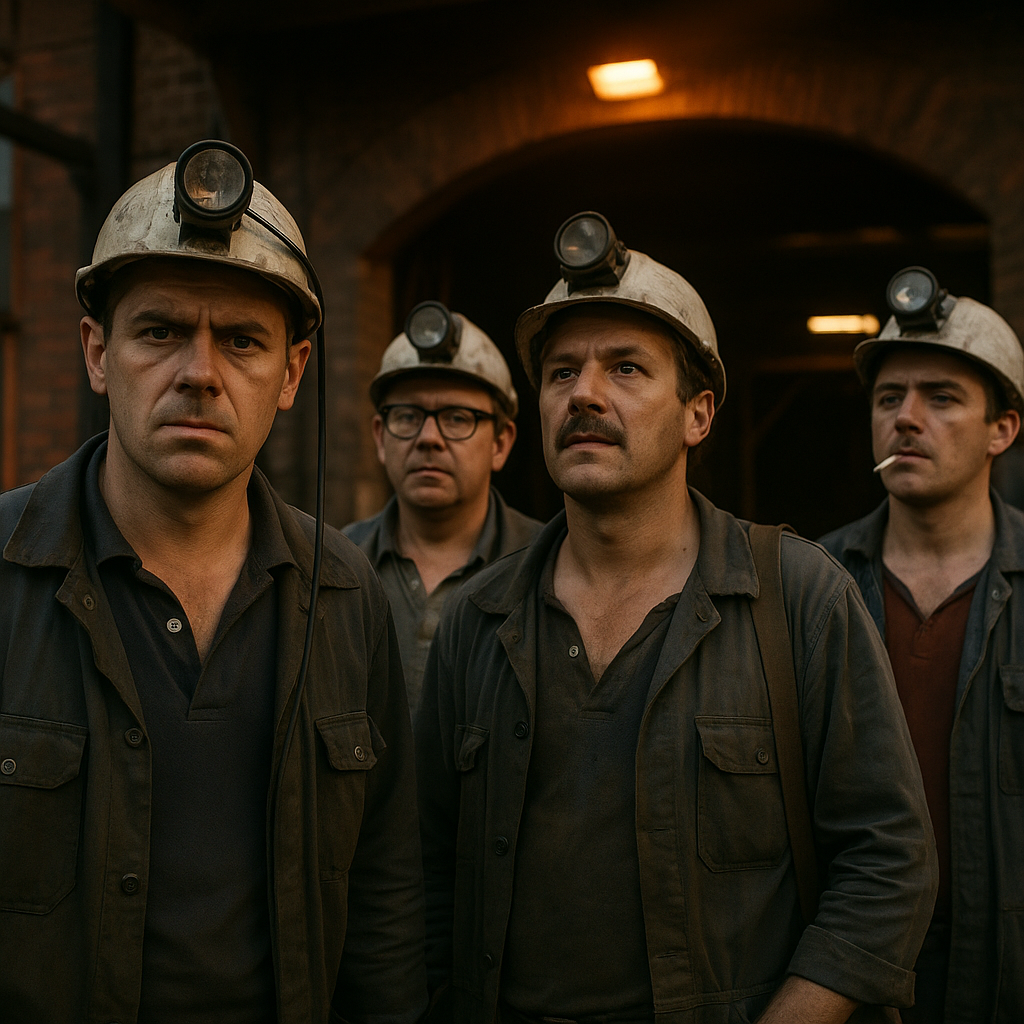
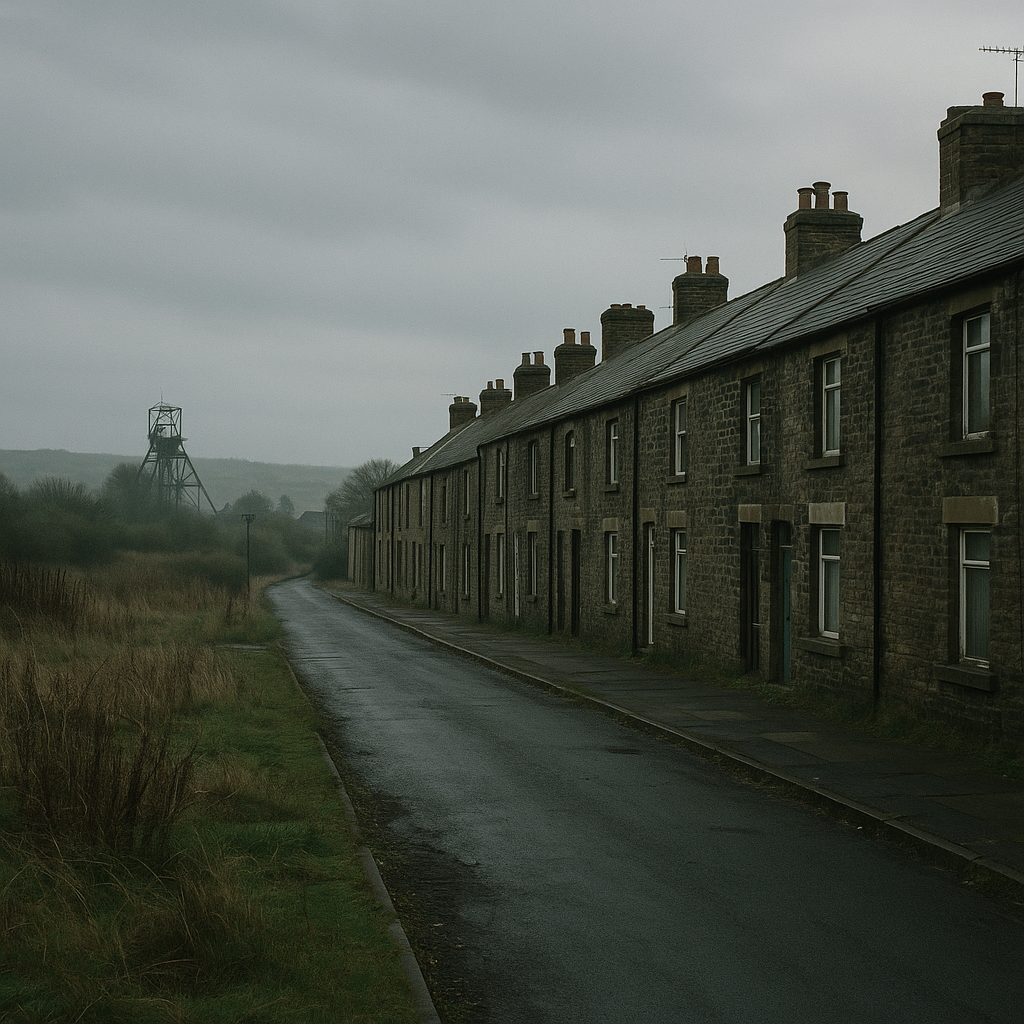
There’s also the economic angle. Former mining towns have never truly recovered. Unemployment, deprivation, and a sense of being left behind have plagued these communities for decades. The idea of bringing jobs back – real, skilled, well-paid jobs – carries enormous emotional and political weight.
The Arguments Against Reopening Mines
Now, before you go dusting off your hard hat, there are some rather significant problems with the whole idea. Britain has made legally binding commitments to reach net zero carbon emissions. Coal is, unfortunately, about as clean as a muddy whippet after a rainstorm. Burning it pumps out enormous amounts of CO2, and even the most optimistic assessments of carbon capture technology admit it’s not yet ready to make coal viable at scale.
Investors are also pretty reluctant to back new mining ventures in the UK. The financial case is shaky, the regulatory hurdles are mountainous, and the public mood – particularly among younger generations – is firmly against it. The 2022 planning saga around the Whitehaven coalmine in Cumbria showed just how divisive and drawn-out these decisions can be.
Is There a Middle Ground?
Some experts suggest a nuanced approach – focusing specifically on coking coal for industrial use rather than energy generation, and coupling any extraction with serious investment in carbon capture. Others argue the money would be far better spent retraining former mining communities for green energy roles – wind turbine technicians, solar installers, and the like.
There’s also a strong case for simply being honest with those communities. The jobs lost in the 1980s were never properly replaced, and any serious conversation about whether to reopen UK coal mines has to start by acknowledging that failure.
So, What’s the Verdict?
Straight answer? It’s complicated, innit. The romantic in all of us might fancy the idea of those pit wheels turning again, but the practical realities – climate targets, economics, and global energy trends – make a full-scale coal revival look like a very long shot. That said, the debate is far from over, and the communities at the centre of it deserve far better than to be ignored yet again.
Reopen UK coal mines FAQs
When did the last UK coal mine close?
Kellingley Colliery in North Yorkshire, often nicknamed ‘Big K’, closed in December 2015. It was the last deep coal mine operating in Britain, marking the end of an era for the industry that had powered the country for centuries.
What was the Whitehaven coalmine controversy about?
The proposed Whitehaven coalmine in Cumbria sparked a lengthy planning and political battle. Supporters argued it would produce coking coal for the UK steel industry, reducing imports. Critics said it contradicted the UK’s climate commitments. Planning permission was eventually granted but the project faced continued legal and financial challenges.
Could former mining communities benefit if we reopen UK coal mines?
In theory, reopening UK coal mines could bring skilled jobs back to communities that have struggled since the pit closures of the 1980s and 1990s. However, many economists argue that investing in green energy industries would create more sustainable, long-term employment in those same areas without the environmental trade-offs.