Category: History

  • Britain’s Most Beloved Local Traditions That Are Making a Comeback

    Britain’s Most Beloved Local Traditions That Are Making a Comeback

    There’s something gloriously, stubbornly British about a group of grown adults chasing a wheel of cheese down a near-vertical hill, or a bloke in a top hat officiating a village pancake race with the gravitas of a Supreme Court judge. British local traditions have always been a bit bonkers, a bit brilliant, and absolutely worth preserving – and it seems the rest of the country has finally caught on.
    Why British Local Traditions Are Having a Proper Moment

    After years of everything going increasingly digital and homogenised, people are craving something real. Something muddy. Something that involves a brass band and a suspicious amount of warm ale. Communities across England, Scotland, Wales and Northern Ireland are dusting off their maypoles, sharpening their Morris dancing sticks, and reclaiming the daft, wonderful customs that make this island so endearingly unique.

    It’s not just nostalgia either – though there’s nowt wrong with a good dose of that. Younger generations are genuinely getting stuck in. You’ll find twenty-somethings at bog snorkelling championships in Wales, teenagers competing in the annual Stilton cheese rolling in Cambridgeshire, and university students joining their local Mummers plays with alarming enthusiasm. Blinding, really.

    The Traditions Leading the Charge

    Cheese Rolling at Cooper’s Hill

    Few things sum up the British spirit quite like sprinting headfirst down a dangerously steep Gloucestershire hillside after a Double Gloucester. Cooper’s Hill Cheese-Rolling has attracted global attention, and rightly so. It’s been running for centuries, was briefly cancelled, and came roaring back because – well – you can’t keep a good cheese down.

    Morris Dancing

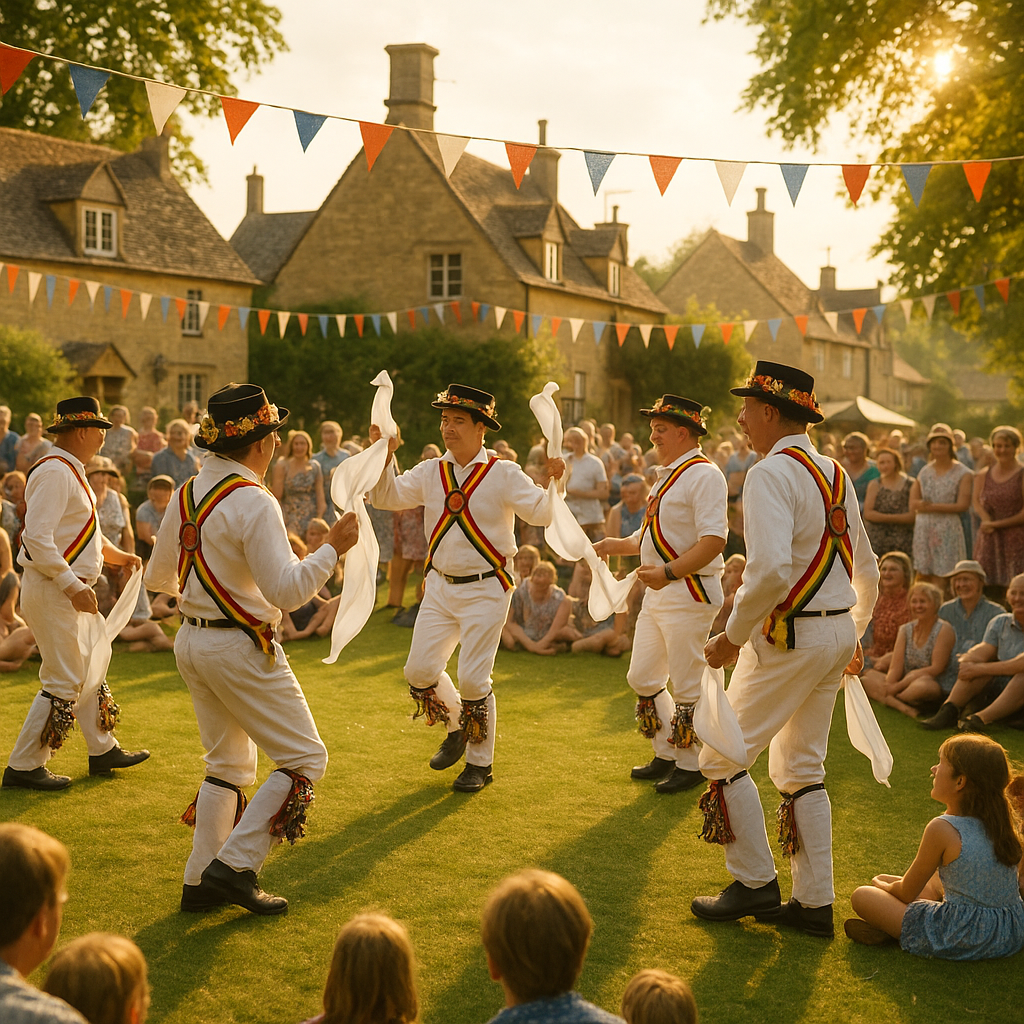
    Once considered the preserve of your eccentric uncle, Morris dancing has seen a genuine resurgence. New sides (that’s the proper term for a Morris group, since you ask) are springing up in cities and market towns alike. The bells, the handkerchiefs, the rhythmic thwacking of sticks – it’s all very therapeutic, apparently.

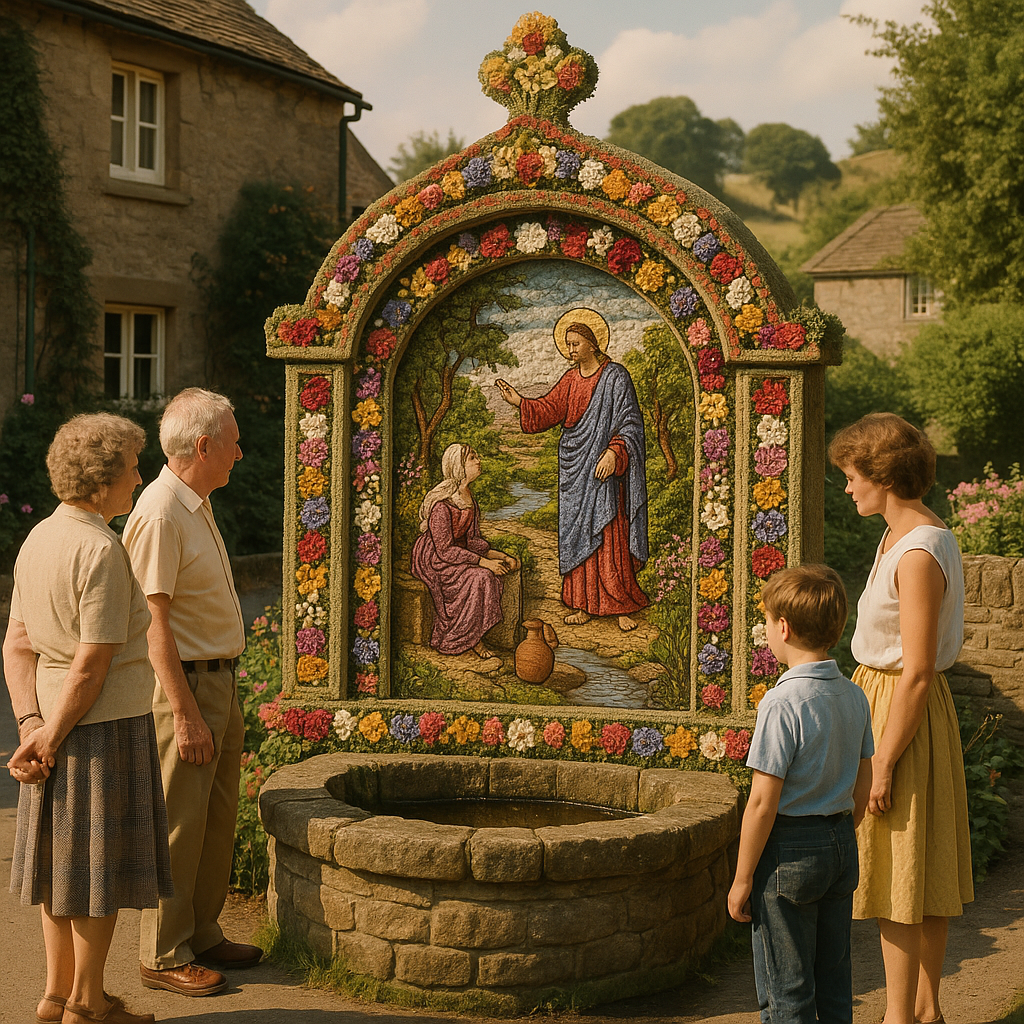
    Well Dressing in Derbyshire

    Villages across the Peak District spend weeks creating intricate floral pictures pressed into clay panels to decorate their water sources. It’s painstaking, beautiful, and utterly Derbyshire. Visitor numbers have climbed steadily as people look for authentic, locally rooted experiences rather than another identikit high street.

    The Role of Community in Keeping Traditions Alive

    What ties all of these British local traditions together is community. These events don’t survive by accident – they survive because people care enough to show up, volunteer, fundraise and occasionally make absolute fools of themselves for the greater good. Local councils, village halls and passionate individuals are the unsung heroes here.

    Getting the word out matters too. Smart communities are now using social media and local PR strategies to reach new audiences and attract visitors who’d never have stumbled across a well dressing or a tar barrel rolling otherwise. It’s old meets new, and it works a treat.

    Why These Traditions Matter More Than Ever

    In an age of endless scrolling and algorithmic everything, British local traditions offer something genuinely irreplaceable – a sense of place, of belonging, of shared daftness. They connect us to our ancestors, to our neighbours, and to the particular patch of ground we call home.

    Whether you’re a lifelong participant or someone who stumbled upon a Maypole on a Sunday walk and thought “go on then”, these traditions deserve your support. Get involved. Turn up. Wear the hat. Roll the cheese. Britain’s best customs are alive and kicking – and they’re better for having you in them.
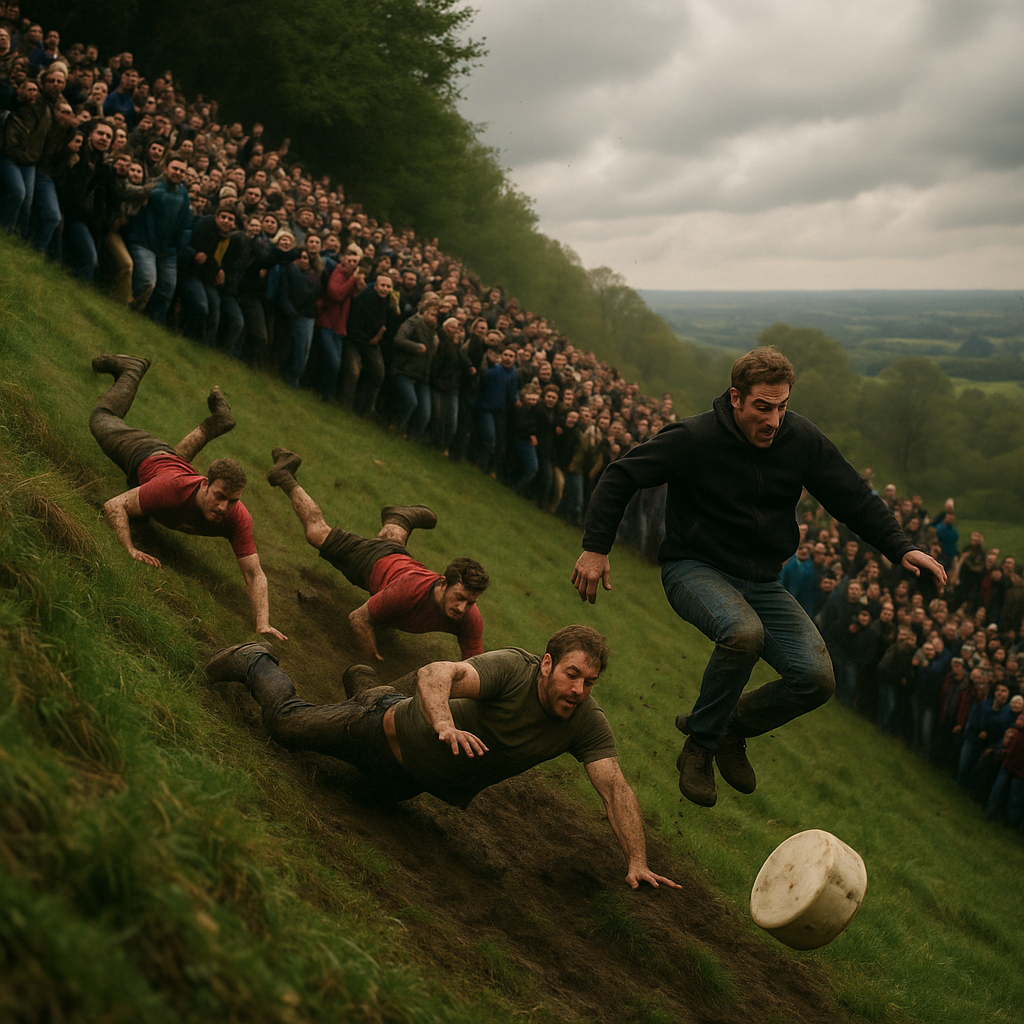
    Spectators watching cheese rolling as part of British local traditions on a Gloucestershire hillside
    Ornate well dressing display representing British local traditions in a Derbyshire Peak District village

    British local traditions FAQs

  • Should the UK Reopen Its Coal Mines? A Proper British Debate

    Should the UK Reopen Its Coal Mines? A Proper British Debate

    The question of whether we should reopen UK coal mines is one that gets people proper fired up – from ex-miners in South Yorkshire to green campaigners in Brighton. It’s a debate packed with nostalgia, economics, and a fair dollop of national identity. So let’s have a good rummage through it, shall we?

    A Brief History of British Coal

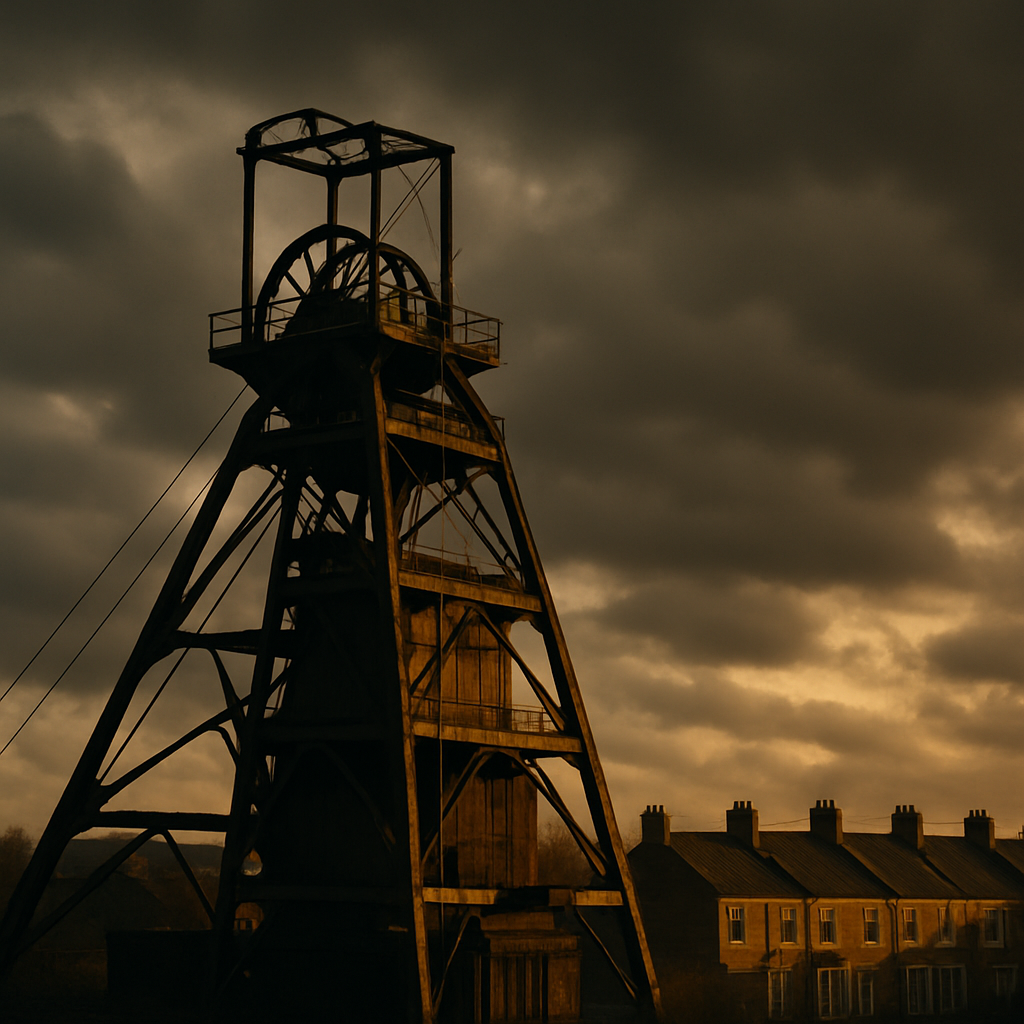
    Britain basically built the Industrial Revolution on the back of coal. For centuries, mining communities across Wales, Yorkshire, Durham, Scotland, and the Midlands were the beating heart of this nation. Pit villages had their own culture, their own pride, and frankly, their own language. Then came the 1980s, the miners’ strikes, the pit closures, and the slow, painful unravelling of an entire way of life. By the time the last deep coal mine – Kellingley Colliery in North Yorkshire – shut up shop in 2015, it felt like the end of a very long and complicated chapter.

    Why Some People Want to Reopen UK Coal Mines

    It might sound daft at first, but there are genuine arguments being made for bringing British mining back. The biggest one is energy security. When global gas prices go haywire and we’re relying on imports from countries that are, shall we say, a bit unreliable, having domestic energy sources starts to look rather sensible. Coking coal – the type used in steel production – is still imported in large quantities, and some argue that producing it domestically would be far more efficient and far less carbon-intensive than shipping it halfway around the world.

    There’s also the economic angle. Former mining towns have never truly recovered. Unemployment, deprivation, and a sense of being left behind have plagued these communities for decades. The idea of bringing jobs back – real, skilled, well-paid jobs – carries enormous emotional and political weight.

    The Arguments Against Reopening Mines

    Now, before you go dusting off your hard hat, there are some rather significant problems with the whole idea. Britain has made legally binding commitments to reach net zero carbon emissions. Coal is, unfortunately, about as clean as a muddy whippet after a rainstorm. Burning it pumps out enormous amounts of CO2, and even the most optimistic assessments of carbon capture technology admit it’s not yet ready to make coal viable at scale.

    Investors are also pretty reluctant to back new mining ventures in the UK. The financial case is shaky, the regulatory hurdles are mountainous, and the public mood – particularly among younger generations – is firmly against it. The 2022 planning saga around the Whitehaven coalmine in Cumbria showed just how divisive and drawn-out these decisions can be.

    Is There a Middle Ground?

    Some experts suggest a nuanced approach – focusing specifically on coking coal for industrial use rather than energy generation, and coupling any extraction with serious investment in carbon capture. Others argue the money would be far better spent retraining former mining communities for green energy roles – wind turbine technicians, solar installers, and the like.

    There’s also a strong case for simply being honest with those communities. The jobs lost in the 1980s were never properly replaced, and any serious conversation about whether to reopen UK coal mines has to start by acknowledging that failure.

    So, What’s the Verdict?

    Straight answer? It’s complicated, innit. The romantic in all of us might fancy the idea of those pit wheels turning again, but the practical realities – climate targets, economics, and global energy trends – make a full-scale coal revival look like a very long shot. That said, the debate is far from over, and the communities at the centre of it deserve far better than to be ignored yet again.

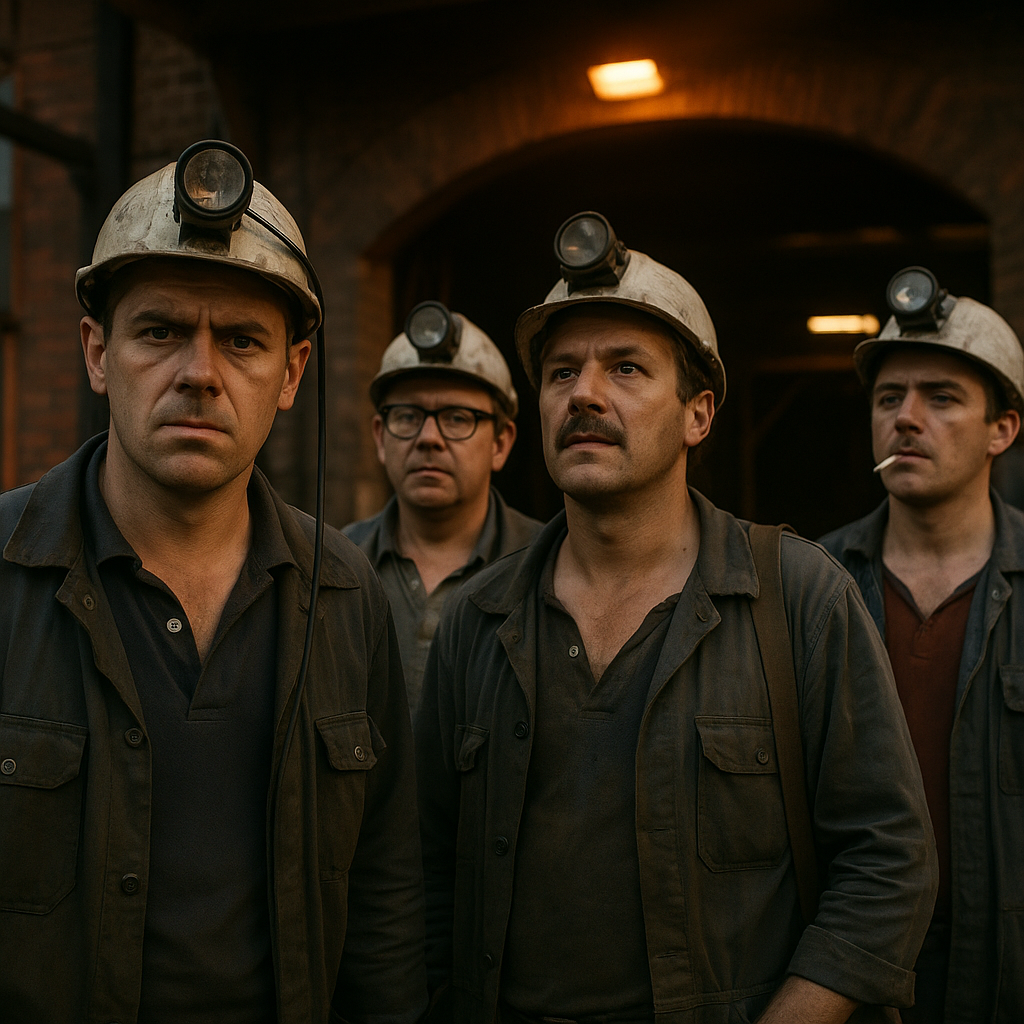
    British miners outside a colliery entrance in the debate over whether to reopen UK coal mines
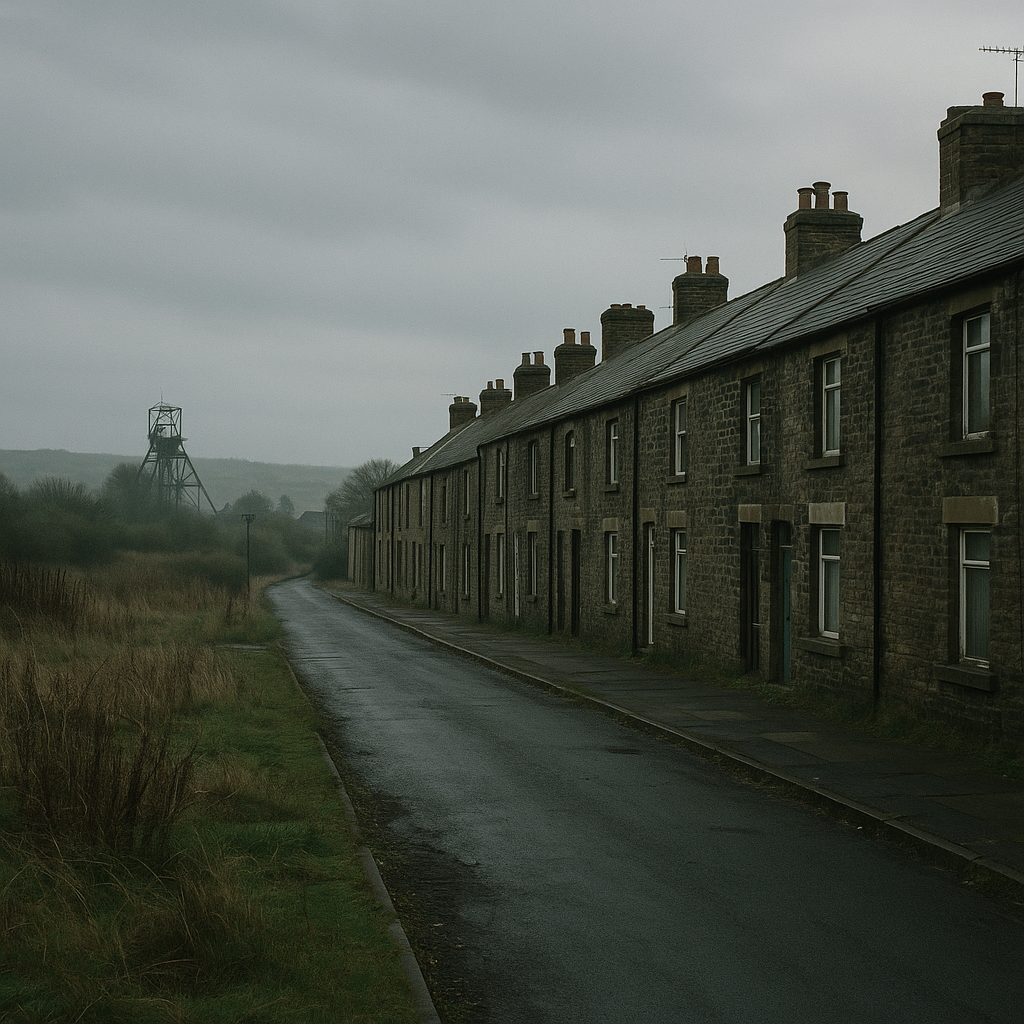
    Abandoned pit village in northern England symbolising the legacy of the push to reopen UK coal mines

    Reopen UK coal mines FAQs

    When did the last UK coal mine close?

    Kellingley Colliery in North Yorkshire, often nicknamed ‘Big K’, closed in December 2015. It was the last deep coal mine operating in Britain, marking the end of an era for the industry that had powered the country for centuries.

    What was the Whitehaven coalmine controversy about?

    The proposed Whitehaven coalmine in Cumbria sparked a lengthy planning and political battle. Supporters argued it would produce coking coal for the UK steel industry, reducing imports. Critics said it contradicted the UK’s climate commitments. Planning permission was eventually granted but the project faced continued legal and financial challenges.

    Could former mining communities benefit if we reopen UK coal mines?

    In theory, reopening UK coal mines could bring skilled jobs back to communities that have struggled since the pit closures of the 1980s and 1990s. However, many economists argue that investing in green energy industries would create more sustainable, long-term employment in those same areas without the environmental trade-offs.

  • Britain’s Coal Mining History: From Pit Village To Powerhouse

    Britain’s Coal Mining History: From Pit Village To Powerhouse

    Britain’s coal mining history is woven into the fabric of the country, from soot-stained pit villages to the grand Victorian town halls built on black gold. Even if you have never set foot near a colliery, you are living with its legacy every time you flick on a light or jump on a train.

    How Britain’s coal mining history began

    Coal has been dug in Britain since medieval times, but it was the Industrial Revolution that turned a grubby rock into a national obsession. As steam engines puffed into life and factories sprang up across the country, coal became the fuel that powered almost everything. Coastal seams in Northumberland and Durham were among the first to be heavily worked, with wagons trundling down to the Tyne and Wear to feed ships bound for London and beyond.

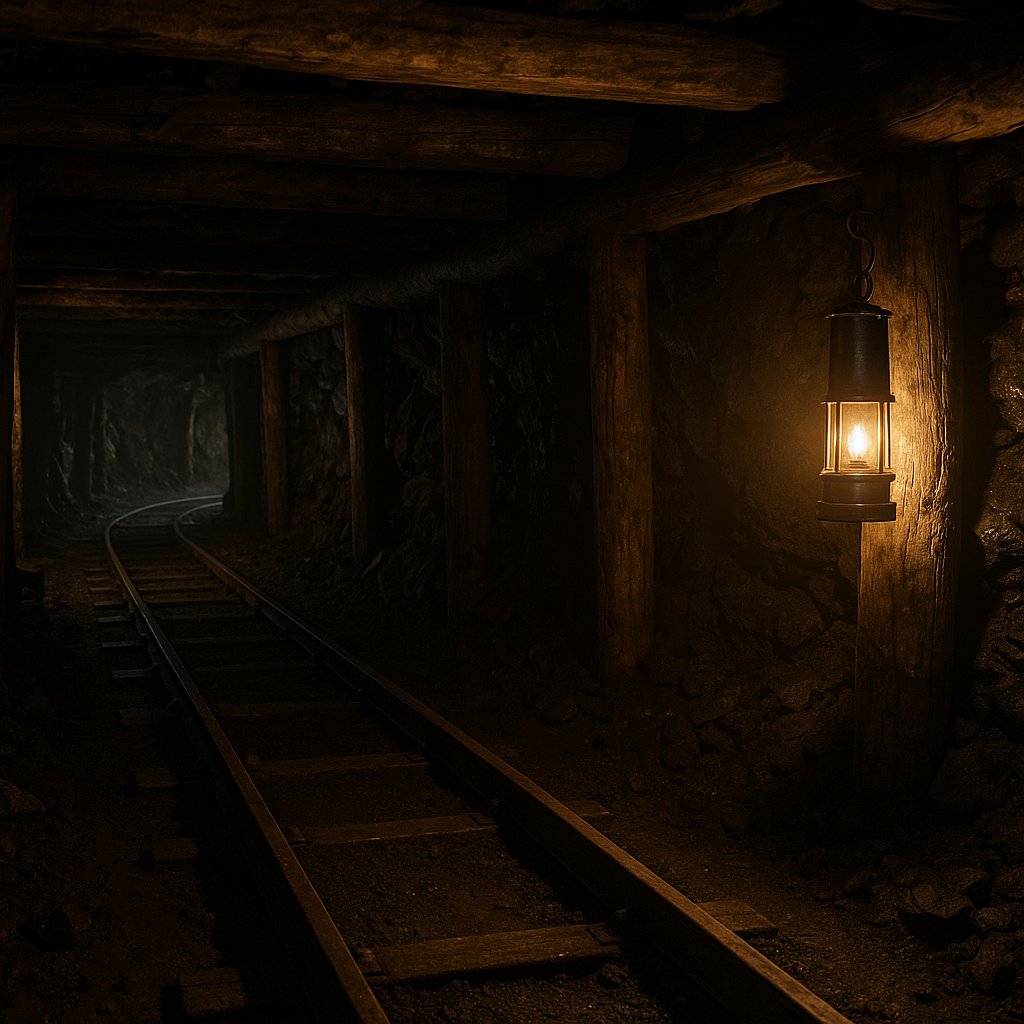
    Early pits were terrifyingly basic. Miners scrambled down wooden ladders with candles stuck to their caps, praying the roof would hold. Ventilation was poor, gas was common, and safety rules were more of a polite suggestion than anything else. Still, the pay was better than farm work, so families flocked to the pits, and whole communities grew up around the collieries.

    Life in the pit villages

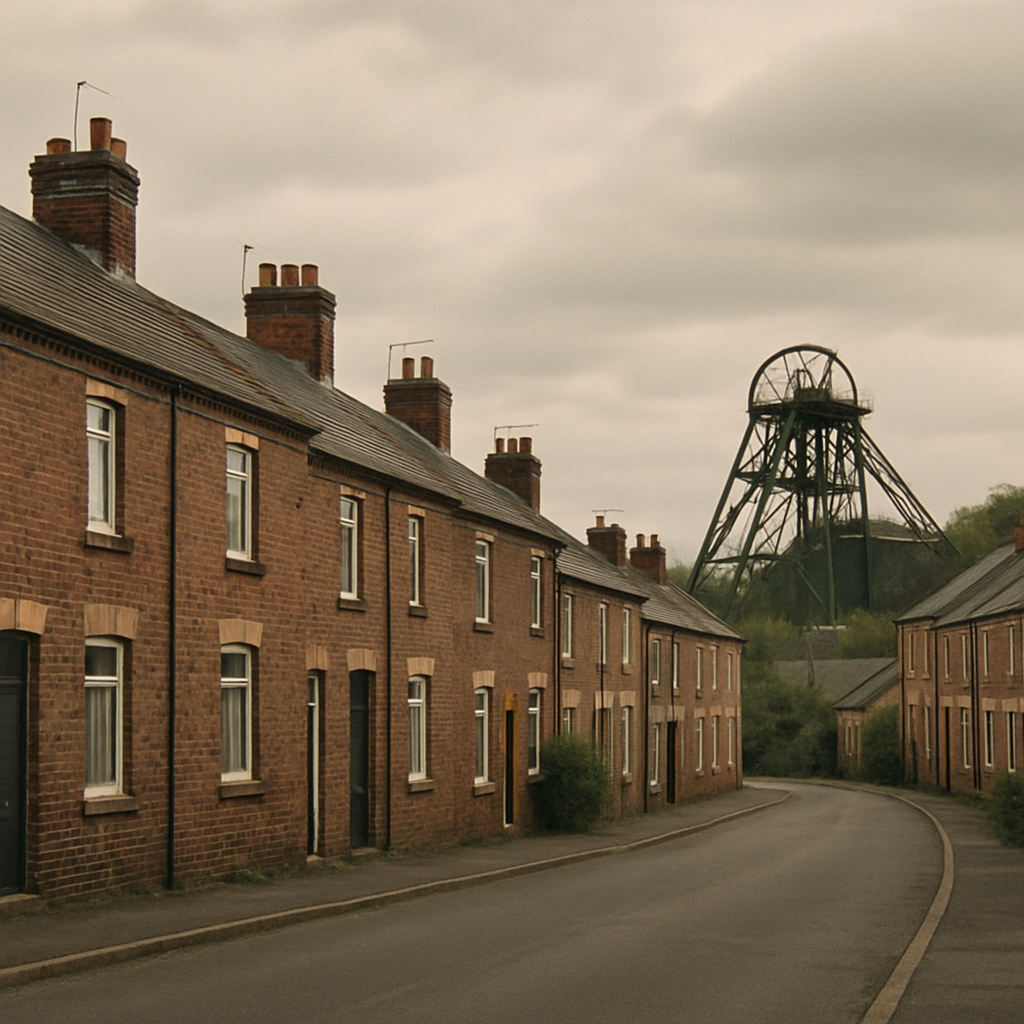
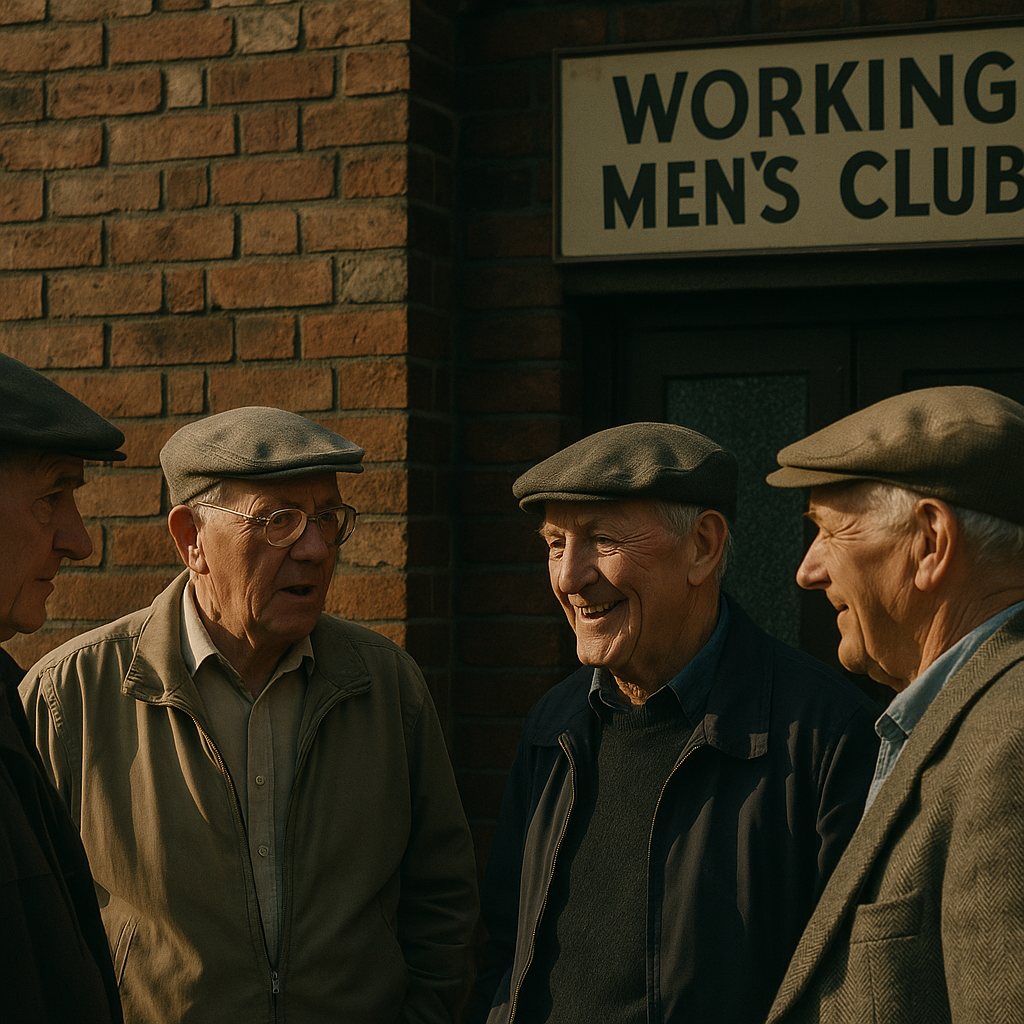
    A huge part of Britain’s coal mining history is the pit village. Rows of terraced houses, a working men’s club, a chapel on every corner, and a football pitch that doubled as a social club on Saturdays. The colliery was the beating heart of it all. If the pit closed for a day, the whole village felt it.

    Work was hard, filthy and dangerous. Shifts were long, backs were ruined, and lungs filled with coal dust. But there was a fierce sense of solidarity. Miners shared tools, food, and gossip, and the union was as important as the local pub. Brass bands, choirs and colliery football teams added a touch of pride and glamour to otherwise tough lives.

    Women kept the show on the road. They ran homes on tight budgets, took in washing, and lined the streets during disputes, banging pots and pans in support. Kids would earn a few bob picking coal off spoil heaps, coming home so black their own mums barely recognised them.

    Coal, power and conflict

    By the early twentieth century, coal underpinned Britain’s global power. It drove ships, fuelled factories and kept homes warm through grim winters. It also made a lot of people very rich. Unsurprisingly, that did not always trickle down to the miners at the coalface.

    Strikes and disputes are a central thread in Britain’s coal mining history. Miners fought for safer conditions, fairer pay and shorter hours, often at great personal cost. The General Strike of 1926 and later battles over pit closures left deep scars in mining communities, but also forged a strong tradition of working class organisation and political clout.

    After nationalisation in the mid twentieth century, coal mining became a symbol of public ownership and industrial pride. New machinery, deeper pits and modernised facilities arrived, but so did competition from oil, gas and imported coal. When closures accelerated and the famous miners’ strike hit in the 1980s, many villages saw their entire way of life hanging by a thread.

    What remains of Britain’s coal mining history today

    Most deep pits have gone, and with them the daily rumble of cage lifts and coal wagons. Yet the imprint of the industry is everywhere. Former spoil heaps have been turned into country parks, pit heads into landmarks, and old railways into walking and cycling routes. Some colliery buildings have been transformed into museums and heritage centres, preserving stories that would otherwise vanish.

    For many families, the connection is personal. Grandad’s lamp on the mantelpiece, a brass tally hanging in the hallway, or a faded photo of a colliery band in its Sunday best. Even in places where the pit head has long been demolished, street names, memorials and community centres still nod to the mining past.

    Former miners sharing stories about Britains coal mining history outside a working mens club
    Underground colliery tunnel representing Britains coal mining history

    Britain’s coal mining history FAQs

    When did Britains coal mining history really take off?

    Coal was mined in Britain for centuries, but it truly took off during the Industrial Revolution, when steam engines, factories and railways created a huge demand for fuel. From the late eighteenth century onwards, deep pits and large collieries spread across regions like South Wales, the North East, Yorkshire and the Midlands.

    What was life like in coal mining communities?

    Life in coal mining communities was tough but tightly knit. Work underground was dangerous and physically demanding, yet pit villages had a strong sense of solidarity, with unions, brass bands, choirs and local clubs at the centre of social life. Families often depended on the mine for housing, income and community facilities.

    Why did coal mines close across Britain?

    Coal mines closed for a mix of economic and political reasons, including competition from cheaper imported coal, the rise of oil and gas, environmental concerns and the cost of modernising ageing pits. As demand fell and running costs rose, many collieries were deemed uneconomic and shut, reshaping former mining regions in the process.