
Britain’s coal mining history is woven into the fabric of the country, from soot-stained pit villages to the grand Victorian town halls built on black gold. Even if you have never set foot near a colliery, you are living with its legacy every time you flick on a light or jump on a train.
How Britain’s coal mining history began
Coal has been dug in Britain since medieval times, but it was the Industrial Revolution that turned a grubby rock into a national obsession. As steam engines puffed into life and factories sprang up across the country, coal became the fuel that powered almost everything. Coastal seams in Northumberland and Durham were among the first to be heavily worked, with wagons trundling down to the Tyne and Wear to feed ships bound for London and beyond.
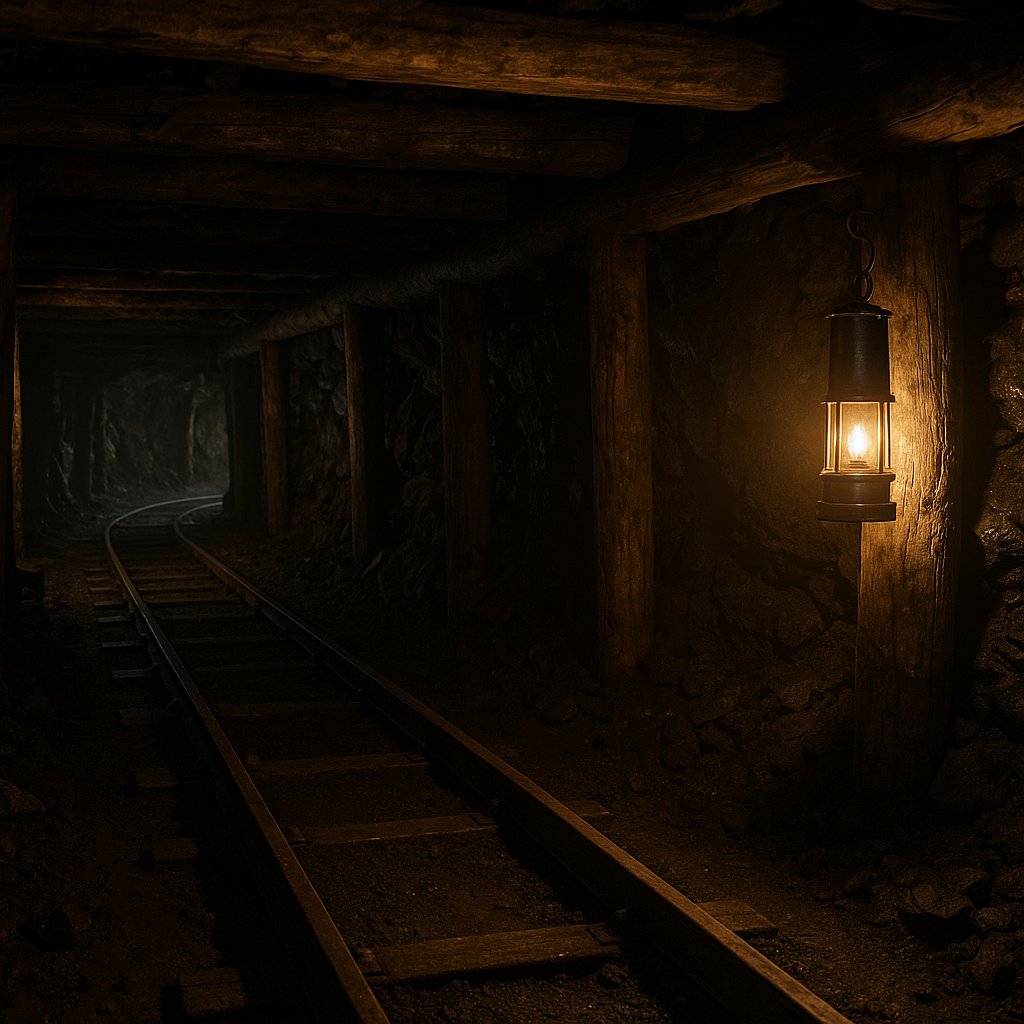
Early pits were terrifyingly basic. Miners scrambled down wooden ladders with candles stuck to their caps, praying the roof would hold. Ventilation was poor, gas was common, and safety rules were more of a polite suggestion than anything else. Still, the pay was better than farm work, so families flocked to the pits, and whole communities grew up around the collieries.
Life in the pit villages
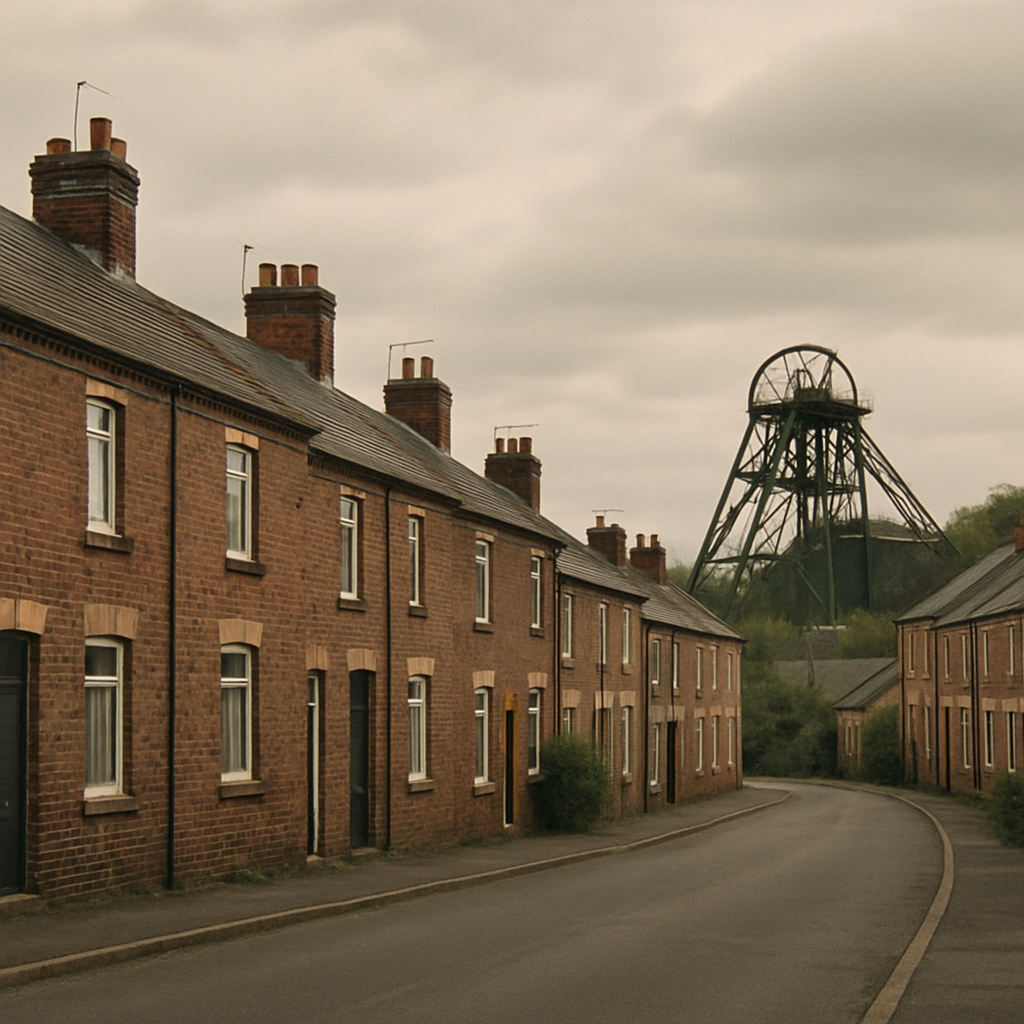
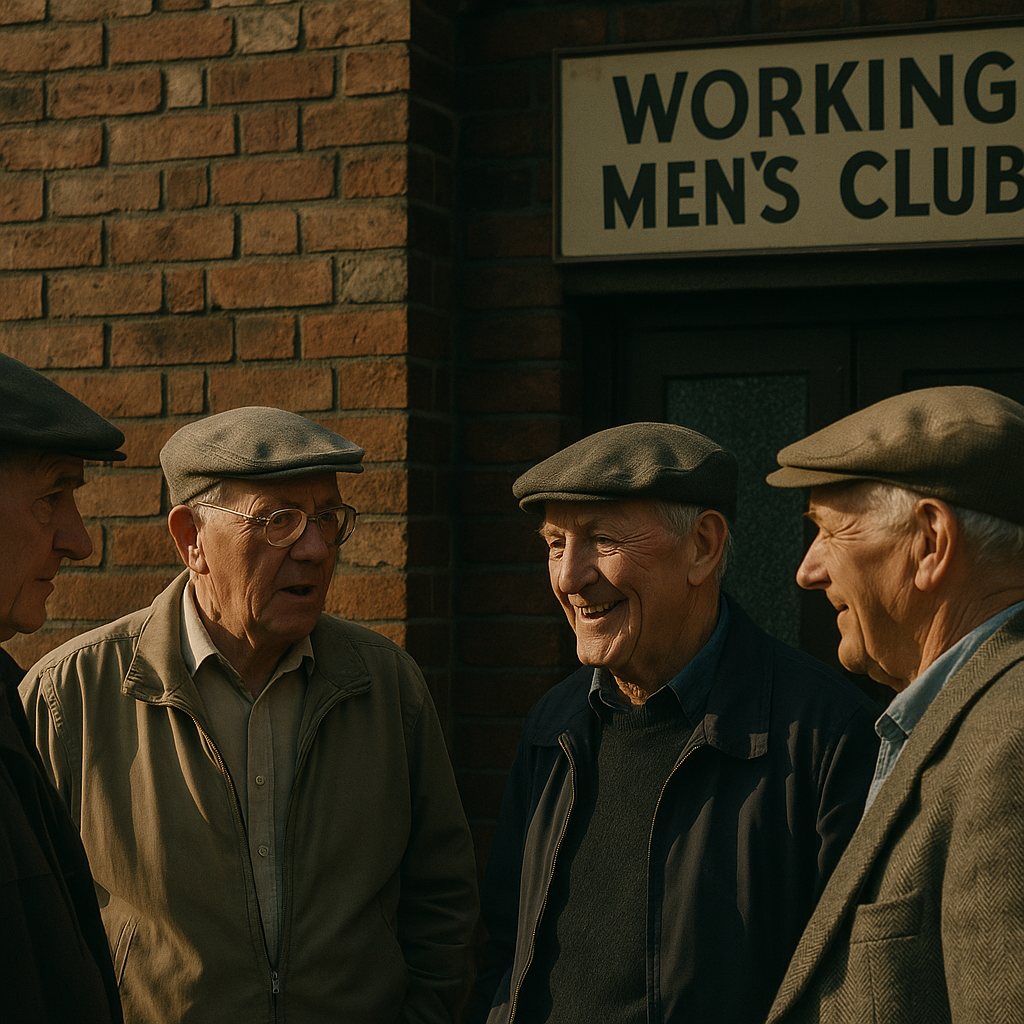
A huge part of Britain’s coal mining history is the pit village. Rows of terraced houses, a working men’s club, a chapel on every corner, and a football pitch that doubled as a social club on Saturdays. The colliery was the beating heart of it all. If the pit closed for a day, the whole village felt it.
Work was hard, filthy and dangerous. Shifts were long, backs were ruined, and lungs filled with coal dust. But there was a fierce sense of solidarity. Miners shared tools, food, and gossip, and the union was as important as the local pub. Brass bands, choirs and colliery football teams added a touch of pride and glamour to otherwise tough lives.
Women kept the show on the road. They ran homes on tight budgets, took in washing, and lined the streets during disputes, banging pots and pans in support. Kids would earn a few bob picking coal off spoil heaps, coming home so black their own mums barely recognised them.
Coal, power and conflict
By the early twentieth century, coal underpinned Britain’s global power. It drove ships, fuelled factories and kept homes warm through grim winters. It also made a lot of people very rich. Unsurprisingly, that did not always trickle down to the miners at the coalface.
Strikes and disputes are a central thread in Britain’s coal mining history. Miners fought for safer conditions, fairer pay and shorter hours, often at great personal cost. The General Strike of 1926 and later battles over pit closures left deep scars in mining communities, but also forged a strong tradition of working class organisation and political clout.
After nationalisation in the mid twentieth century, coal mining became a symbol of public ownership and industrial pride. New machinery, deeper pits and modernised facilities arrived, but so did competition from oil, gas and imported coal. When closures accelerated and the famous miners’ strike hit in the 1980s, many villages saw their entire way of life hanging by a thread.
What remains of Britain’s coal mining history today
Most deep pits have gone, and with them the daily rumble of cage lifts and coal wagons. Yet the imprint of the industry is everywhere. Former spoil heaps have been turned into country parks, pit heads into landmarks, and old railways into walking and cycling routes. Some colliery buildings have been transformed into museums and heritage centres, preserving stories that would otherwise vanish.
For many families, the connection is personal. Grandad’s lamp on the mantelpiece, a brass tally hanging in the hallway, or a faded photo of a colliery band in its Sunday best. Even in places where the pit head has long been demolished, street names, memorials and community centres still nod to the mining past.
Britain’s coal mining history FAQs
When did Britains coal mining history really take off?
Coal was mined in Britain for centuries, but it truly took off during the Industrial Revolution, when steam engines, factories and railways created a huge demand for fuel. From the late eighteenth century onwards, deep pits and large collieries spread across regions like South Wales, the North East, Yorkshire and the Midlands.
What was life like in coal mining communities?
Life in coal mining communities was tough but tightly knit. Work underground was dangerous and physically demanding, yet pit villages had a strong sense of solidarity, with unions, brass bands, choirs and local clubs at the centre of social life. Families often depended on the mine for housing, income and community facilities.
Why did coal mines close across Britain?
Coal mines closed for a mix of economic and political reasons, including competition from cheaper imported coal, the rise of oil and gas, environmental concerns and the cost of modernising ageing pits. As demand fell and running costs rose, many collieries were deemed uneconomic and shut, reshaping former mining regions in the process.