
Right, let’s have a proper chat about something that’s been doing people’s heads in for years – email deliverability. You’ve spent ages crafting the perfect message, hit send with a satisfied cuppa in hand, and then… nothing. Tumbleweeds. Turns out your email never made it past the spam filter and is sitting in someone’s junk folder next to a dodgy offer for a Nigerian prince’s fortune. Lovely.

What Even Is Email Deliverability?
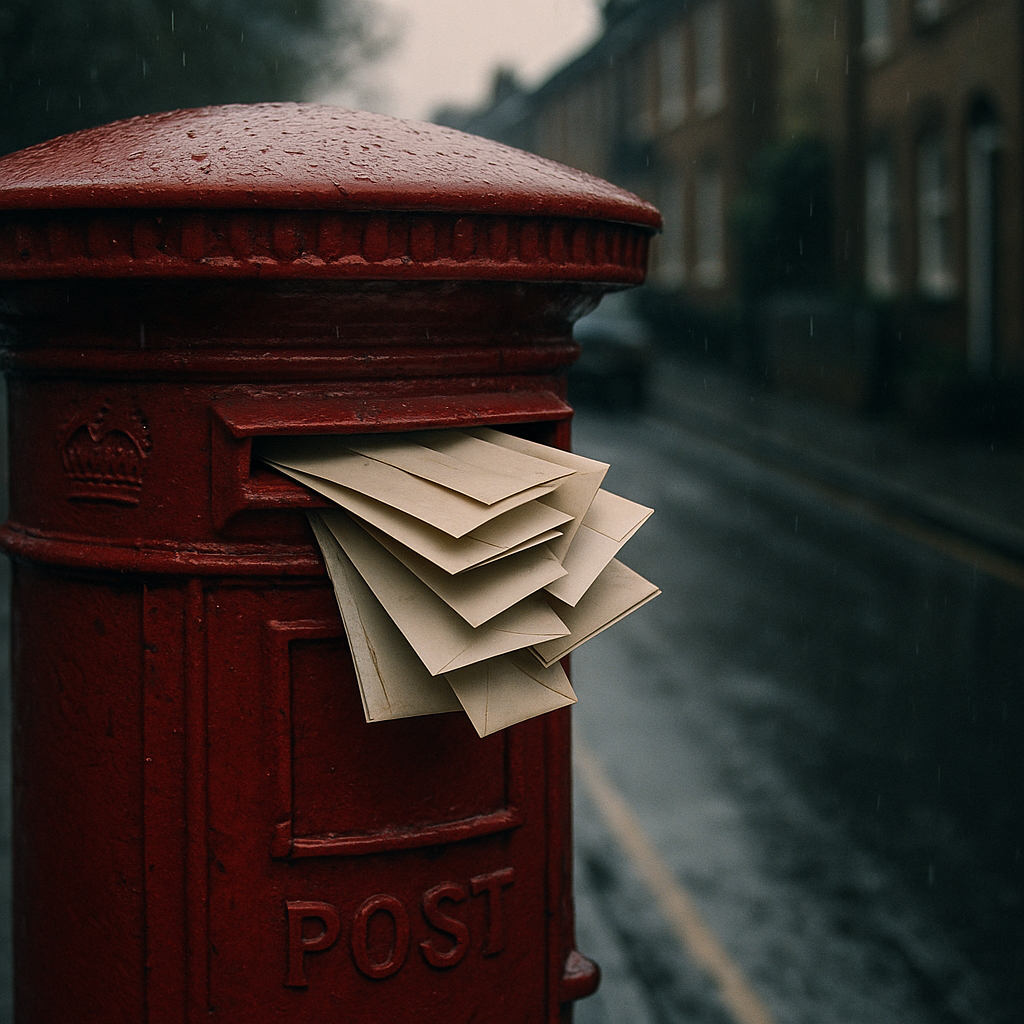
In plain English, email deliverability is the ability of your emails to actually land in someone’s inbox rather than getting binned by spam filters before the recipient so much as claps eyes on it. It’s not just about hitting send – it’s about whether your message completes the journey. Think of it like posting a letter. You can write the best letter in Britain, but if the address is dodgy or the postman doesn’t trust you, it’s going straight in the skip.
For businesses, charities, newsletters, and anyone who relies on email to keep in touch, poor email deliverability is a proper nightmare. You could be losing customers, missing important conversations, or looking like you’ve gone completely silent – all without realising it.
Why Do Emails End Up in Spam?
There are a fair few reasons your emails might be getting the cold shoulder from inboxes across the land. Here’s the main culprits:
- Dodgy sender reputation – If your domain or IP address has been flagged before, mail servers will treat you like a suspicious bloke loitering outside a chip shop.
- Spammy subject lines – All caps, excessive exclamation marks, or words like “FREE!!!” are red flags that’ll get you filtered faster than you can say “British Rail delay”.
- No authentication records – Things like SPF, DKIM, and DMARC are technical settings that prove to mail servers you are who you say you are. Without them, you’re just some random, aren’t you.
- High bounce rates – Sending to old or invalid addresses tanks your reputation quicker than a soggy biscuit.
- Poor engagement – If people consistently ignore or delete your emails, mail providers take note and start routing you to spam automatically.
How to Check and Improve Your Email Deliverability
The good news is there are practical steps you can take to get your email deliverability back on track and stop your messages getting ghosted. First, clean up your mailing list regularly – remove bounced addresses and inactive subscribers. It’s a bit like having a proper tidy of the kitchen junk drawer. You’ll feel better for it.
Next, make sure your technical authentication is set up properly. Your hosting provider or IT person can help you configure SPF, DKIM, and DMARC records. It sounds technical, but it’s genuinely one of the most effective things you can do.
Tools like Mail Tester can be cracking useful here – they let you test your emails before you send them out to the masses, scoring your setup and flagging any issues that might cause your message to get lost in the ether. Worth a look if you’re serious about getting into people’s inboxes.
Also, keep your content relevant and engaging. If subscribers actually want to read what you’re sending, they’ll open it, and that positive engagement signals to mail providers that you’re the real deal – not some spammer flogging knock-off biscuit tins.
A Quick Word on Consistency
Email deliverability isn’t a one-time fix – it’s an ongoing effort, much like maintaining a classic British garden. You can’t plant the roses and then ignore them. Send consistently, monitor your open rates, and keep an eye on any bounce or complaint notifications. The more trustworthy your sending habits, the better your reputation over time.
Bottom line – don’t let your carefully written emails gather digital dust in someone’s spam folder. A bit of housekeeping and the right tools can make a massive difference, and your inbox response rate will thank you for it.

Email deliverability FAQs
What is the main cause of poor email deliverability?
The most common causes include a poor sender reputation, missing email authentication records such as SPF and DKIM, spammy subject lines, and high bounce rates from invalid addresses. Sorting out your technical setup and keeping your mailing list clean are the best starting points.
How can I test my email deliverability before sending a campaign?
There are online tools designed specifically for this purpose that analyse your email setup and flag potential issues before you send. They check things like authentication, spam score, and content problems, giving you a chance to fix anything dodgy beforehand.
Does the size of my mailing list affect email deliverability?
Not directly, but the quality of your list absolutely does. A large list full of inactive or invalid addresses will harm your sender reputation over time. It’s far better to have a smaller, engaged audience than thousands of contacts who never open your emails.