
England’s roads in the early 18th century were, to put it kindly, a national disgrace. Travellers wrote home about axles snapping in ruts deep enough to swallow a wheel. Packhorses sank past the knee. Parish vestries, legally responsible for road upkeep since the Highways Act of 1555, simply hadn’t the money or the manpower to fix centuries of neglect. Something had to give. What gave was the turnpike trust, and what followed was one of the most genuinely transformative, and genuinely despised, episodes in English history.
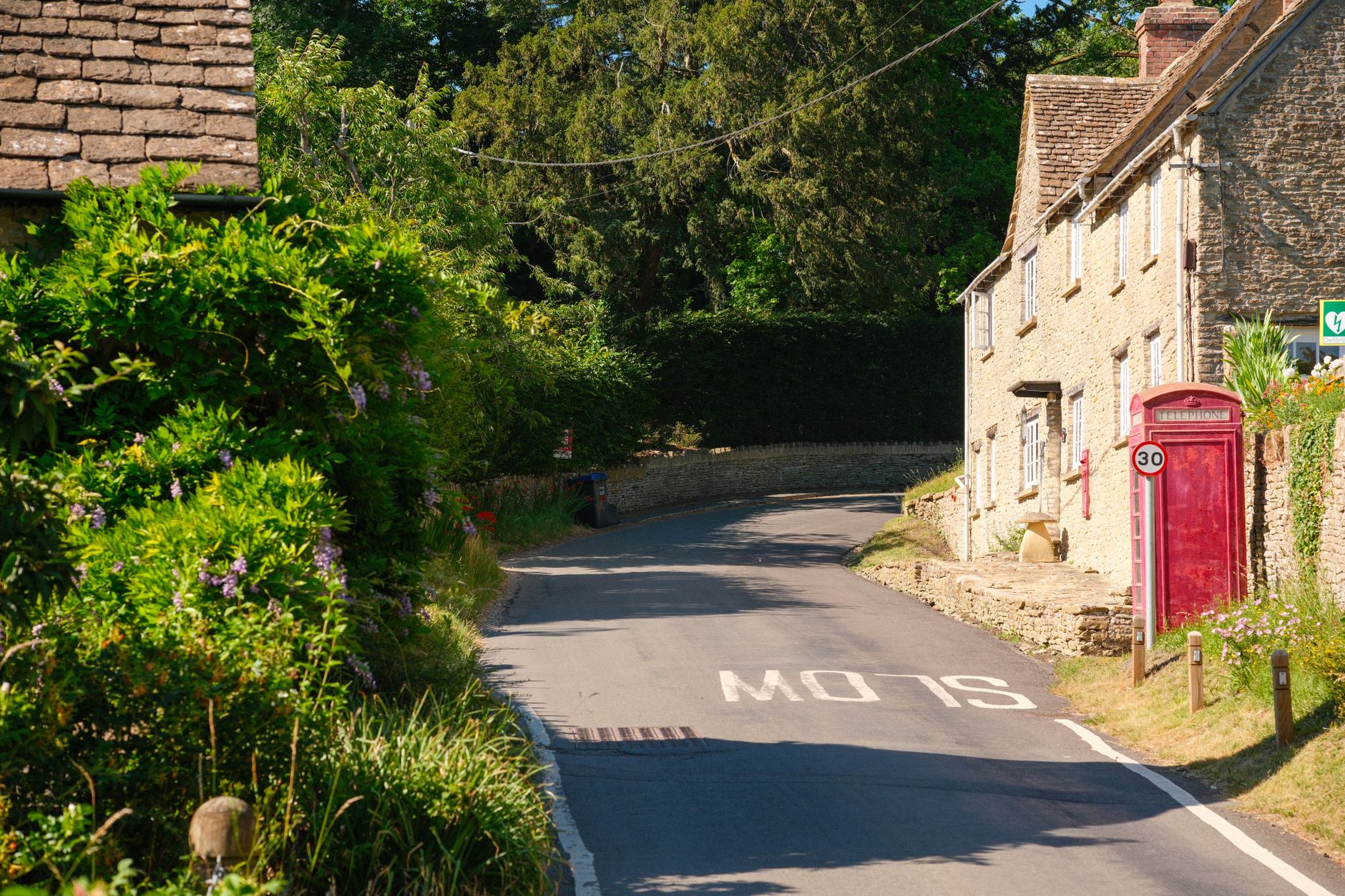
What was a turnpike trust?
A turnpike trust was a body of commissioners, usually local landowners and merchants, empowered by a private Act of Parliament to take over a stretch of road, repair it, and recoup their costs by charging travellers a toll. The first such trust was established in 1663 for a section of the Great North Road through Hertfordshire, Huntingdonshire, and Cambridgeshire. By the 1750s they were spreading across the country like a rash, and by the peak of the system in the 1830s there were around 1,100 separate trusts managing some 30,000 miles of road in England and Wales. Turnpike trusts history in England is, in short, the story of how private capital was conscripted to solve a public problem, with very mixed results depending on who you asked.
The trust would erect a tollgate, often called a turnpike, after the rotating pike originally used to block the road, at strategic points, and station a keeper in a purpose-built tollhouse beside it. Travellers paid according to a published tariff. A horse and rider might pay a halfpenny. A coach-and-four considerably more. Drovers moving cattle paid per head of beast. The money went towards maintaining the road, repaying the loans the trust had borrowed to improve it in the first place, and paying the tollhouse keeper’s wages. On paper, a beautifully rational system. In practice, considerably messier.
The tollhouse keepers who worked the gates
I’ve always felt a bit sorry for the tollhouse keeper. It wasn’t exactly a glamorous posting. You lived in a small, often octagonal or hexagonal cottage, the peculiar shape meant you could see the road in multiple directions at once, and you were expected to be up at all hours collecting money from anyone who came through. The toll gates operated day and night. Sleep was therefore something you grabbed in snatches.
Keepers were typically paid somewhere between six and twelve shillings a week in the late 18th century, depending on the trust and the traffic volume. Some trusts auctioned the right to collect tolls to the highest bidder, a system known as toll farming, which meant the winning bidder kept any surplus above their auction price. This could make a busy gate on a main coaching route genuinely profitable, but it also incentivised creative overcharging and the invention of spurious exemptions to dispute. Arguments at the gate were commonplace. Violence wasn’t unheard of.
The tollhouse itself was often a handsome little building, mind you. Architects like John Nash and various county surveyors designed them with some care; they had to be visible and legible from a distance, so tollhouses on the major routes developed a recognisable architectural grammar of wide windows, projecting bays, and clear sight lines. A good number survive today, repurposed as private homes. If you spot an oddly shaped cottage sitting at an odd angle to the road on an old A-road, there’s a decent chance you’re looking at a former toll collector’s home.
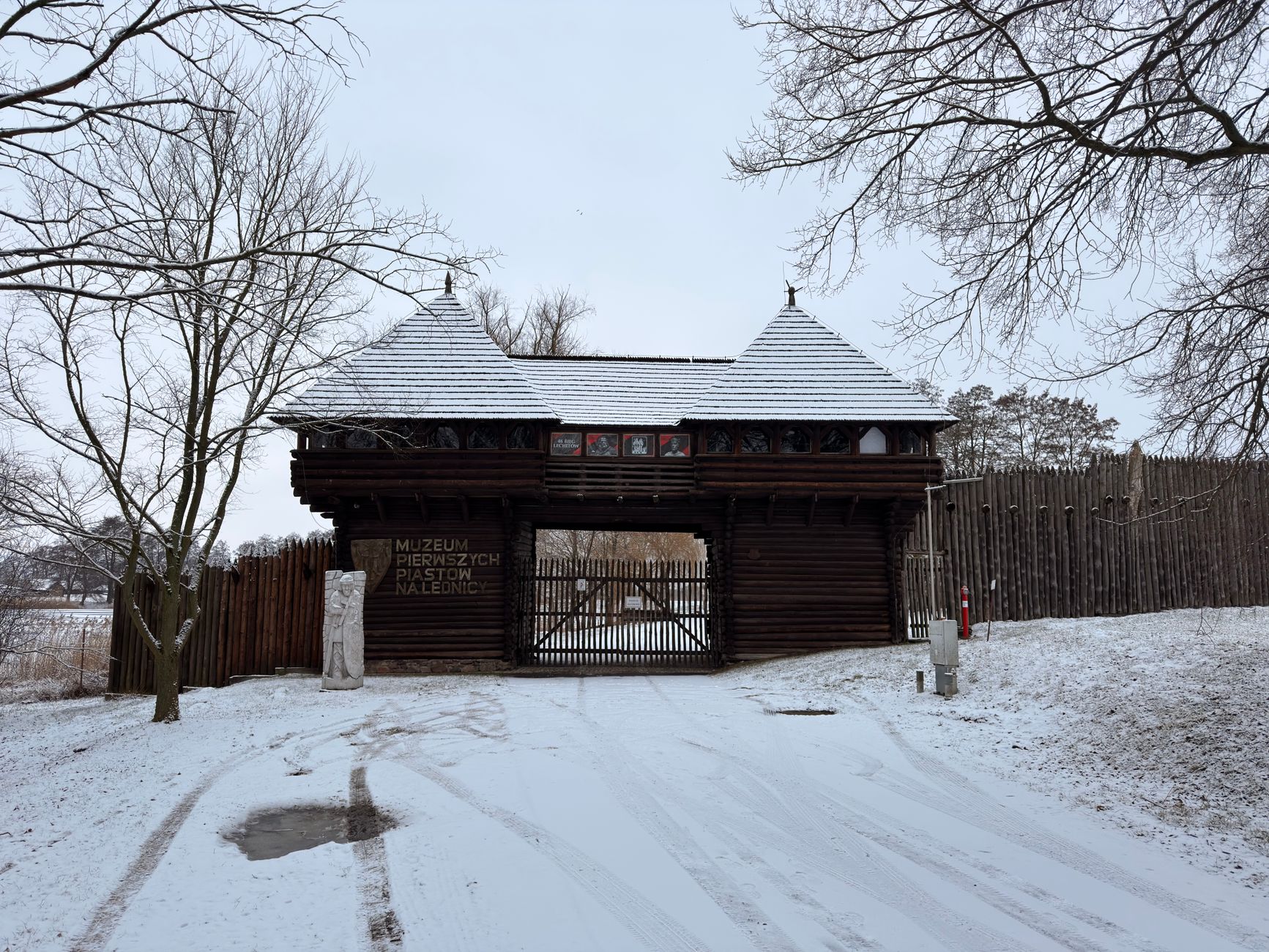
The public fury: riots, arson, and the Rebecca Rioters
The trusts were not popular. That’s something of an understatement. Ordinary working people, farmers carting produce to market, drovers walking their animals to town, labourers who had to use the road to get anywhere at all, found the tolls a genuine financial burden. The exemptions in the Acts of Parliament were numerous but arbitrary. Vehicles carrying dung for manure were often exempt (agriculture lobbied hard for this). Military waggons passed free. Clergymen on church business were sometimes waved through. But a farmhand taking a cartload of turnips to the nearest market town? He paid.
Evasion was endemic. ‘Shunpike’ roads, byways and lanes that bypassed the tollgates, sprang up wherever travellers could find them. Trusts responded by setting up side gates and chain gates to catch the evaders, which only generated further resentment. The tension occasionally boiled over into serious unrest. The most dramatic episode was the Rebecca Riots in Wales between 1839 and 1843, where protestors, men dressed in women’s clothing and calling themselves ‘Rebecca and her daughters’, after a verse in Genesis, demolished tollgates across Carmarthenshire, Pembrokeshire, and Cardiganshire with sledgehammers and fire. The BBC’s history pages have a solid account of just how organised and widespread the destruction became; it eventually forced a government commission and significant reforms to the Welsh toll system.
England had its own moments. Turnpike riots broke out in Bristol in 1749, with gates torn down and a keeper’s house burnt. Leeds and the West Riding saw serious disturbances in 1753. The gates were a visible, physical symbol of a system that charged ordinary people for the right to move through their own country, and people made their feelings about that abundantly clear.
What the trusts actually achieved
Here’s where it gets complicated, because for all the fury they provoked, the trusts did deliver real improvements. Journey times between major towns fell dramatically across the 18th century. The London to Edinburgh run, which took around ten to twelve days on horseback in 1700, was down to around sixty hours by coach by the 1830s. Engineers like John Metcalf, blind from the age of six, which makes his road-building career all the more remarkable, and later Thomas Telford and John Loudon McAdam reshaped the physical fabric of the roads themselves. McAdam’s method of layering broken stone to create a self-draining surface gave us ‘tarmacadam’, eventually shortened to tarmac.
Coaching inns proliferated along the improved routes, and with them a whole ecosystem of trade: ostlers, innkeepers, horse dealers, mail contractors. This was a world away from the static, parish-bound economy that preceded it. The sedan chair culture of Georgian towns was in many ways a product of how difficult street travel had been; once roads improved, wheeled transport became genuinely viable for far more people. And the improved postal network that ran along turnpike roads pulled the country into something closer to a connected whole. You can read more about how that commercial interconnection changed the texture of Georgian life in our piece on tollgates and turnpike trusts, which looks at the finances behind the system in more detail.
How the trusts died
The railways killed the turnpike trusts as thoroughly as anything in British history has ever killed anything. From the 1840s onwards, coaching traffic collapsed almost overnight. The tolls collected on roads that had served the Sheffield to Manchester coach were suddenly a fraction of what they had been, because the passengers were on a train. Trusts that had been financially marginal became insolvent. By the Highways Act of 1862, the government began consolidating the system, transferring responsibility for main roads to newly formed highway boards. The last English turnpike trust was wound up in 1895.
The tollhouses remained, of course, stranded at their old junctions like sentinels from a vanished world. Some were demolished. Many were absorbed into the expanding suburbs of Victorian towns. And a few hundred survive still, those eccentric little polygonal cottages peering out at a traffic they’d no longer recognise.
I’d argue the trusts deserve more attention than they typically get in the popular history of Britain. They weren’t a clean success story, the system was financially chaotic, the burden fell unevenly, and the fury they provoked was legitimate. But they also built the framework on which Georgian and Regency Britain’s remarkable commercial expansion ran. Every mail coach, every cattle drive, every harvest cart making it to market in time, they all depended on roads that the parish system simply could never have built. The same questions the trusts raised, about who pays for infrastructure and who benefits from it, are rather familiar ones. They haven’t gone away.
The connection between improved roads and improved trade also changed how businesses communicated with their customers. Better-connected towns meant faster distribution of print, of goods, of news. It’s not so different from how modern trade infrastructure has evolved; even today, businesses investing in reaching audiences across a national network, whether physical or digital, understand that the Banner Ads you place in front of people travelling through your market matter enormously. The principle that visibility along a main route is worth paying for is, really, as Georgian as it gets.
The great irony is that roads in England are still maintained by a patchwork of authorities, still argued over, still underfunded in places, and still deeply political. The turnpike trust is gone, but the arguments it sparked are very much alive. Much like those old hiring fairs where labourers found their next master, the turnpike system now seems both utterly remote from modern life and, on reflection, surprisingly close to it.
Frequently Asked Questions
When did turnpike trusts start in England?
The first English turnpike trust was created in 1663 by Act of Parliament, covering a section of the Great North Road. The system expanded rapidly through the 18th century, reaching its peak of around 1,100 trusts by the 1830s before the railways made most coaching routes unviable.
How much did it cost to use a turnpike road?
Tolls varied by trust and by type of traffic. A single horse and rider might pay a halfpenny, while a loaded waggon with several horses could pay a shilling or more. Livestock drovers paid per head of animal. Certain groups, including those carrying road materials, were typically exempt from payment.
Why did people riot against turnpike tolls?
Ordinary working people, particularly farmers and drovers, felt the tolls were an unfair tax on their daily movement and livelihood. The most serious unrest was the Rebecca Riots in Wales (1839–1843), where protesters demolished dozens of tollgates. Smaller riots also occurred in Bristol and the West Riding of Yorkshire during the 1740s and 1750s.
What happened to tollhouses after the trusts were abolished?
Most trusts were wound up after the Highways Act of 1862 transferred road responsibility to local highway boards, with the last English trust dissolved in 1895. Many tollhouses were demolished, but a significant number survive as private homes, identifiable by their distinctive polygonal or hexagonal shape and wide, angled windows.