There’s something gloriously, stubbornly British about a group of grown adults chasing a wheel of cheese down a near-vertical hill, or a bloke in a top hat officiating a village pancake race with the gravitas of a Supreme Court judge. British local traditions have always been a bit bonkers, a bit brilliant, and absolutely worth preserving – and it seems the rest of the country has finally caught on.
Why British Local Traditions Are Having a Proper Moment
After years of everything going increasingly digital and homogenised, people are craving something real. Something muddy. Something that involves a brass band and a suspicious amount of warm ale. Communities across England, Scotland, Wales and Northern Ireland are dusting off their maypoles, sharpening their Morris dancing sticks, and reclaiming the daft, wonderful customs that make this island so endearingly unique.
It’s not just nostalgia either – though there’s nowt wrong with a good dose of that. Younger generations are genuinely getting stuck in. You’ll find twenty-somethings at bog snorkelling championships in Wales, teenagers competing in the annual Stilton cheese rolling in Cambridgeshire, and university students joining their local Mummers plays with alarming enthusiasm. Blinding, really.
The Traditions Leading the Charge
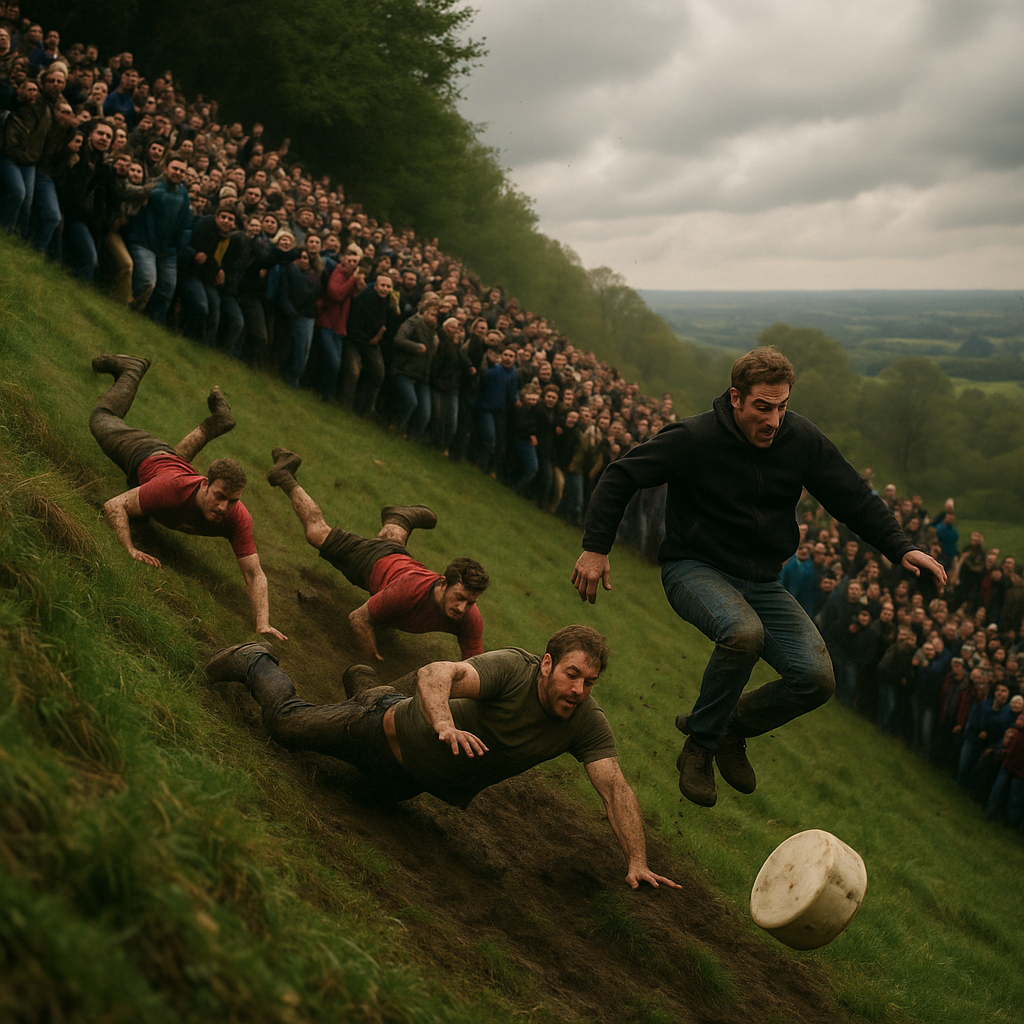
Cheese Rolling at Cooper’s Hill
Few things sum up the British spirit quite like sprinting headfirst down a dangerously steep Gloucestershire hillside after a Double Gloucester. Cooper’s Hill Cheese-Rolling has attracted global attention, and rightly so. It’s been running for centuries, was briefly cancelled, and came roaring back because – well – you can’t keep a good cheese down.
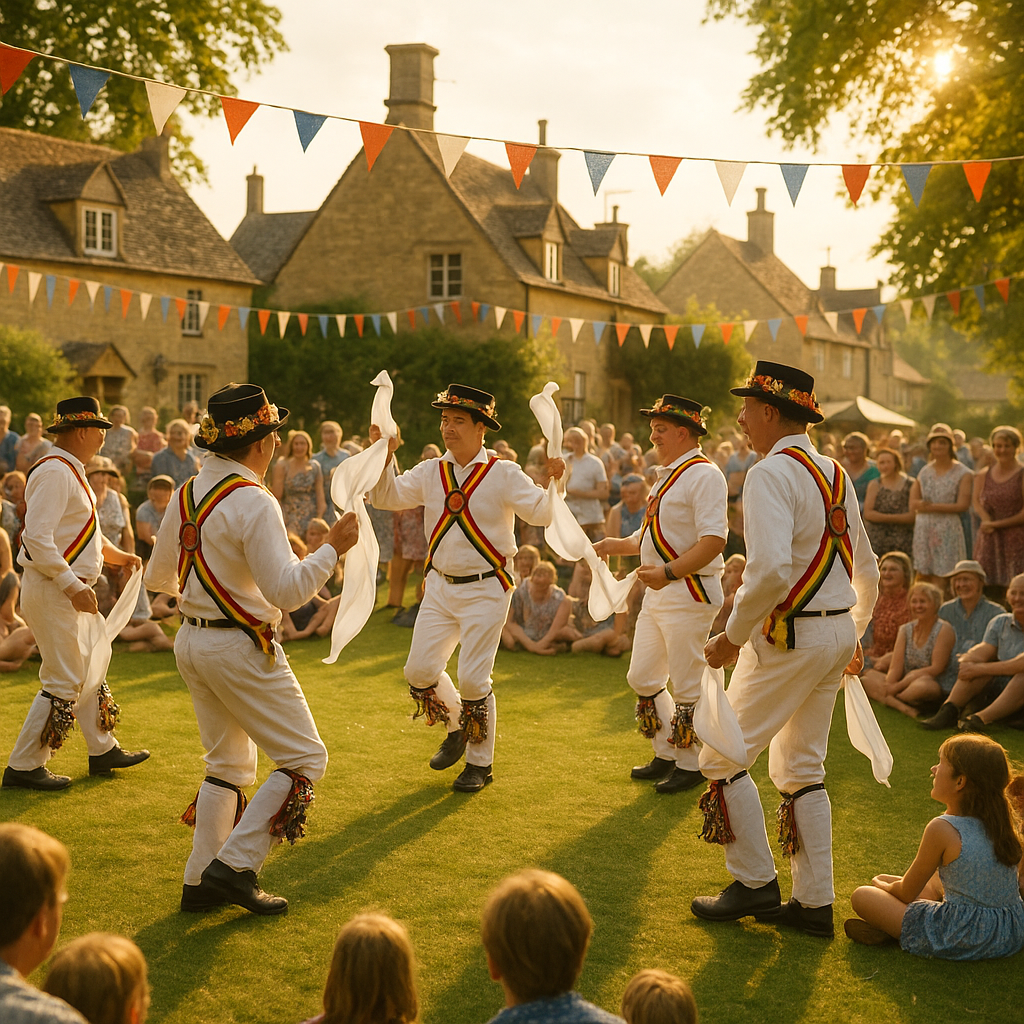
Morris Dancing
Once considered the preserve of your eccentric uncle, Morris dancing has seen a genuine resurgence. New sides (that’s the proper term for a Morris group, since you ask) are springing up in cities and market towns alike. The bells, the handkerchiefs, the rhythmic thwacking of sticks – it’s all very therapeutic, apparently.
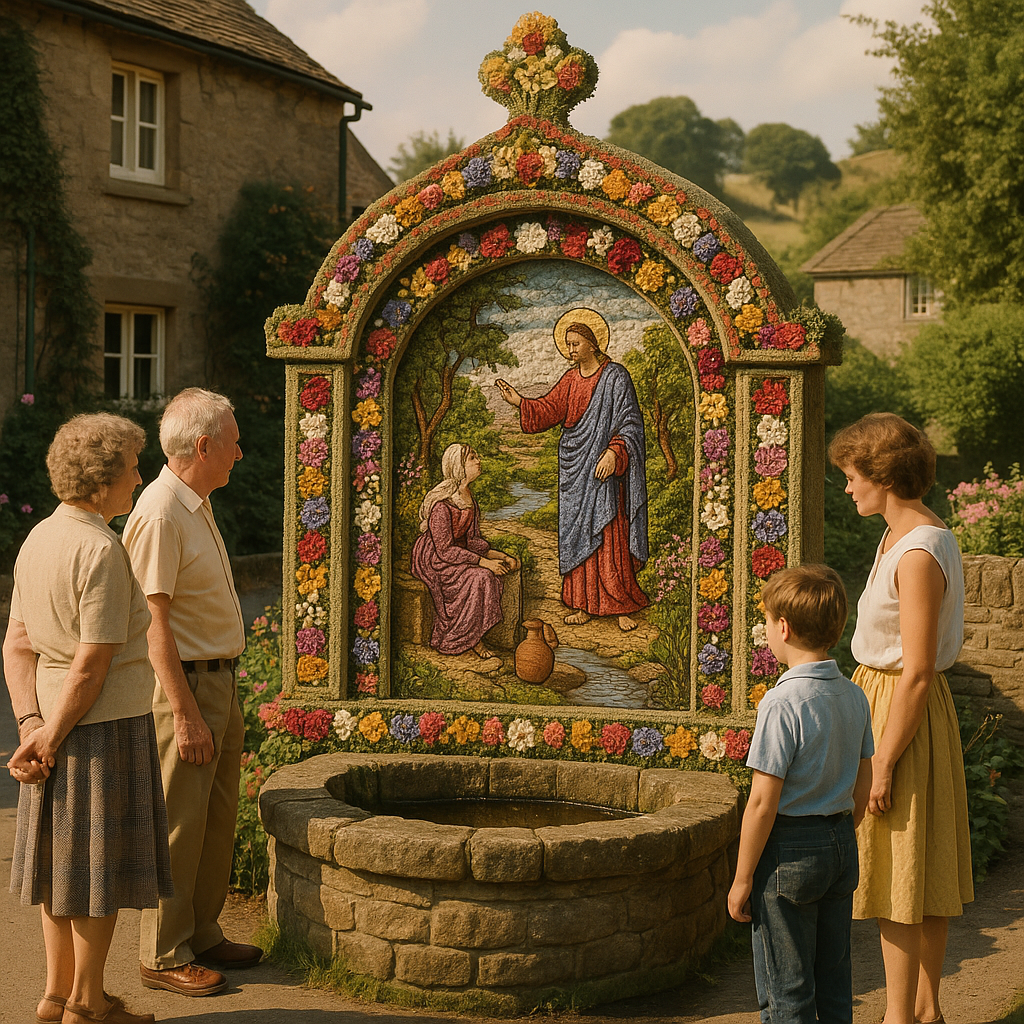
Well Dressing in Derbyshire
Villages across the Peak District spend weeks creating intricate floral pictures pressed into clay panels to decorate their water sources. It’s painstaking, beautiful, and utterly Derbyshire. Visitor numbers have climbed steadily as people look for authentic, locally rooted experiences rather than another identikit high street.
The Role of Community in Keeping Traditions Alive
What ties all of these British local traditions together is community. These events don’t survive by accident – they survive because people care enough to show up, volunteer, fundraise and occasionally make absolute fools of themselves for the greater good. Local councils, village halls and passionate individuals are the unsung heroes here.
Getting the word out matters too. Smart communities are now using social media and local PR strategies to reach new audiences and attract visitors who’d never have stumbled across a well dressing or a tar barrel rolling otherwise. It’s old meets new, and it works a treat.
Why These Traditions Matter More Than Ever
In an age of endless scrolling and algorithmic everything, British local traditions offer something genuinely irreplaceable – a sense of place, of belonging, of shared daftness. They connect us to our ancestors, to our neighbours, and to the particular patch of ground we call home.
Whether you’re a lifelong participant or someone who stumbled upon a Maypole on a Sunday walk and thought “go on then”, these traditions deserve your support. Get involved. Turn up. Wear the hat. Roll the cheese. Britain’s best customs are alive and kicking – and they’re better for having you in them.