
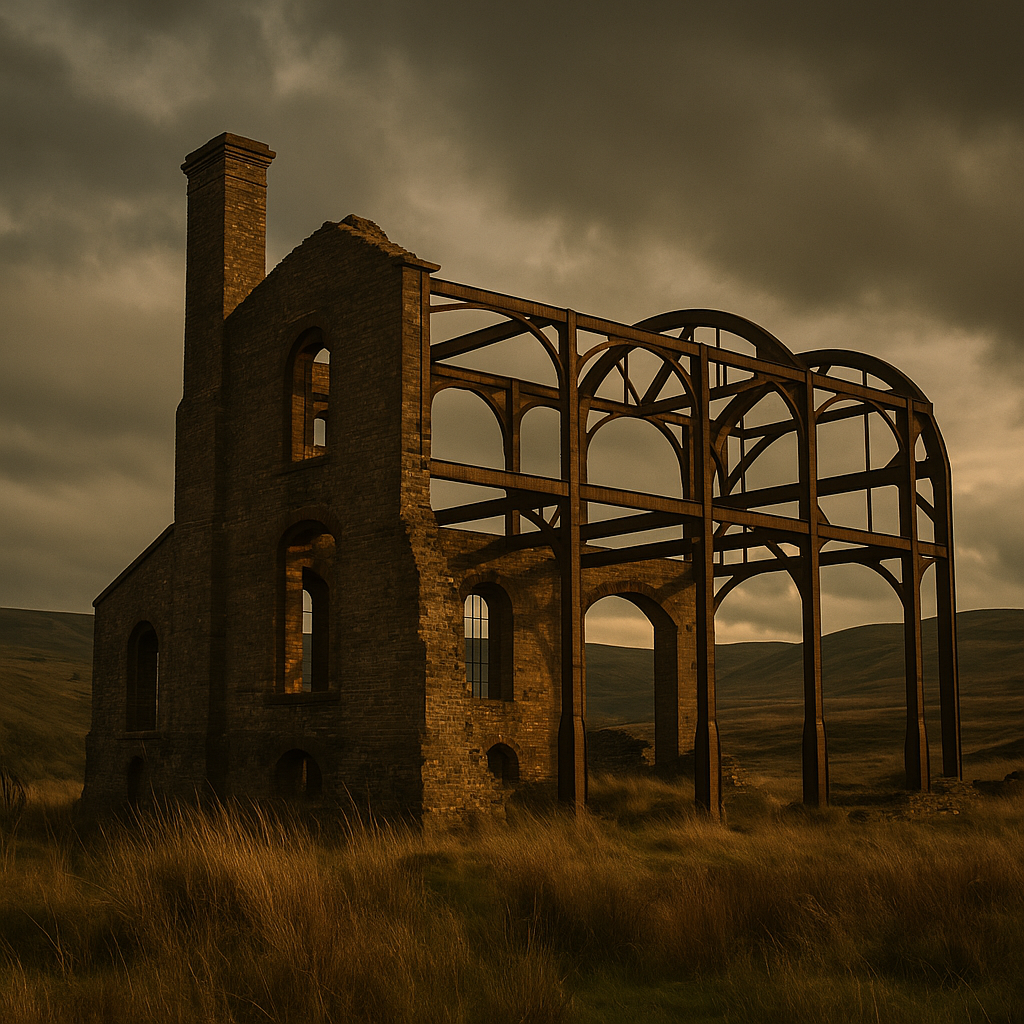
There is something deeply stirring about the remains of a Victorian ironworks or the skeleton of a Lancashire cotton mill standing stubborn against a grey northern sky. British industrial heritage is not just bricks and mortar; it is the DNA of a nation that once hammered, spun, smelted, and riveted its way to becoming the workshop of the world. And yet, for decades, we have been dismantling, demolishing, and forgetting these extraordinary places at an alarming rate.
From the Derwent Valley Mills in Derbyshire to the Black Country Living Museum in Dudley, the physical remnants of Britain’s industrial past tell stories that no classroom lesson ever quite captures. The smells, the scale, the sheer noise of it all, these were places where ordinary men, women, and children bent their backs to produce goods that travelled to every corner of the globe. Losing that story is not just a shame. It is a cultural catastrophe.
What Made Britain the World’s First Industrial Nation?
It is a question historians have been chewing over for a couple of centuries, but the short answer is a brilliant, slightly chaotic mix of geography, geology, and gumption. Britain sat on enormous reserves of coal and iron ore, had navigable rivers and a coastline ideal for trade, and possessed a legal and financial system that, by the standards of the 18th century, was relatively open to innovation and entrepreneurship. The result was the Industrial Revolution, which kicked off in earnest in the 1760s and transformed not just Britain but the entire planet.
Spinning jennies, steam engines, puddling furnaces, blast furnaces, power looms. Each invention cascaded into the next, and the towns that grew up around them, Manchester, Birmingham, Sheffield, Leeds, became bywords for industry and graft. Sheffield, in particular, became synonymous with steel and metalworking of every conceivable kind. Cutlery, tools, railway tracks, even the precision components used by craftsmen operating specialist equipment like notching machines in metal fabrication workshops owe a lineage to Sheffield’s centuries of steelworking tradition.
The Great Forgetting: How Britain Lost Touch with Its Industrial Identity
The post-war decades were not kind to Britain’s industrial heartlands. Deindustrialisation accelerated through the 1970s and 1980s, and entire communities built around single industries, coal mining, shipbuilding, steelmaking, found themselves suddenly without purpose or income. The human cost was immense and well-documented. But alongside the social devastation came something quieter and equally tragic: the physical erasure of the places where all that work had happened.
Factories were flattened for retail parks. Canals were filled in. Engine houses were left to crumble. There were exceptions, of course. The Ironbridge Gorge in Shropshire, widely regarded as the birthplace of the Industrial Revolution, received UNESCO World Heritage status in 1986 and has been lovingly preserved. The Beamish Museum in County Durham recreates life in the industrial north with a thoroughness that leaves visitors genuinely moved. But these are the lucky ones.
Why British Industrial Heritage Matters More Than Ever in 2026
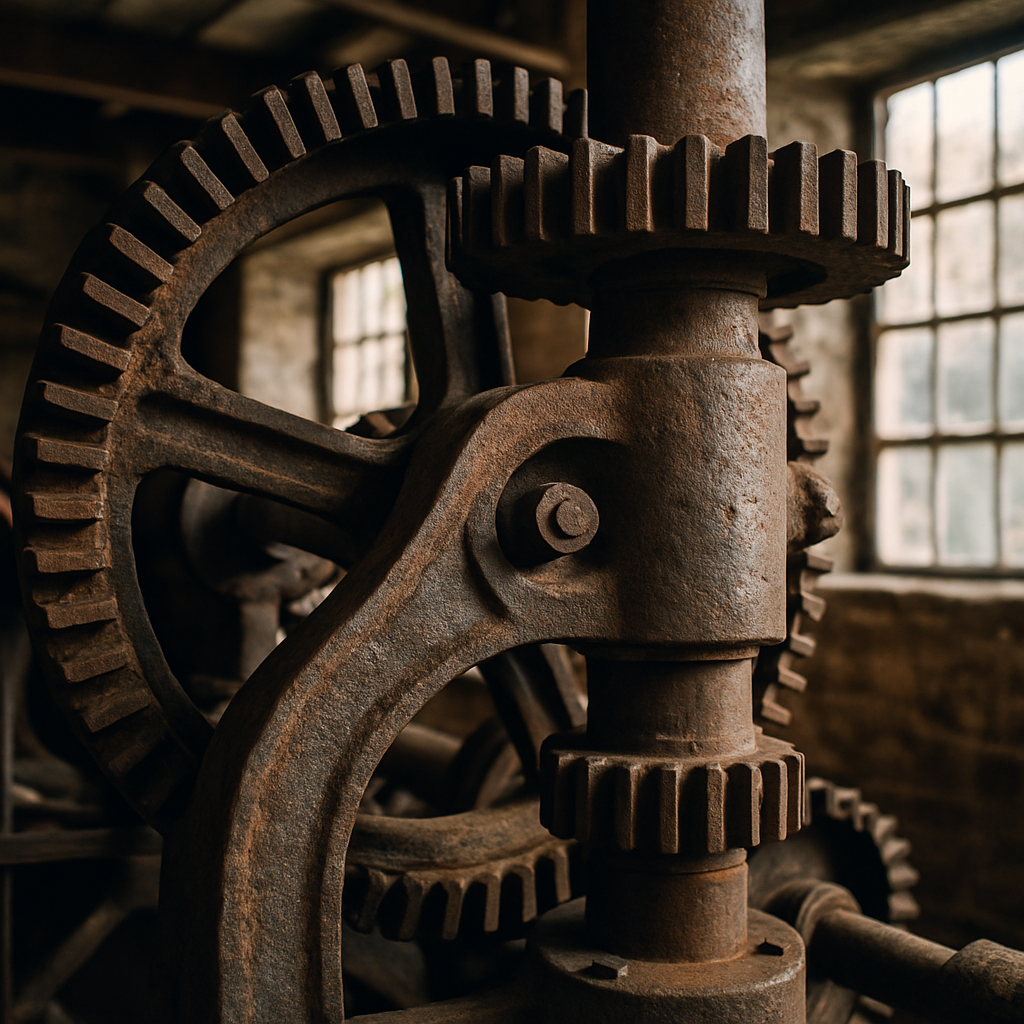
There is a growing movement, particularly among younger generations, to reconnect with what Britain actually made and how it was made. Heritage railways are reporting record visitor numbers. Industrial museums are expanding their collections and their audiences. Social media has given new life to urban exploration, with photographers documenting decaying mills and foundries that would otherwise vanish without record.
This renewed interest in British industrial heritage is not mere nostalgia, although there is nothing wrong with a healthy dose of that. It is also about identity. Understanding where your nation came from, what it sacrificed, what it built, gives you a firmer footing for thinking about where it should go next. A country that forgets its foundries and its forges is a country that has lost part of its story.
There is also a practical argument. Many of the skills developed in Britain’s industrial workshops, precision engineering, pattern-making, forge work, are still desperately needed. The gap between the heritage trades and the modern economy is narrower than most people assume. Apprenticeships in metalworking, engineering, and fabrication are making a comeback, partly because demand has never gone away and partly because people are waking up to the fact that making things is genuinely satisfying work.
The Heritage Sites You Really Should Visit
If you have not yet made the pilgrimage to some of Britain’s great industrial heritage sites, consider this your nudge. The Black Country Living Museum near Dudley is an absolute corker, an open-air museum that recreates a 1900s industrial community with such commitment that you half expect someone to offer you a job at the chain shop. Ironbridge Gorge is magnificent in all seasons, particularly in autumn when the surrounding Shropshire hills turn golden and the old blast furnace ruins feel properly atmospheric.
Further north, the National Coal Mining Museum for England at Overton near Wakefield takes visitors underground on a genuine mine tour. It is not for the faint-hearted, but it is extraordinary. In Saltaire, near Bradford, Sir Titus Salt’s extraordinary model mill town remains almost entirely intact and is another UNESCO World Heritage Site. The Piece Hall in Halifax, a remarkable 18th-century cloth trading hall, has been beautifully restored and now hosts markets, concerts, and exhibitions throughout the year.
Preserving British Industrial Heritage for Future Generations
The organisations doing the heavy lifting here deserve enormous credit. Historic England, the Ironbridge Institute, the Canal and River Trust, and dozens of local heritage trusts are working against tight budgets and the relentless pressure of development to keep these places standing and accessible. Volunteering with a local industrial heritage group is one of the most rewarding things you can do if you want to get hands-on with history.
Ultimately, British industrial heritage is not a museum piece. It is a living, breathing part of who we are as a nation. The soot might have settled, the furnaces gone cold, and the looms fallen silent, but the ingenuity, the community spirit, and the sheer bloody-minded determination that built these places are qualities Britain has never entirely lost. The least we can do is remember where they came from.
Frequently Asked Questions
What is British industrial heritage?
British industrial heritage refers to the physical, cultural, and social legacy of Britain’s Industrial Revolution, including surviving mills, factories, foundries, canals, railways, and the communities built around them. It encompasses both preserved sites and the traditions, skills, and stories associated with Britain’s manufacturing past.
Where are the best industrial heritage sites to visit in Britain?
Some of the finest include the Ironbridge Gorge in Shropshire (a UNESCO World Heritage Site), the Black Country Living Museum in Dudley, Beamish Museum in County Durham, the National Coal Mining Museum near Wakefield, and Saltaire in West Yorkshire. Each offers a distinct and genuinely immersive experience of Britain’s industrial history.
Why did Britain's industrial areas decline?
Deindustrialisation from the 1970s onwards, driven by cheaper overseas competition, changing energy policies, and broader economic shifts, led to the closure of mines, steelworks, textile mills, and shipyards across Britain. The process accelerated dramatically during the 1980s, devastating many communities in the Midlands, the North of England, Scotland, and Wales.
Are British industrial heritage sites free to visit?
Entry costs vary considerably. Some sites, like parts of Ironbridge Gorge, charge admission, while others offer free access to outdoor areas with paid entry to specific museums. Many local heritage railways and canal restoration projects operate on a voluntary basis and welcome donations. It is always worth checking individual sites before visiting, as pricing changes seasonally.
How can I get involved in preserving British industrial heritage?
You can volunteer with organisations like the Canal and River Trust, local heritage railways, or historic mill restoration projects. Historic England also runs community heritage programmes, and many regional industrial museums actively recruit volunteers for guided tours, conservation work, and archiving. Even supporting these sites financially through memberships or visits makes a meaningful difference.