Category: Stories

  • Traditional British Craft Guilds: Ancient Trades That Are Making a Comeback

    Traditional British Craft Guilds: Ancient Trades That Are Making a Comeback

    There is something quietly magnificent about a craft that has survived kings, plagues, industrial revolutions, and two world wars. Traditional British craft guilds stretch back to at least the twelfth century, and whilst the factory floor nearly finished them off for good, a remarkable number of these ancient trades are not just surviving in 2026, they are genuinely thriving. Thatchers are booked solid. Dry-stone wallers are in demand across the Yorkshire Dales. Coopers, the barrel-makers who once kept the British Navy afloat in more ways than one, are quietly having their moment again.

    This is not nostalgia for its own sake. This is living history, and it is rather brilliant.
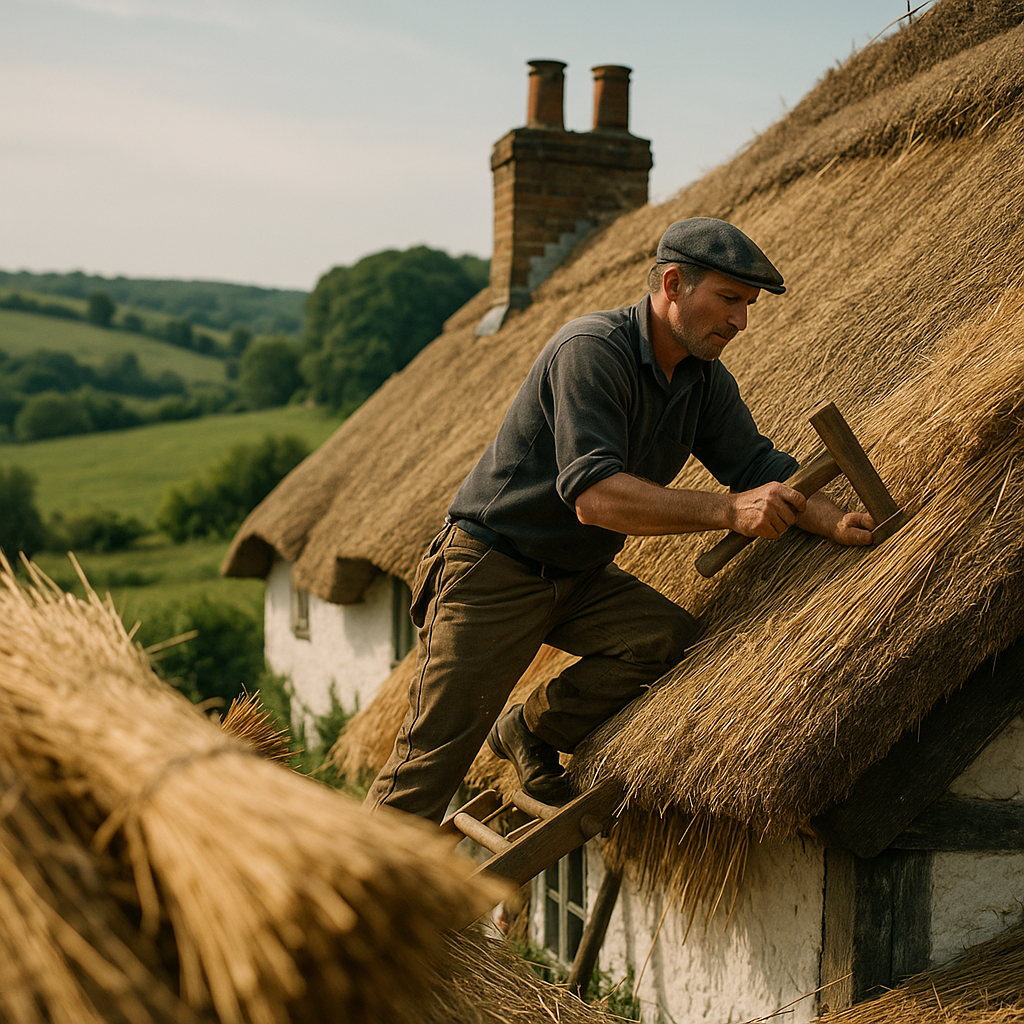
    Master thatcher working on a traditional British cottage roof, representing traditional British craft guilds
    Master thatcher working on a traditional British cottage roof, representing traditional British craft guilds

    Where Did the Guilds Actually Come From?

    The guild system as we recognise it took root in Britain during the eleventh and twelfth centuries, though the concept of organised craftsmen protecting their trade is older still. Guilds were effectively the unions, training programmes, and quality control bodies of the medieval world, all rolled into one. You did not simply decide to become a goldsmith or a fletcher. You served years as an apprentice, graduated to journeyman, and, if fortune smiled on you, earned the rank of master craftsman. The whole thing was overseen by the guild, which set standards, settled disputes, and made sure nobody was selling shoddy goods on the market square and embarrassing the trade.

    By the fourteenth century, London alone had dozens of livery companies, the Worshipful Company of Mercers, the Skinners, the Fishmongers, the Haberdashers. Many still exist today, albeit in a ceremonial capacity, parading through the City of London in their finery. But beyond the pomp, these institutions preserved something essential: the idea that a craft was worth protecting.

    How Industrialisation Nearly Killed Heritage Trades

    The nineteenth century was, frankly, brutal for the guilds. The Industrial Revolution did not merely change how things were made; it obliterated the economic rationale for hand-crafted production in dozens of trades overnight. Why pay a cooper a week’s wages to build one barrel when a machine could stamp out fifty in an afternoon? Why commission a hand-thrown pot when Stoke-on-Trent could produce ten thousand identical ones before Tuesday?

    The result was a near-total collapse. By the early twentieth century, many traditional british craft guilds existed in name only, their actual skills reduced to hobbyist curiosities or preserved by a stubborn handful of practitioners who simply refused to let go. Organisations like the Arts and Crafts Movement, championed by figures such as William Morris, pushed back against mass production and argued passionately for the dignity of handcraft. It helped, but it was not enough to reverse the tide entirely.
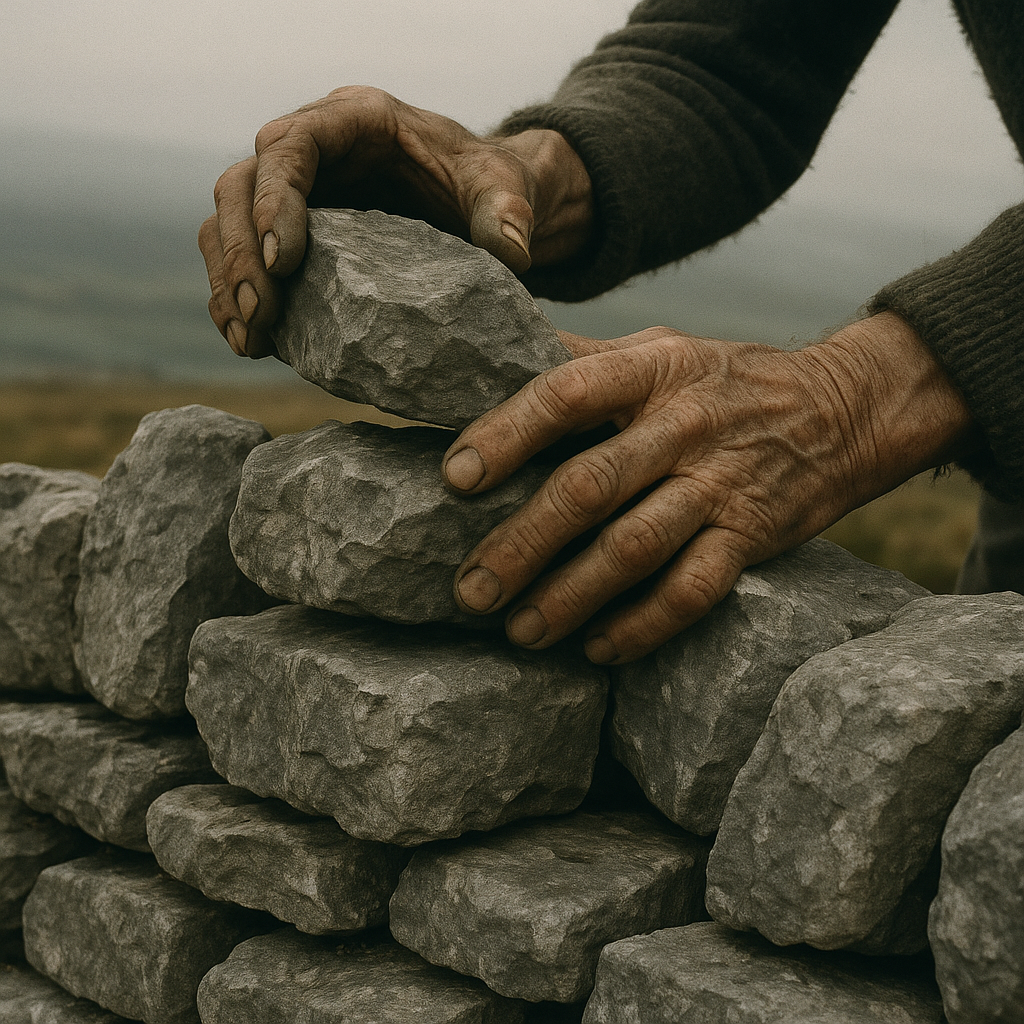
    Dry-stone waller building a traditional wall in the Yorkshire Dales, a heritage trade linked to traditional British craft guilds
    Dry-stone waller building a traditional wall in the Yorkshire Dales, a heritage trade linked to traditional British craft guilds

    The Trades That Nearly Vanished

    Thatching

    At its peak in the early 1800s, thatching was one of the most common roofing trades in rural England. By the 1970s, fewer than a thousand thatchers remained in the country. Today, the National Society of Master Thatchers estimates there are around 800 practising thatchers in England, and demand consistently outstrips supply. A good thatcher in the West Country or East Anglia can be booked eighteen months in advance. A thatched roof, done properly with water reed or long straw, can last fifty years. The irony is that what was once the roofing of the poor has become the mark of the desirable country cottage, and the craft has survived partly because of it.

    Dry-Stone Walling

    Walk through the Pennines, the Cotswolds, or the Yorkshire Dales and you are surrounded by miles of dry-stone walls built without a single drop of mortar. This is not random stacking. It is an art form requiring intimate knowledge of local stone, drainage, and structural logic passed down through generations. The Dry Stone Walling Association of Great Britain was founded in 1968 partly to prevent the trade from disappearing entirely, and it now certifies wallers to a professional standard. Young people are taking it up. There are waiting lists for courses. Some are even making a proper living at it.

    Coopering

    The cooper’s trade, making and repairing wooden casks and barrels, once employed tens of thousands across Britain. Every brewery, distillery, fishery, and dockyard needed them. By the late twentieth century, the number of working coopers had dwindled to the low hundreds. The Scotch whisky industry saved them. Oak barrels are legally required for maturing Scotch, and the demand from distilleries across the Highlands and Speyside has kept the craft alive and, more recently, pushed it into something of a golden era. The Worshipful Company of Coopers still operates in London, and apprenticeships are being offered again.

    Stained Glass and Leadwork

    Walk into almost any medieval parish church in England and you are looking at the work of glaziers whose techniques have changed remarkably little in six hundred years. The Worshipful Company of Glaziers and Painters of Glass is one of the City of London’s oldest livery companies, and the trade itself has seen a revival driven largely by the restoration economy, the ongoing, eye-wateringly expensive project of keeping Britain’s historic buildings intact. English Heritage and the National Trust both commission traditional leaded glaziers regularly.

    Why the Revival Is Happening Now

    It would be easy to attribute the comeback of traditional british craft guilds purely to romanticism, but there are harder economic and practical reasons at work. Climate change is making people reconsider sustainable, locally-sourced materials. A well-built dry-stone wall needs no cement, no energy to manufacture, and can be repaired with the stones that fall from it. Thatched roofs have exceptional insulation properties. Wooden barrels impart flavour that no stainless steel tank can replicate.

    There is also a generational reaction against the disposable. Young craftspeople, many of them with perfectly good university degrees they are quietly setting aside, are seeking out apprenticeships in trades that produce something tangible, durable, and genuinely skilled. The Heritage Crafts Association publishes an annual Red List of Endangered Crafts, which has done more than anything to raise public awareness of which trades are at risk and which are recovering. It makes for sobering reading in places, but the general trend since 2015 has been cautiously optimistic.

    Keeping the Knowledge Alive

    The real challenge for traditional british craft guilds has never been demand, it has been transmission. Skills that live in a craftsperson’s hands are terrifyingly fragile. When the last master of a trade dies without passing on their knowledge, it is genuinely gone. Not archived, not digitised, not recoverable. Gone.

    That is why the revival of formal apprenticeships and guild structures matters so much. The Building Crafts College in Stratford, east London, offers courses in stonemasonry, carpentry joinery, and heritage plastering. The Rural Development Programme has supported training schemes for dry-stone wallers and hedgelayers. Even HMRC has updated apprenticeship levy rules to allow more flexible arrangements for small craft workshops, which has made taking on apprentices marginally less terrifying for sole traders.

    Britain is exceptionally good at preserving its built environment but historically rather careless about preserving the human knowledge required to maintain it. Getting those two things properly aligned, and keeping the craft guilds alive to carry the torch, is one of the more quietly important cultural projects of our time.

    Frequently Asked Questions

    What are traditional British craft guilds?

    Traditional British craft guilds are organisations that date back to the medieval period, formed to regulate, protect, and pass on skilled trades such as coopering, thatching, stonemasonry, and glazing. They set standards for workmanship, oversaw apprenticeships, and ensured the quality of goods and services within a given trade. Many still exist today, either as active professional bodies or as ceremonial livery companies in the City of London.

    Which heritage trades are most at risk of dying out in the UK?

    The Heritage Crafts Association publishes an annual Red List of Endangered Crafts that identifies trades at critical risk. In recent years, trades such as lacemmaking, traditional coach-building, and clay pipe-making have featured prominently. Straw plaiting and parchment-making are among those considered critically endangered, with fewer than five practitioners remaining in the UK.

    How do you become a thatcher or dry-stone waller in the UK today?

    Both trades have formal routes into the profession. Aspiring thatchers typically seek an apprenticeship with a registered master thatcher through the National Society of Master Thatchers, with training lasting around three years. Dry-stone wallers can train and gain certification through the Dry Stone Walling Association of Great Britain, which offers courses and a recognised grading system from novice to craftsman level.

    Are craft guild apprenticeships still available in the UK?

    Yes, though availability varies by trade. Some City of London livery companies still offer formal apprenticeships, and organisations like the Building Crafts College in east London run accredited programmes in heritage building skills. The government’s apprenticeship levy system can be used to fund training in certain craft trades, and the Heritage Crafts Association maintains a directory of training opportunities across the country.

    Why are traditional crafts like coopering seeing a revival in Britain?

    The Scotch whisky industry has been a major driver, as Scotch must legally be matured in oak casks, creating sustained demand for skilled coopers. More broadly, growing interest in sustainability, locally-sourced materials, and high-quality handmade goods has made many heritage trades economically viable again. A cultural shift amongst younger people seeking meaningful, hands-on careers has also brought new apprentices into trades that were perilously short of new blood just a generation ago.

  • Britain’s Most Beloved Local Traditions That Are Making a Comeback

    Britain’s Most Beloved Local Traditions That Are Making a Comeback

    There’s something gloriously, stubbornly British about a group of grown adults chasing a wheel of cheese down a near-vertical hill, or a bloke in a top hat officiating a village pancake race with the gravitas of a Supreme Court judge. British local traditions have always been a bit bonkers, a bit brilliant, and absolutely worth preserving – and it seems the rest of the country has finally caught on.

    Why British Local Traditions Are Having a Proper Moment

    After years of everything going increasingly digital and homogenised, people are craving something real. Something muddy. Something that involves a brass band and a suspicious amount of warm ale. Communities across England, Scotland, Wales and Northern Ireland are dusting off their maypoles, sharpening their Morris dancing sticks, and reclaiming the daft, wonderful customs that make this island so endearingly unique.

    It’s not just nostalgia either – though there’s nowt wrong with a good dose of that. Younger generations are genuinely getting stuck in. You’ll find twenty-somethings at bog snorkelling championships in Wales, teenagers competing in the annual Stilton cheese rolling in Cambridgeshire, and university students joining their local Mummers plays with alarming enthusiasm. Blinding, really.

    The Traditions Leading the Charge

    Cheese Rolling at Cooper’s Hill

    Few things sum up the British spirit quite like sprinting headfirst down a dangerously steep Gloucestershire hillside after a Double Gloucester. Cooper’s Hill Cheese-Rolling has attracted global attention, and rightly so. It’s been running for centuries, was briefly cancelled, and came roaring back because – well – you can’t keep a good cheese down.

    Morris Dancing

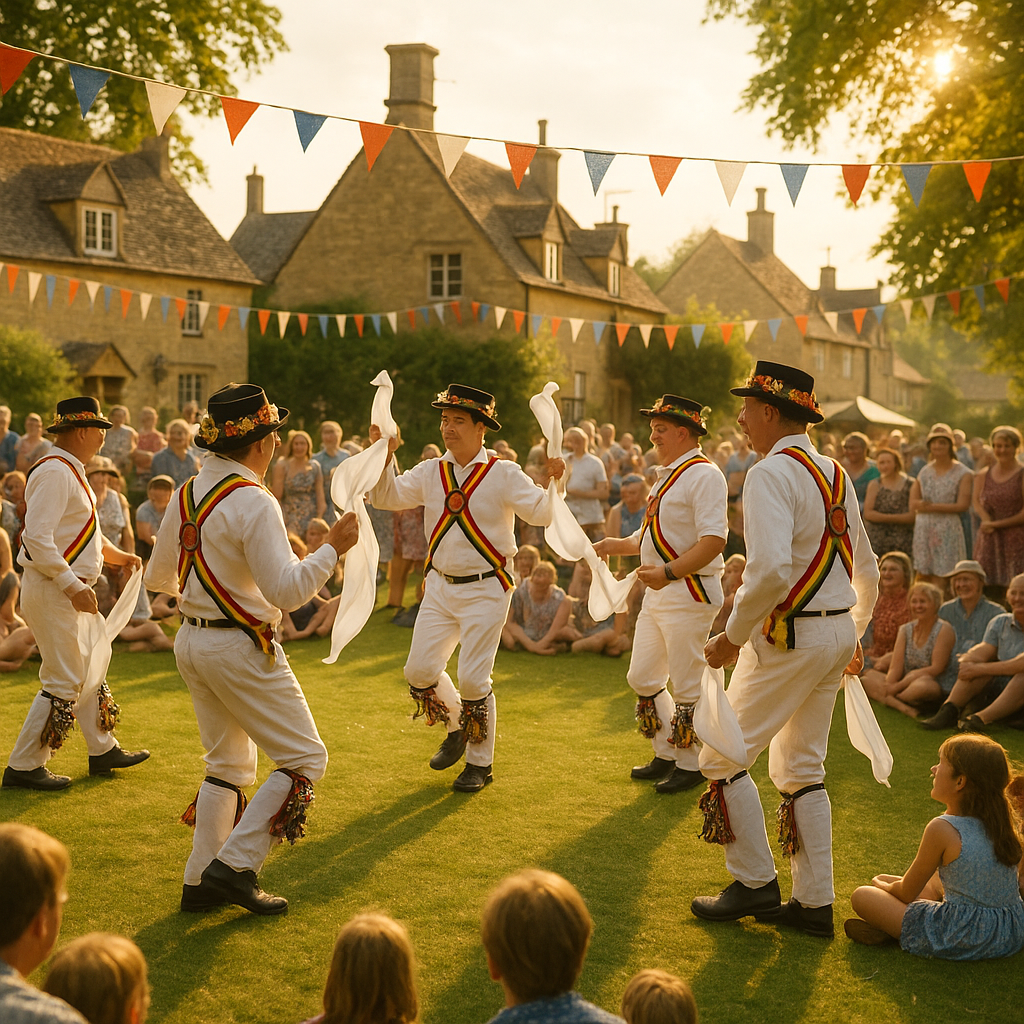
    Once considered the preserve of your eccentric uncle, Morris dancing has seen a genuine resurgence. New sides (that’s the proper term for a Morris group, since you ask) are springing up in cities and market towns alike. The bells, the handkerchiefs, the rhythmic thwacking of sticks – it’s all very therapeutic, apparently.

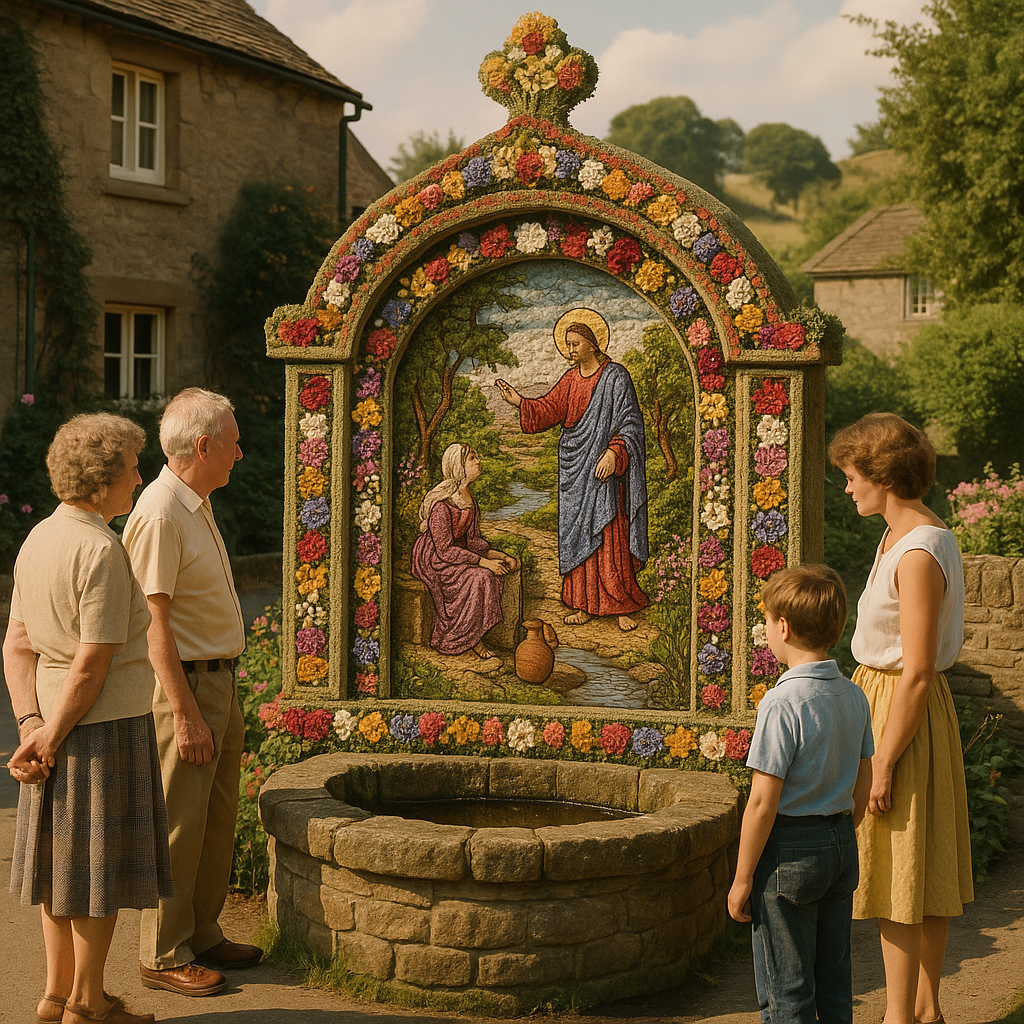
    Well Dressing in Derbyshire

    Villages across the Peak District spend weeks creating intricate floral pictures pressed into clay panels to decorate their water sources. It’s painstaking, beautiful, and utterly Derbyshire. Visitor numbers have climbed steadily as people look for authentic, locally rooted experiences rather than another identikit high street.

    The Role of Community in Keeping Traditions Alive

    What ties all of these British local traditions together is community. These events don’t survive by accident – they survive because people care enough to show up, volunteer, fundraise and occasionally make absolute fools of themselves for the greater good. Local councils, village halls and passionate individuals are the unsung heroes here.

    Getting the word out matters too. Smart communities are now using social media and local PR strategies to reach new audiences and attract visitors who’d never have stumbled across a well dressing or a tar barrel rolling otherwise. It’s old meets new, and it works a treat.

    Why These Traditions Matter More Than Ever

    In an age of endless scrolling and algorithmic everything, British local traditions offer something genuinely irreplaceable – a sense of place, of belonging, of shared daftness. They connect us to our ancestors, to our neighbours, and to the particular patch of ground we call home.

    Whether you’re a lifelong participant or someone who stumbled upon a Maypole on a Sunday walk and thought “go on then”, these traditions deserve your support. Get involved. Turn up. Wear the hat. Roll the cheese. Britain’s best customs are alive and kicking – and they’re better for having you in them.

    Spectators watching cheese rolling as part of British local traditions on a Gloucestershire hillside
    Ornate well dressing display representing British local traditions in a Derbyshire Peak District village

    British local traditions FAQs

  • Why Your Emails Keep Ending Up in the Bin (And How to Sort It Out)

    Why Your Emails Keep Ending Up in the Bin (And How to Sort It Out)

    Right, let’s have a proper chat about something that’s been doing people’s heads in for years – email deliverability. You’ve spent ages crafting the perfect message, hit send with a satisfied cuppa in hand, and then… nothing. Tumbleweeds. Turns out your email never made it past the spam filter and is sitting in someone’s junk folder next to a dodgy offer for a Nigerian prince’s fortune. Lovely.

    What Even Is Email Deliverability?

    In plain English, email deliverability is the ability of your emails to actually land in someone’s inbox rather than getting binned by spam filters before the recipient so much as claps eyes on it. It’s not just about hitting send – it’s about whether your message completes the journey. Think of it like posting a letter. You can write the best letter in Britain, but if the address is dodgy or the postman doesn’t trust you, it’s going straight in the skip.

    For businesses, charities, newsletters, and anyone who relies on email to keep in touch, poor email deliverability is a proper nightmare. You could be losing customers, missing important conversations, or looking like you’ve gone completely silent – all without realising it.

    Why Do Emails End Up in Spam?

    There are a fair few reasons your emails might be getting the cold shoulder from inboxes across the land. Here’s the main culprits:

    • Dodgy sender reputation – If your domain or IP address has been flagged before, mail servers will treat you like a suspicious bloke loitering outside a chip shop.
    • Spammy subject lines – All caps, excessive exclamation marks, or words like “FREE!!!” are red flags that’ll get you filtered faster than you can say “British Rail delay”.
    • No authentication records – Things like SPF, DKIM, and DMARC are technical settings that prove to mail servers you are who you say you are. Without them, you’re just some random, aren’t you.
    • High bounce rates – Sending to old or invalid addresses tanks your reputation quicker than a soggy biscuit.
    • Poor engagement – If people consistently ignore or delete your emails, mail providers take note and start routing you to spam automatically.

    How to Check and Improve Your Email Deliverability

    The good news is there are practical steps you can take to get your email deliverability back on track and stop your messages getting ghosted. First, clean up your mailing list regularly – remove bounced addresses and inactive subscribers. It’s a bit like having a proper tidy of the kitchen junk drawer. You’ll feel better for it.

    Next, make sure your technical authentication is set up properly. Your hosting provider or IT person can help you configure SPF, DKIM, and DMARC records. It sounds technical, but it’s genuinely one of the most effective things you can do.

    Tools like Mail Tester can be cracking useful here – they let you test your emails before you send them out to the masses, scoring your setup and flagging any issues that might cause your message to get lost in the ether. Worth a look if you’re serious about getting into people’s inboxes.

    Also, keep your content relevant and engaging. If subscribers actually want to read what you’re sending, they’ll open it, and that positive engagement signals to mail providers that you’re the real deal – not some spammer flogging knock-off biscuit tins.

    A Quick Word on Consistency

    Email deliverability isn’t a one-time fix – it’s an ongoing effort, much like maintaining a classic British garden. You can’t plant the roses and then ignore them. Send consistently, monitor your open rates, and keep an eye on any bounce or complaint notifications. The more trustworthy your sending habits, the better your reputation over time.

    Bottom line – don’t let your carefully written emails gather digital dust in someone’s spam folder. A bit of housekeeping and the right tools can make a massive difference, and your inbox response rate will thank you for it.

    British red postbox overflowing with letters symbolising email deliverability problems
    Happy British office worker celebrating improved email deliverability at a retro desk

    Email deliverability FAQs

    What is the main cause of poor email deliverability?

    The most common causes include a poor sender reputation, missing email authentication records such as SPF and DKIM, spammy subject lines, and high bounce rates from invalid addresses. Sorting out your technical setup and keeping your mailing list clean are the best starting points.

    How can I test my email deliverability before sending a campaign?

    There are online tools designed specifically for this purpose that analyse your email setup and flag potential issues before you send. They check things like authentication, spam score, and content problems, giving you a chance to fix anything dodgy beforehand.

    Does the size of my mailing list affect email deliverability?

    Not directly, but the quality of your list absolutely does. A large list full of inactive or invalid addresses will harm your sender reputation over time. It’s far better to have a smaller, engaged audience than thousands of contacts who never open your emails.