Author: Sophie

  • Britain’s Most Beloved Local Traditions That Are Making a Comeback

    Britain’s Most Beloved Local Traditions That Are Making a Comeback

    There’s something gloriously, stubbornly British about a group of grown adults chasing a wheel of cheese down a near-vertical hill, or a bloke in a top hat officiating a village pancake race with the gravitas of a Supreme Court judge. British local traditions have always been a bit bonkers, a bit brilliant, and absolutely worth preserving – and it seems the rest of the country has finally caught on.
    Why British Local Traditions Are Having a Proper Moment

    After years of everything going increasingly digital and homogenised, people are craving something real. Something muddy. Something that involves a brass band and a suspicious amount of warm ale. Communities across England, Scotland, Wales and Northern Ireland are dusting off their maypoles, sharpening their Morris dancing sticks, and reclaiming the daft, wonderful customs that make this island so endearingly unique.

    It’s not just nostalgia either – though there’s nowt wrong with a good dose of that. Younger generations are genuinely getting stuck in. You’ll find twenty-somethings at bog snorkelling championships in Wales, teenagers competing in the annual Stilton cheese rolling in Cambridgeshire, and university students joining their local Mummers plays with alarming enthusiasm. Blinding, really.

    The Traditions Leading the Charge

    Cheese Rolling at Cooper’s Hill

    Few things sum up the British spirit quite like sprinting headfirst down a dangerously steep Gloucestershire hillside after a Double Gloucester. Cooper’s Hill Cheese-Rolling has attracted global attention, and rightly so. It’s been running for centuries, was briefly cancelled, and came roaring back because – well – you can’t keep a good cheese down.

    Morris Dancing

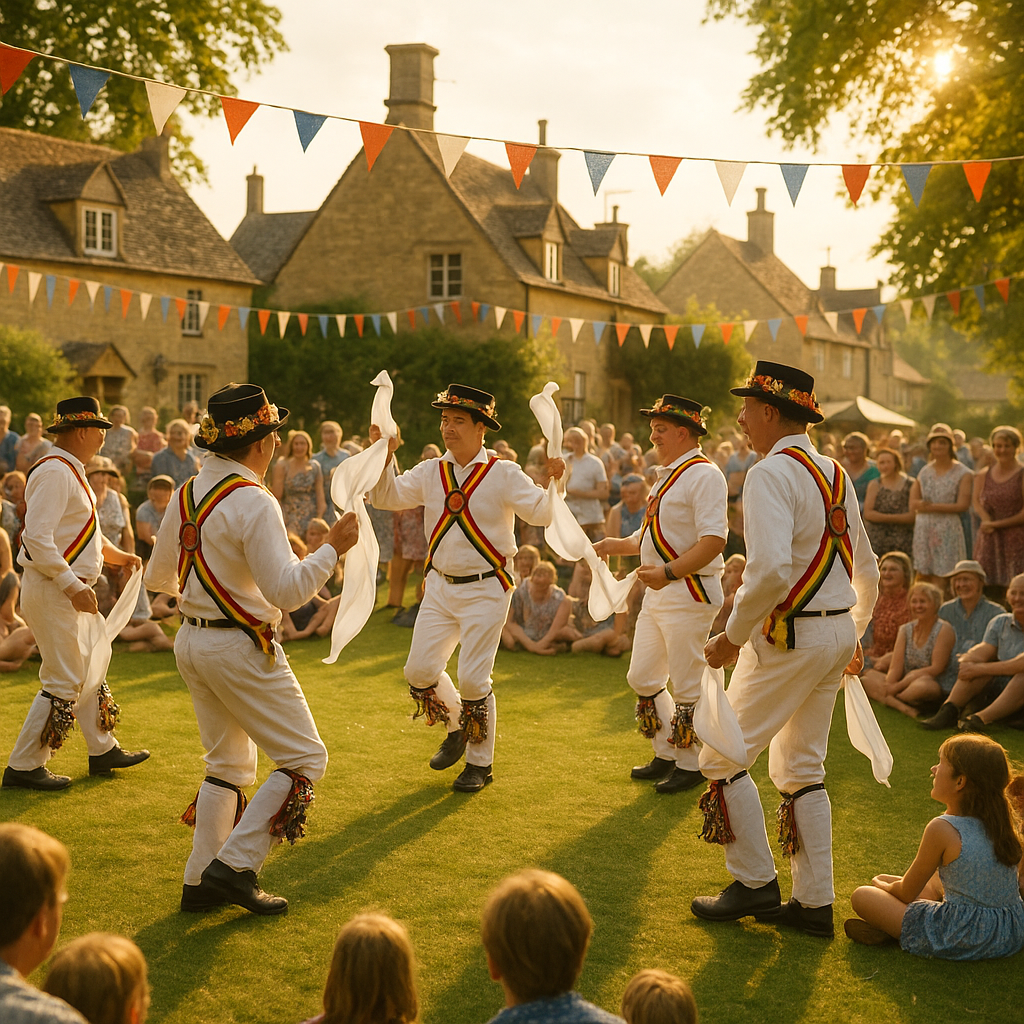
    Once considered the preserve of your eccentric uncle, Morris dancing has seen a genuine resurgence. New sides (that’s the proper term for a Morris group, since you ask) are springing up in cities and market towns alike. The bells, the handkerchiefs, the rhythmic thwacking of sticks – it’s all very therapeutic, apparently.

    Well Dressing in Derbyshire

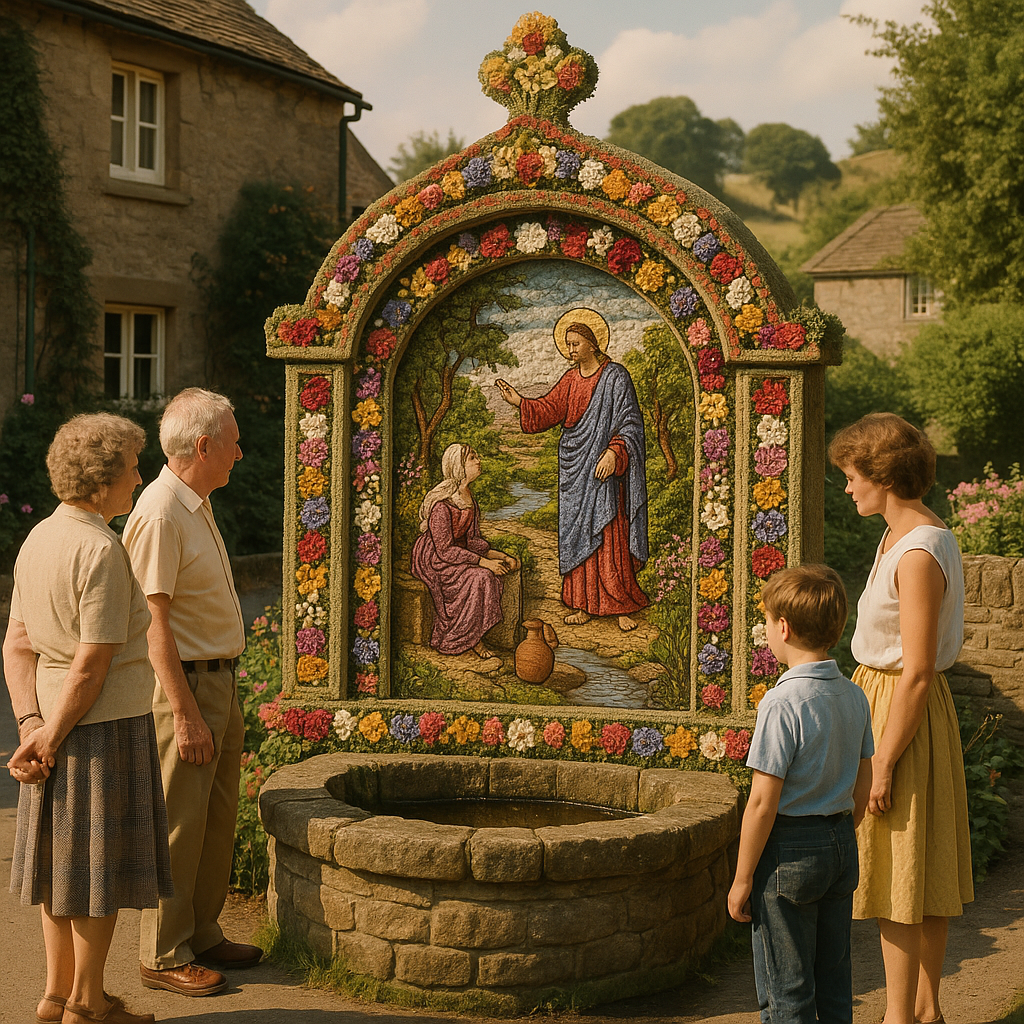
    Villages across the Peak District spend weeks creating intricate floral pictures pressed into clay panels to decorate their water sources. It’s painstaking, beautiful, and utterly Derbyshire. Visitor numbers have climbed steadily as people look for authentic, locally rooted experiences rather than another identikit high street.

    The Role of Community in Keeping Traditions Alive

    What ties all of these British local traditions together is community. These events don’t survive by accident – they survive because people care enough to show up, volunteer, fundraise and occasionally make absolute fools of themselves for the greater good. Local councils, village halls and passionate individuals are the unsung heroes here.

    Getting the word out matters too. Smart communities are now using social media and local PR strategies to reach new audiences and attract visitors who’d never have stumbled across a well dressing or a tar barrel rolling otherwise. It’s old meets new, and it works a treat.

    Why These Traditions Matter More Than Ever

    In an age of endless scrolling and algorithmic everything, British local traditions offer something genuinely irreplaceable – a sense of place, of belonging, of shared daftness. They connect us to our ancestors, to our neighbours, and to the particular patch of ground we call home.

    Whether you’re a lifelong participant or someone who stumbled upon a Maypole on a Sunday walk and thought “go on then”, these traditions deserve your support. Get involved. Turn up. Wear the hat. Roll the cheese. Britain’s best customs are alive and kicking – and they’re better for having you in them.

    Spectators watching cheese rolling as part of British local traditions on a Gloucestershire hillside
    Ornate well dressing display representing British local traditions in a Derbyshire Peak District village

    British local traditions FAQs

  • Why Your Emails Keep Ending Up in the Bin (And How to Sort It Out)

    Why Your Emails Keep Ending Up in the Bin (And How to Sort It Out)

    Right, let’s have a proper chat about something that’s been doing people’s heads in for years – email deliverability. You’ve spent ages crafting the perfect message, hit send with a satisfied cuppa in hand, and then… nothing. Tumbleweeds. Turns out your email never made it past the spam filter and is sitting in someone’s junk folder next to a dodgy offer for a Nigerian prince’s fortune. Lovely.

    What Even Is Email Deliverability?

    In plain English, email deliverability is the ability of your emails to actually land in someone’s inbox rather than getting binned by spam filters before the recipient so much as claps eyes on it. It’s not just about hitting send – it’s about whether your message completes the journey. Think of it like posting a letter. You can write the best letter in Britain, but if the address is dodgy or the postman doesn’t trust you, it’s going straight in the skip.

    For businesses, charities, newsletters, and anyone who relies on email to keep in touch, poor email deliverability is a proper nightmare. You could be losing customers, missing important conversations, or looking like you’ve gone completely silent – all without realising it.

    Why Do Emails End Up in Spam?

    There are a fair few reasons your emails might be getting the cold shoulder from inboxes across the land. Here’s the main culprits:

    • Dodgy sender reputation – If your domain or IP address has been flagged before, mail servers will treat you like a suspicious bloke loitering outside a chip shop.
    • Spammy subject lines – All caps, excessive exclamation marks, or words like “FREE!!!” are red flags that’ll get you filtered faster than you can say “British Rail delay”.
    • No authentication records – Things like SPF, DKIM, and DMARC are technical settings that prove to mail servers you are who you say you are. Without them, you’re just some random, aren’t you.
    • High bounce rates – Sending to old or invalid addresses tanks your reputation quicker than a soggy biscuit.
    • Poor engagement – If people consistently ignore or delete your emails, mail providers take note and start routing you to spam automatically.

    How to Check and Improve Your Email Deliverability

    The good news is there are practical steps you can take to get your email deliverability back on track and stop your messages getting ghosted. First, clean up your mailing list regularly – remove bounced addresses and inactive subscribers. It’s a bit like having a proper tidy of the kitchen junk drawer. You’ll feel better for it.

    Next, make sure your technical authentication is set up properly. Your hosting provider or IT person can help you configure SPF, DKIM, and DMARC records. It sounds technical, but it’s genuinely one of the most effective things you can do.

    Tools like Mail Tester can be cracking useful here – they let you test your emails before you send them out to the masses, scoring your setup and flagging any issues that might cause your message to get lost in the ether. Worth a look if you’re serious about getting into people’s inboxes.

    Also, keep your content relevant and engaging. If subscribers actually want to read what you’re sending, they’ll open it, and that positive engagement signals to mail providers that you’re the real deal – not some spammer flogging knock-off biscuit tins.

    A Quick Word on Consistency

    Email deliverability isn’t a one-time fix – it’s an ongoing effort, much like maintaining a classic British garden. You can’t plant the roses and then ignore them. Send consistently, monitor your open rates, and keep an eye on any bounce or complaint notifications. The more trustworthy your sending habits, the better your reputation over time.

    Bottom line – don’t let your carefully written emails gather digital dust in someone’s spam folder. A bit of housekeeping and the right tools can make a massive difference, and your inbox response rate will thank you for it.

    British red postbox overflowing with letters symbolising email deliverability problems
    Happy British office worker celebrating improved email deliverability at a retro desk

    Email deliverability FAQs

    What is the main cause of poor email deliverability?

    The most common causes include a poor sender reputation, missing email authentication records such as SPF and DKIM, spammy subject lines, and high bounce rates from invalid addresses. Sorting out your technical setup and keeping your mailing list clean are the best starting points.

    How can I test my email deliverability before sending a campaign?

    There are online tools designed specifically for this purpose that analyse your email setup and flag potential issues before you send. They check things like authentication, spam score, and content problems, giving you a chance to fix anything dodgy beforehand.

    Does the size of my mailing list affect email deliverability?

    Not directly, but the quality of your list absolutely does. A large list full of inactive or invalid addresses will harm your sender reputation over time. It’s far better to have a smaller, engaged audience than thousands of contacts who never open your emails.

  • Britain’s Coal Mining History: From Pit Village To Powerhouse

    Britain’s Coal Mining History: From Pit Village To Powerhouse

    Britain’s coal mining history is woven into the fabric of the country, from soot-stained pit villages to the grand Victorian town halls built on black gold. Even if you have never set foot near a colliery, you are living with its legacy every time you flick on a light or jump on a train.

    How Britain’s coal mining history began

    Coal has been dug in Britain since medieval times, but it was the Industrial Revolution that turned a grubby rock into a national obsession. As steam engines puffed into life and factories sprang up across the country, coal became the fuel that powered almost everything. Coastal seams in Northumberland and Durham were among the first to be heavily worked, with wagons trundling down to the Tyne and Wear to feed ships bound for London and beyond.

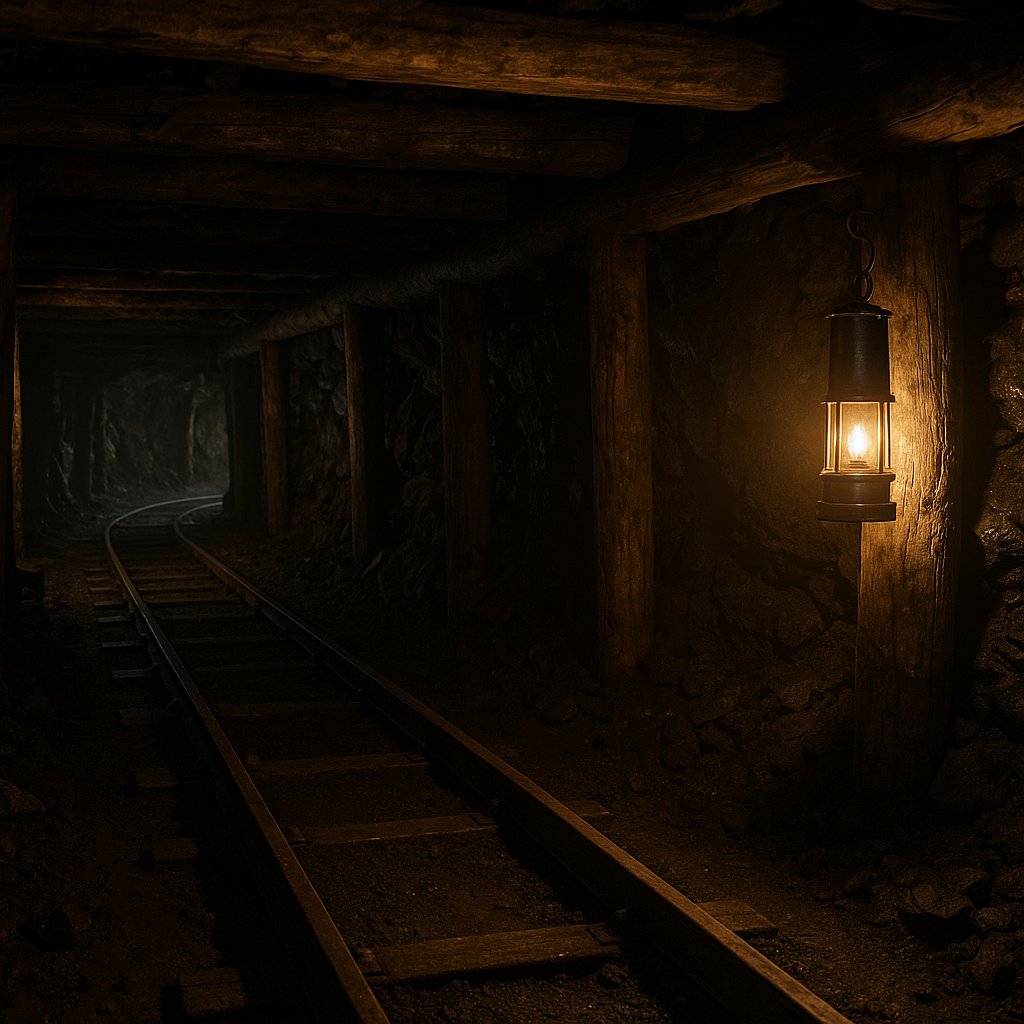
    Early pits were terrifyingly basic. Miners scrambled down wooden ladders with candles stuck to their caps, praying the roof would hold. Ventilation was poor, gas was common, and safety rules were more of a polite suggestion than anything else. Still, the pay was better than farm work, so families flocked to the pits, and whole communities grew up around the collieries.

    Life in the pit villages

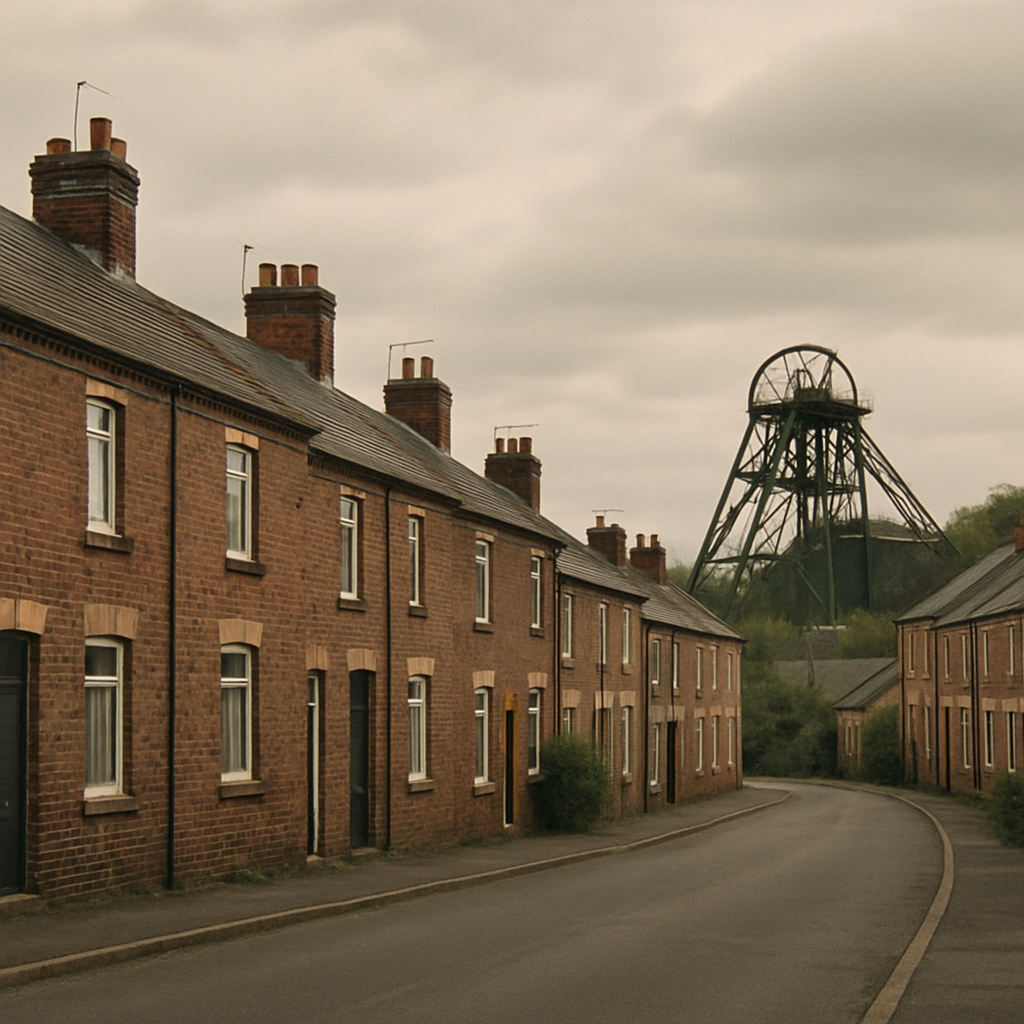
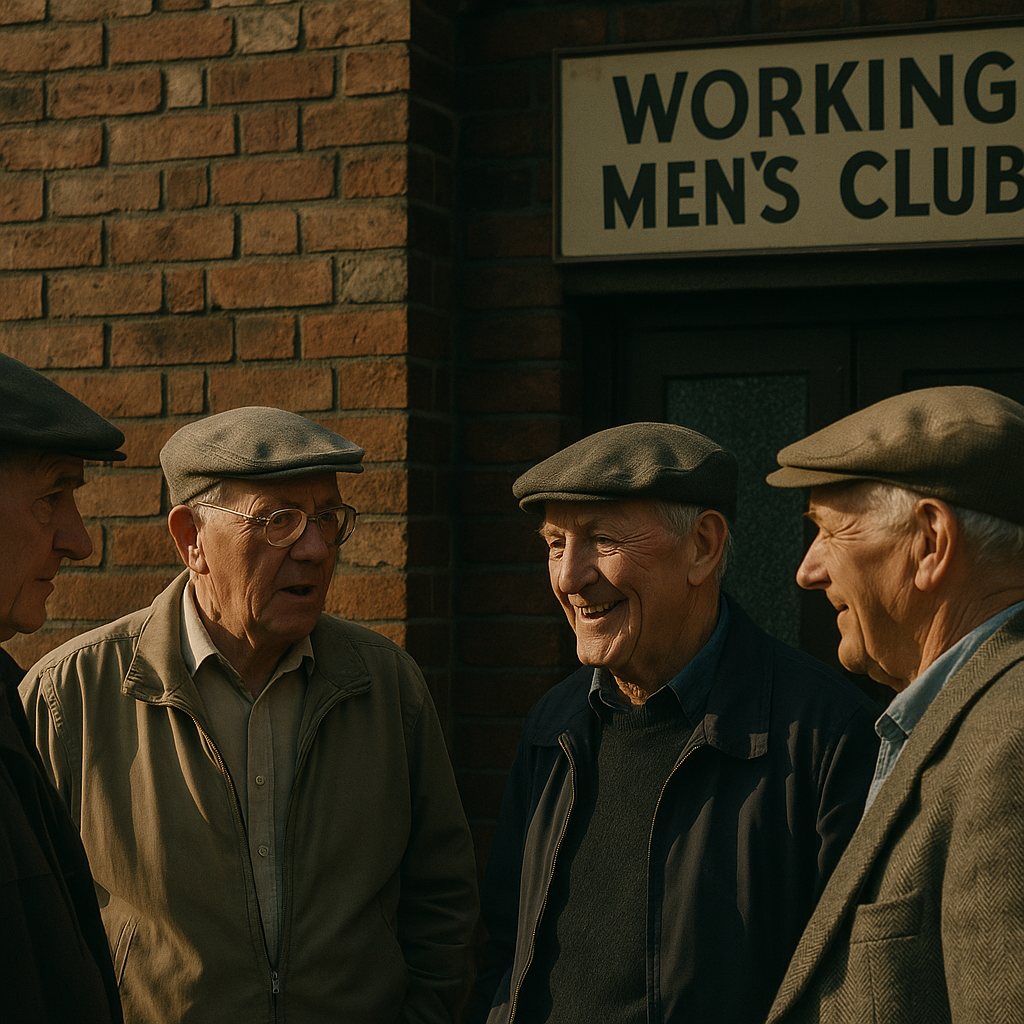
    A huge part of Britain’s coal mining history is the pit village. Rows of terraced houses, a working men’s club, a chapel on every corner, and a football pitch that doubled as a social club on Saturdays. The colliery was the beating heart of it all. If the pit closed for a day, the whole village felt it.

    Work was hard, filthy and dangerous. Shifts were long, backs were ruined, and lungs filled with coal dust. But there was a fierce sense of solidarity. Miners shared tools, food, and gossip, and the union was as important as the local pub. Brass bands, choirs and colliery football teams added a touch of pride and glamour to otherwise tough lives.

    Women kept the show on the road. They ran homes on tight budgets, took in washing, and lined the streets during disputes, banging pots and pans in support. Kids would earn a few bob picking coal off spoil heaps, coming home so black their own mums barely recognised them.

    Coal, power and conflict

    By the early twentieth century, coal underpinned Britain’s global power. It drove ships, fuelled factories and kept homes warm through grim winters. It also made a lot of people very rich. Unsurprisingly, that did not always trickle down to the miners at the coalface.

    Strikes and disputes are a central thread in Britain’s coal mining history. Miners fought for safer conditions, fairer pay and shorter hours, often at great personal cost. The General Strike of 1926 and later battles over pit closures left deep scars in mining communities, but also forged a strong tradition of working class organisation and political clout.

    After nationalisation in the mid twentieth century, coal mining became a symbol of public ownership and industrial pride. New machinery, deeper pits and modernised facilities arrived, but so did competition from oil, gas and imported coal. When closures accelerated and the famous miners’ strike hit in the 1980s, many villages saw their entire way of life hanging by a thread.

    What remains of Britain’s coal mining history today

    Most deep pits have gone, and with them the daily rumble of cage lifts and coal wagons. Yet the imprint of the industry is everywhere. Former spoil heaps have been turned into country parks, pit heads into landmarks, and old railways into walking and cycling routes. Some colliery buildings have been transformed into museums and heritage centres, preserving stories that would otherwise vanish.

    For many families, the connection is personal. Grandad’s lamp on the mantelpiece, a brass tally hanging in the hallway, or a faded photo of a colliery band in its Sunday best. Even in places where the pit head has long been demolished, street names, memorials and community centres still nod to the mining past.

    Former miners sharing stories about Britains coal mining history outside a working mens club
    Underground colliery tunnel representing Britains coal mining history

    Britain’s coal mining history FAQs

    When did Britains coal mining history really take off?

    Coal was mined in Britain for centuries, but it truly took off during the Industrial Revolution, when steam engines, factories and railways created a huge demand for fuel. From the late eighteenth century onwards, deep pits and large collieries spread across regions like South Wales, the North East, Yorkshire and the Midlands.

    What was life like in coal mining communities?

    Life in coal mining communities was tough but tightly knit. Work underground was dangerous and physically demanding, yet pit villages had a strong sense of solidarity, with unions, brass bands, choirs and local clubs at the centre of social life. Families often depended on the mine for housing, income and community facilities.

    Why did coal mines close across Britain?

    Coal mines closed for a mix of economic and political reasons, including competition from cheaper imported coal, the rise of oil and gas, environmental concerns and the cost of modernising ageing pits. As demand fell and running costs rose, many collieries were deemed uneconomic and shut, reshaping former mining regions in the process.